
15 Best Soccer Books
The best soccer books, ranked by how many expert sources recommend each one, with notes for choosing tactical history, fan memoirs, reporting, and fiction.
Our take
Soccer books explain more than what happens between kickoff and the final whistle. They explore how teams play, why supporters care, how money shapes competition, and what clubs mean to their communities. These choices suit fans looking for a deeper understanding as well as readers interested in politics, culture, and personal obsession through sport. Most focus on the men's game and particular historical periods.
Inverting The Pyramid follows tactical ideas across countries, while The Mixer concentrates on the Premier League. Soccernomics tests familiar assumptions through economics and data. For the feeling of being a fan, try Fever Pitch; for a season spent close to a team, choose The Miracle of Castel di Sangro. The Ball is Round offers the broadest historical commitment, and Soccer in Sun and Shadow works in short literary pieces. Start with the aspect of football that already draws you in, then use a different perspective to widen the picture.
15 books · 9 sources · Last updated
As an Amazon Associate, we earn from qualifying purchases (at no extra cost to you).
How to choose from this list
Skip to the full rankingIf you want to understand tactics: The Mixer → Inverting The Pyramid
If you want the supporter experience: Fever Pitch → The Miracle of Castel di Sangro
If you want football within society: How Soccer Explains the World → The Ball is Round
If you want economics and decision-making: Soccernomics
If you want a closer look at national cultures: Brilliant Orange → Morbo → Futebol
If you prefer literary writing: Soccer in Sun and Shadow → The Damned Utd
The 15 books, ranked
Ranked by how many expert sources name each book. Ties go to the book more people recommend.

For readers who want football placed within a genuinely broad historical setting. Goldblatt connects institutions and matches with politics and money across countries, though the scale makes it a substantial reading project rather than a light introduction.
What it's about
David Goldblatt traces soccer from its early forms to a global entertainment industry. His history connects players, supporters, clubs, and national teams with political and economic change, examining how sporting achievement interacts with states, markets, money, and power.

For fans who want to understand where formations and playing styles came from. Wilson connects tactical ideas across national traditions, though the historical detail and many coaches can challenge readers who want a quick modern primer.
What it's about
Jonathan Wilson traces the development of soccer tactics through changing formations and the coaches who spread new ideas. His history connects different national traditions, examining how individual skill, collective organization, and exchanges between football cultures shaped the modern game.

Fever Pitch
For readers who want to understand the emotional logic of supporting a club. Hornby's match-by-match memoir connects football obsession with ordinary life, though its Arsenal focus and older English setting offer a deliberately partial view.
What it's about
This autobiographical classic follows Hornby’s life as an obsessive Arsenal supporter, told through a series of unforgettable matches. It traces how football shapes his friendships, work, and love life, capturing both the joy and the cost of caring too much.

Soccernomics
For fans who enjoy questioning conventional wisdom with economic arguments. Its focus on money, recruitment, and national performance differs from tactical histories, though edition matters and aggregate patterns cannot explain every club or match.
What it's about
Simon Kuper and Stefan Szymanski apply economics, statistics, and psychology to soccer's familiar questions. Their analysis examines national performance, club finances, and transfer decisions, challenging conventional explanations for success while considering how money and broader social factors influence the game.

For readers who prefer one absorbing season to a comprehensive survey. McGinniss's closeness to a small-town Italian club brings personalities and local tensions forward, though his intense involvement gives the account a distinctly subjective perspective.
What it's about
Joe McGinniss spends a season with Castel di Sangro after the small Italian town's soccer team reaches Serie B. Traveling with players and staff, he becomes caught up in the club's fortunes while encountering the passions and complications of local life.

Among the Thugs
For readers interested in crowd behavior and football's violent subcultures. Buford's immersion gives the reporting an unsettling immediacy, though the brutality is graphic and should not be mistaken for a portrait of supporters in general.
What it's about
Bill Buford enters the world of English football hooligans, accompanying supporters and witnessing their violence. His immersive reporting examines the rituals, loyalties, and disturbing appeal of crowds capable of turning a match-day gathering into destructive disorder.

For fans curious about the relationship between Dutch culture and Total Football. Winner's cultural connections offer more than a conventional team history, though the interpretive leaps and selective examples invite argument as well as agreement.
What it's about
David Winner explores Dutch soccer as an expression of the Netherlands' culture and history. From Total Football to international near misses, he connects attacking invention, teamwork, and recurring conflict with broader patterns in Dutch life and the sport's global influence.

For readers who enjoy using sport to investigate politics and identity. Foer's country-by-country reporting gives broader social questions a concrete setting, though the globalization argument is selective and the examples belong to an earlier football landscape.
What it's about
Franklin Foer travels through soccer cultures to examine globalization and the forces that divide communities. Reporting from different countries connects clubs and supporters with politics, religion, poverty, and national identity, using the game as a lens on wider social tensions.
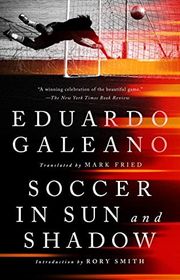
Soccer in Sun and Shadow
For readers who prefer brief literary pieces to a continuous history. Galeano moves between delight in play and criticism of football's institutions, though the fragmented, personal approach leaves chronology and comprehensive coverage to other books.
What it's about
Eduardo Galeano reflects on soccer through short pieces about players, matches, supporters, and the forces surrounding the game. Admiration for skill sits alongside criticism of commercial and political power, creating a personal account of football's pleasures and contradictions.

The Damned Utd
For readers who want football rendered as psychological fiction. Peace's repetitions and interior voice convey managerial obsession with unusual intensity, though this imagined Clough is demanding and should not be read as a straightforward factual biography.
What it's about
David Peace imagines Brian Clough's turbulent forty-four days managing Leeds United, a club he has openly despised. Moving between that appointment and his earlier career, the novel explores ambition, fear, rivalry, and the pressures surrounding a combative football manager.
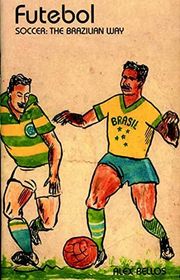
Futebol: The Brazilian Way of Life
For readers who want to understand Brazilian football beyond famous players and trophies. Bellos uses travel and encounters to connect the sport with everyday culture, though the reporting captures a historical moment rather than present-day Brazil.
What it's about
Alex Bellos travels across Brazil to investigate the relationship between the country and its football. Encounters with players, supporters, and local communities show how the game shapes national identity and how Brazilian life has shaped the sport.

For readers interested in American soccer's collision with global celebrity. Wahl's reporting examines sporting relationships alongside marketing ambitions, though the narrow episode captures a particular stage of MLS rather than its full development.
What it's about
Grant Wahl chronicles David Beckham's move to the Los Angeles Galaxy and the attempt to expand American soccer's audience. His reporting follows clashes within the team, commercial expectations, and celebrity pressures, examining how sporting ambitions collided with marketing and public attention.
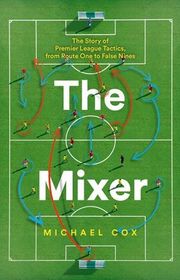
For Premier League fans who want tactical change explained through recognizable teams and players. Cox offers a tighter league-focused narrative than Inverting The Pyramid, though its first-quarter-century scope leaves later developments outside the account.
What it's about
Michael Cox traces tactical changes across the Premier League's first twenty-five years. Accounts of managers, players, and influential teams explain the movement from direct play toward changing formations, specialized roles, and different approaches to possession and defending.

For readers who want Spanish club rivalries explained through regional identities and history. Ball looks beyond match results to local loyalties, though the account reflects an earlier era and needs supplementing for recent developments.
What it's about
Phil Ball explores Spanish football through the rivalries shaped by history, politics, language, and regional identity. Accounts of clubs and supporters connect Barcelona and Madrid with other football communities, while discussion of the national team places sporting success within wider tensions.

For readers interested in how gambling and organized crime threaten sporting trust. Hill's investigative focus gives match-fixing more sustained attention than broad football histories, though the accounts are disturbing and describe a particular period of the problem.
What it's about
Declan Hill investigates match-fixing in professional soccer and its links with gambling and organized crime. His reporting examines how fixers seek influence over games, exploring corruption beneath the public spectacle and its implications for trust in the sport.
Sources
- 1
12 Best Soccer Books of All Time
sportsfoundation.org
- 2
Football Books - The WFI Book List - World Football Index
worldfootballindex.com
- 3
Best football books: brilliant books about the beautiful game | Shortlist
shortlist.com
- 4
Top soccer books to pass the time | MLSSoccer.com
mlssoccer.com
- 5
The Ultimate Guide To the Best Soccer Books - World Soccer Talk
worldsoccertalk.com
- 6
100 Best Soccer Books of All Time (Updated for 2026)
shortform.com
- 7
Soccer Books
goodreads.com
- 8
What football/Soccer books would you recommend? : r/Recommend_A_Book
reddit.com
- 9
Well-written books about football (soccer) : r/RSbookclub
reddit.com










Edited by
Software engineer whose passion for tracking book recommendations from podcasts inspired the creation of MRB.
Lead investor at 3one4 Capital whose startup expertise and love for books helped shape MRB and its growth.
Comments
Spotted a missing book, a wrong order or a mistake? Tell us and we'll fix this page.
We're a reading guide, not the author or publisher, so we can't send books or pass on messages.