
10 Best Soap Making Books
The best soap making books, ranked by how many expert sources recommend each one, with notes on who each book suits and where different makers can start.
Our take
Soap making books differ in the kind of project they assume you want to tackle. Some begin with a prepared base you can customize; others teach soap made from scratch, where ingredients, measurements, and handling matter much more. The books here also vary between broad introductions, botanical recipes, decorative projects, and substantial references for understanding your own formulas.
For prepared-base projects, start with Easy Homemade Melt and Pour Soaps. If you want to learn cold process, The Natural Soap Making Book for Beginners gives a focused introduction, while The Everything Soapmaking Book helps you compare a wider range of methods. Pure Soapmaking and Soap Crafting suit readers who learn well from photographs. Simple & Natural Soapmaking emphasizes botanicals, and Milk Soaps explores a more specialized ingredient. Choose a method first, then read its introductory equipment and handling guidance before moving into the recipes.
10 books · 6 sources · Last updated
As an Amazon Associate, we earn from qualifying purchases (at no extra cost to you).
How to choose from this list
Skip to the full rankingIf you want to customize a prepared base: Easy Homemade Melt and Pour Soaps
If you're new to cold process: The Natural Soap Making Book for Beginners → Pure Soapmaking
If you want to compare methods: The Everything Soapmaking Book
If you want botanical ingredients: Simple & Natural Soapmaking → The Natural Soap Book
If you want decorative or specialized projects: Soap Crafting → Milk Soaps
If you want a deeper reference: The Soapmaker's Companion
The 10 books, ranked
Ranked by how many expert sources name each book. Ties go to the book more people recommend.

For visual learners who want natural ingredients alongside attractive cold-process projects. The progression from simpler bars to decorative work gives room to grow, though the emphasis on recipes offers less theory than a comprehensive technical reference.
What it's about
Anne-Marie Faiola introduces handmade soap through thirty-two recipes using ingredients such as plant oils, aloe, oatmeal, and tea. Illustrated instructions progress from simple castile bars to more elaborate swirls, embeds, marbling, and layered designs, combining formulation with decorative techniques.

Simple & Natural Soapmaking
Create 100% Pure and Beautiful Soaps with The Nerdy Farm Wife’s Easy Recipes and Techniques
For makers who want to bring garden ingredients and botanical color into their projects. Berry connects plant preparation with varied soap recipes, though gathering or preparing extra ingredients adds work beyond learning a basic formula.
What it's about
Jan Berry introduces botanical soapmaking through fifty recipes and photographic tutorials for cold-process and hot-process methods. Guides to essential oils, infusions, decoration, and plant-based colorants accompany garden-inspired projects, helping readers explore ingredients and adapt their soapmaking designs.

For makers who enjoy learning through photographed projects. Its cold-process designs provide a clear route toward more decorative work, though the project emphasis may feel less useful when you want a deeper explanation of formulation.
What it's about
Anne-Marie Faiola presents thirty-one cold-process soap projects with photographs and step-by-step directions. Introductory material covers chemistry, supplies, and safety before exploring variations in ingredients, molds, fragrances, and design, giving beginners a route from basic batches toward custom creations.

The Natural Soap Making Book for Beginners
Do-It-Yourself Soaps Using All-Natural Herbs, Spices, and Essential Oils
For first-time cold-process makers who prefer a clear sequence and botanical ingredients. Cable keeps the starting point manageable, though the narrow method focus offers less help if you want melt-and-pour or liquid soap.
What it's about
Kelly Cable introduces soapmaking through ingredient explanations, equipment lists, terminology, and step-by-step cold-process tutorials. Recipes use herbs, spices, oils, clays, and essential oils, connecting the basics of soap chemistry with techniques for adding natural color and scent.

The Soapmaker's Companion
A Comprehensive Guide with Recipes, Techniques & Know-How
For makers who want a substantial reference after their first projects. Cavitch connects ingredients, technique, and formulation more deeply than a short beginner guide, though the dense presentation and older business material require patience and updating.
What it's about
Susan Miller Cavitch explains soapmaking from basic chemistry and ingredients to decorative designs. Recipes and instructions cover essential oils, natural colorants, marbling, and other techniques, with additional guidance for readers interested in developing their own formulations or selling handmade soap.

The Everything Soapmaking Book
Learn How to Make Soap at Home with Recipes, Techniques, and Step-by-Step Instructions
For beginners who want to compare methods before settling on one. Grosso offers a broad orientation and practical project ideas, though the range means less depth in any single technique than a dedicated cold-process book.
What it's about
Alicia Grosso introduces home soapmaking through equipment guidance, recipes, and illustrated instructions. The book covers colors, fragrances, bath soaps, facial cleansers, and creations for special occasions, followed by advice on packaging and selling finished products at markets and retail outlets.

Making Soap From Scratch
How to Make Handmade Soap - A Beginners Guide and Beyond
For readers who want a direct introduction with an eye toward eventually selling soap. The mix of making and small-business considerations broadens its usefulness, though the older commercial guidance needs checking against current local requirements.
What it's about
Gregory Lee White introduces cold-process soapmaking through recipes and step-by-step instruction. Discussion covers ingredients, equipment, essential oils, cutting, and curing, alongside guidance on batch sizes, packaging, labeling, and selling handmade soaps at markets or through a small business.
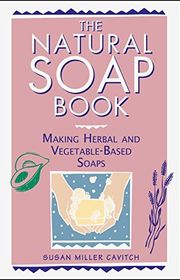
The Natural Soap Book: Making Herbal and Vegetable-Based Soaps
For readers who want an older foundational guide to plant-based soapmaking. Cavitch gives ingredients and formulation more sustained explanation than a decorative recipe collection, though the presentation and some practical advice reflect its original era.
What it's about
Susan Miller Cavitch explains the ingredients and processes involved in making herbal and vegetable-based soaps. Recipes and practical discussions address oils, fragrances, equipment, and the choices that allow makers to develop their own handmade bars.

Easy Homemade Melt and Pour Soaps
A Modern Guide to Making Custom Creations Using Natural Ingredients & Essential Oils
For beginners who want to customize a prepared soap base without handling raw lye. Berry gives botanicals and design plenty of attention, though the method offers less control over the underlying formula than making soap from scratch.
What it's about
Jan Berry presents fifty soap recipes that begin with a prepared melt-and-pour base. Instructions combine botanicals, essential oils, and natural colorants with design techniques such as layering and swirling, offering a way to customize soap without handling raw lye.

Milk Soaps
35 Skin-Nourishing Recipes for Making Milk-Enriched Soaps, from Goat to Almond
For makers ready to explore milk-based formulas and decorative designs. Faiola's photographs make specialized projects easier to follow, though the extra ingredient handling makes it a less straightforward starting point than a basic soap guide.
What it's about
Anne-Marie Faiola presents thirty-five recipes for soap enriched with animal and plant milks. Step-by-step techniques and photographs explain working with different milk types while demonstrating decorative effects such as swirls, layers, funnels, and insets for varied experience levels.
Sources







Edited by
Software engineer whose passion for tracking book recommendations from podcasts inspired the creation of MRB.
Lead investor at 3one4 Capital whose startup expertise and love for books helped shape MRB and its growth.
Comments
Spotted a missing book, a wrong order or a mistake? Tell us and we'll fix this page.
We're a reading guide, not the author or publisher, so we can't send books or pass on messages.