
13 Best Skin Care Books
The best skin care books, ranked by how many expert sources recommend each one, with notes on who each suits, from routine beginners to ingredient enthusiasts.
Our take
Skin care books can help you understand an ingredient label, build a routine or explore the habits and ideas behind a beauty philosophy. The useful starting point depends on the question you want answered. A guide to cleansing and moisturizing serves a different purpose from a recipe collection or a book about cosmetic formulation.
For everyday decisions, Skincare and Let's Face It explain routines in a conversational style. Skincare Decoded spends more time on the chemistry behind products, while The Skincare Bible brings a dermatologist's perspective to common concerns. Beyond Soap concentrates on simplifying habits and reducing irritating exposures. The Little Book of Skin Care introduces Korean beauty culture, and Eat Beautiful approaches the subject through seasonal food. The holistic books offer distinct philosophies that benefit from a more questioning reading.
Start with Skincare for routine basics, or Skincare Decoded if understanding what goes into a formula matters most to you.
13 books · 9 sources · Last updated
As an Amazon Associate, we earn from qualifying purchases (at no extra cost to you).
How to choose from this list
Skip to the full rankingIf you're building your first routine: Skincare → Let's Face It
If you want to understand ingredients: Skincare Decoded → The Ordinary: Ingredients
If you want a dermatologist's overview: The Skincare Bible
If you want to simplify cleansing: Beyond Soap
If you're curious about Korean skincare: The Little Book of Skin Care
The 13 books, ranked
Ranked by how many expert sources name each book. Ties go to the book more people recommend.

For newcomers curious about Korean beauty culture and the purpose of different routine steps. It explains the skin-first approach in an accessible way, though its ten-step framework and older product examples can feel shopping-heavy.
What it's about
Charlotte Cho introduces Korean skincare philosophy through a ten-step routine and practical tutorials. Discussion of cleansing, masks, essences, and product selection accompanies her observations of Korean beauty culture, helping readers understand the practices behind a skin-focused approach to beauty.

For readers who enjoy cooking and want beauty advice organized around seasonal ingredients. Its recipe-led format is more inviting than an ingredient reference, but its skin-nutrition framing is broader than a practical guide to topical products.
What it's about
Wendy Rowe organizes recipes and beauty advice around the four seasons. She discusses nutrients in selected ingredients and their proposed relationship to skin concerns, pairing food recipes with homemade masks, scrubs, cleansers, and other preparations within her holistic approach.

For readers who want direct answers about routine order, ingredients and common skincare mistakes. Hirons is especially useful for navigating the shopping and application process, though her brisk opinions offer less scientific detail than Skincare Decoded.
What it's about
Caroline Hirons explains how to build a skincare routine and understand the products used at each stage. Her guide discusses ingredients, common skin concerns, age, and budget, helping readers make sense of the choices involved in caring for their skin.
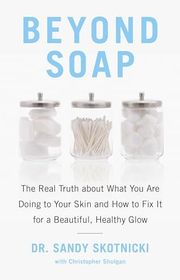
Beyond Soap
For readers questioning whether cleansing and product overload are contributing to irritation. Its focus on the skin barrier and simplifying exposure is distinctive here, though its product-elimination approach is narrower than a general skincare handbook.
What it's about
Dermatologist Sandy Skotnicki examines how washing habits and personal-care products can affect skin. She presents a product-elimination program and practical advice for simplifying adult and family routines, with particular attention to irritation and the skin barrier.
Glow from Within
For readers who like an aesthetician’s practical approach to routines, tools and preparation for specific occasions. It connects skincare with broader self-care, though that breadth includes more lifestyle advice than readers seeking ingredient science may want.
What it's about
Aesthetician Joanna Vargas explains how to build routines for different skin types and incorporate products and tools. She also discusses sleep, nutrition and stress, alongside suggested schedules, home preparations and troubleshooting for unexpected skin concerns.

For readers who want to understand formulations before buying another serum. The authors connect ingredient chemistry to practical routine choices more directly than the lifestyle books here, but the explanations demand more attention than a quick checklist.
What it's about
Victoria Fu and Gloria Lu explain skincare through their experience as formulation chemists. The guide examines ingredients, cleansing, moisturizing, sunscreen, and treatment choices, helping readers interpret labels and consider how to build a routine suited to their skin concerns.
The Ordinary: Ingredients
For visually minded readers who want to understand labels and formulation through a skincare brand’s laboratory perspective. Its photography makes ingredient education unusually browsable, but the account reflects one company rather than an independent survey.
What it's about
The scientists behind The Ordinary explain ingredients, formulations and the information on skincare labels. Photographs accompany a look inside the brand’s approach to product development, connecting the chemistry of skincare with questions consumers encounter while shopping.
The Skincare Bible
For readers who want a dermatologist to explain common concerns without building an elaborate ritual. Its clinical perspective provides a useful counterweight to lifestyle advice, though it is a broad introduction rather than a specialist textbook.
What it's about
Dermatologist Anjali Mahto explains skin biology, common concerns including acne and rosacea, and the basics of choosing products. She addresses beauty myths and routine decisions to help readers understand the reasoning behind everyday skincare advice.

Goop Clean Beauty
For readers drawn to the Goop approach to beauty, food and self-care. It offers a wider lifestyle package than the routine-focused guides here, but that brand perspective is central and it isn't a dermatology reference.
What it's about
The editors of Goop combine beauty tutorials with their approach to lifestyle and self-care. Recipes, workout plans, contributor interviews, and photographs accompany discussion of skincare, hair, and makeup, presenting the brand's perspective on connections between daily habits and appearance.

For beginners overwhelmed by product layering and unfamiliar ingredient names. Its illustrated, experience-led explanations make routines approachable, though readers seeking clinical depth will find a more systematic scientific treatment in Skincare Decoded.
What it's about
Rio Viera-Newton draws on personal skincare experience to explain ingredients, product layering, and routines for different skin types. Illustrated guidance addresses common consumer questions and includes an overview of Korean skincare, encouraging readers to look beyond branding when choosing products.

No More Dirty Looks
The Truth about Your Beauty Products--and the Ultimate Guide to Safe and Clean Cosmetics
For readers interested in the clean-beauty movement and how its authors question cosmetic ingredients. Its investigative narrative gives context to that approach, but its safety framing and older product recommendations need critical reading.
What it's about
Siobhan O'Connor and Alexandra Spunt investigate beauty products after learning about ingredients in a salon treatment. Drawing on interviews with scientists, dermatologists, and makeup artists, they present their concerns about cosmetics alongside product recommendations and recipes for homemade alternatives.

Renegade Beauty
Reveal and Revive Your Natural Radiance--Beauty Secrets, Solutions, and Preparations
For readers curious about a nature-centered beauty philosophy and plant-based preparations. It ranges further into holistic self-care than the practical routine guides, but its worldview takes priority over a conventional dermatological account.
What it's about
Nadine Artemis argues for simplifying conventional beauty routines and reconnecting self-care with nature. Her illustrated guide explores plants, water, fresh air, and other elements through her wellness philosophy, offering an alternative perspective on products, daily practices, and personal appearance.

For readers who want to reconsider an overcrowded bathroom shelf and explore homemade preparations. Its product-break approach gives the book a clear organizing idea, though its broader diet and lifestyle program may not suit minimalists.
What it's about
Adina Grigore presents her approach to simplifying skincare through attention to products, diet, and daily habits. Her proposed program combines a temporary break from products with gradual routine changes and homemade preparations, encouraging readers to examine what they use.
Sources
- 1
The 10 Best Skin Care Books That Are A Must-Read In 2026
stylecraze.com
- 2
15 of the Best Skincare Books to Help You Master Your Routine
theglowmemo.com
- 3
5 Best Skincare Books of 2025
abeautyedit.com
- 4
Best Skin Care Books
goodreads.com
- 5
Best books if any on skincare?
reddit.com
- 6
Any good book recommendations?
reddit.com
- 7
The 10 Best Books on Skin Care, According to Beauty Experts and Editors
nymag.com
- 8
The 12 Best Makeup, Skin Care, and Fashion Books to Read Now, According to Allure Editors
allure.com
- 9
I'm a Bibliophilic Beauty Editor-These 13 Chic Coffee Table Books Are Brimming With Inspo
whowhatwear.com


Edited by
Software engineer whose passion for tracking book recommendations from podcasts inspired the creation of MRB.
Lead investor at 3one4 Capital whose startup expertise and love for books helped shape MRB and its growth.
Comments
Spotted a missing book, a wrong order or a mistake? Tell us and we'll fix this page.
We're a reading guide, not the author or publisher, so we can't send books or pass on messages.