
14 Best Makeup Books
The best makeup books, ranked by how many expert sources recommend each, with notes for beginners, practicing artists, and readers seeking visual inspiration.
Our take
Makeup books can teach the basics of applying products, show how an artist transforms a face, or explain the history behind a familiar look. The right choice depends on whether you want a repeatable everyday routine, more confidence experimenting, or ideas for creative work. Photographs are useful inspiration, but clear instructions and an understanding of placement matter when you try a look yourself.
Bobbi Brown Makeup Manual offers a broad practical reference, while Everything Eyes concentrates on one area. Making Faces and Face Forward combine technique with dramatic transformations. Makeup Your Mind: Express Yourself uses overlays to make product placement visible. For a different kind of reading, Face Paint explores the history and cultural meanings of cosmetics. Start with a general technique guide if the basics are unfamiliar, then choose a focused or creative book that answers the questions you encounter while practicing.
14 books · 9 sources · Last updated
As an Amazon Associate, we earn from qualifying purchases (at no extra cost to you).
How to choose from this list
Skip to the full rankingIf you're learning the basics: Bobbi Brown Makeup Manual → Jemma Kidd Make-up Masterclass
If you want creative transformations: Making Faces → Face Forward
If you need help visualizing placement: Makeup Your Mind
If you want to focus on eye makeup: Everything Eyes
If you want to understand color: Color Theory for the Make-up Artist → The Beauty of Color
If you want makeup history: Face Paint → Classic Beauty
The 14 books, ranked
Ranked by how many expert sources name each book. Ties go to the book more people recommend.

For readers curious about why people wear makeup and how its meanings change. Eldridge connects cosmetics with cultural history rather than just application, though it offers less step-by-step instruction than a practical makeup manual.
What it's about
Lisa Eldridge explores the history of makeup through the products, images, and cultural ideas that have shaped its use. Paintings and photographs accompany an account of changing beauty practices and the development of the cosmetics people wear.

Making Faces
For readers who want practical technique alongside imaginative transformations. Aucoin's photographs and sketches show what makeup can change more vividly than a plain reference manual, though some complete looks are more theatrical than everyday wear.
What it's about
Kevyn Aucoin presents makeup basics alongside transformations that explore a wide range of appearances. Instructions, sketches, and photographs show his techniques on celebrities and other models, combining practical guidance with a gallery of imaginative looks.

For beginners who want an organized reference covering the whole face. Its broad foundation makes it easier to locate basic techniques than a transformation-led book, though some shade assumptions and product advice deserve scrutiny rather than automatic acceptance.
What it's about
Bobbi Brown covers skincare, foundation matching, and techniques for applying makeup to the face, eyes, and lips. The guide also discusses equipment and professional work, including the demands of photography and building a career in the beauty industry.

Face Forward
For readers inspired by character, glamour, and the range of appearances possible on one face. Its photographic transformations encourage experimentation, though the dramatic results can require more practice than a beginner's everyday routine.
What it's about
Kevyn Aucoin uses photographs and makeup instructions to show transformations of celebrities and other models. Different looks on the same face demonstrate how choices of color, shape, and application can alter appearance and create distinctive characters.

About Face
Amazing Transformations Using the Secrets of the Top Celebrity Makeup Artist
For readers who learn by following a complete makeover from beginning to end. Its transformation photographs connect individual steps with the overall result, though the celebrity-oriented finish may be more elaborate than you want for daily wear.
What it's about
Scott Barnes presents makeup transformations that emphasize each woman's distinctive features. Step-by-step photographs, beauty advice, and accounts of personal routines accompany the makeovers, connecting his techniques with the choices involved in creating an individual look.
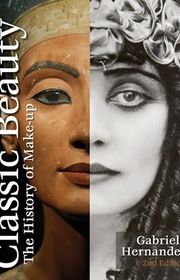
Classic Beauty
For readers and artists who want a visual reference for historical makeup styles. Its timelines and period color palettes help organize changes across eras, though it is more useful for historical study than learning a current everyday routine.
What it's about
Gabriela Hernandez traces the history of makeup and changing definitions of beauty. Images, timelines, and color palettes document cosmetic products, techniques, and styles across periods, connecting familiar beauty practices with the social settings in which they developed.
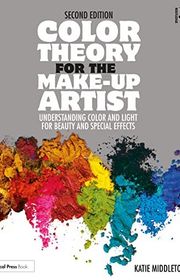
Color Theory for the Make-up Artist
For makeup artists who want to understand color decisions rather than copy a finished look. Its attention to light and color relationships supports more deliberate choices, though the theory requires practice before it becomes useful at the mirror.
What it's about
Katie Middleton applies color theory and the behavior of light to makeup artistry. Explanations and examples connect artistic principles with beauty and special effects work, helping readers understand how colors interact with skin, lighting, and one another.

Jemma Kidd Make-Up Secrets
Solutions to Every Woman's Beauty Issues and Make-Up Dilemmas
For readers who know some basics but want answers to recurring makeup difficulties. Its problem-focused approach makes targeted browsing useful, though it is less suited to readers seeking a single course to follow from the beginning.
What it's about
Jemma Kidd explains how products, ingredients, and facial features influence makeup choices. Alongside techniques for eyes and lips, she addresses concerns such as blemishes and tired-looking eyes, and presents quick looks and interpretations of familiar beauty styles.
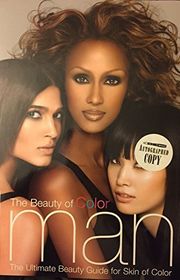
The Beauty of Color
For readers who want makeup guidance and imagery centered on women of color. Its attention to varied skin tones broadens the examples in a personal beauty library, though product references and some styles reflect its publication period.
What it's about
Iman presents beauty guidance with women of color at its center. Makeup techniques, photographs, and discussions of skin tone connect her experience in modeling and cosmetics with practical choices for creating looks that suit different complexions.

For readers who want a focused reference for eye makeup, including choices around eyeglasses. The narrower scope makes specific looks easy to revisit, though you will need another guide for a complete face routine.
What it's about
Bobbi Brown focuses on eye makeup through guidance on care, tools, and ten different looks. The book also considers eyeglasses, explaining how frame choices and makeup can work together to emphasize the eyes.

Jemma Kidd Make-up Masterclass
Beauty Bible of Professional Techniques and Wearable Looks
For beginners who want to build from tools and color basics toward wearable looks. Its step-by-step progression offers a clearer practice route than a photographic showcase, though particular styles and product references reflect the book's period.
What it's about
Jemma Kidd introduces makeup tools, skin tone, color, and techniques for the eyes, lips, cheeks, and nails. Step-by-step guidance develops the basics into different looks, including approaches suited to daytime wear and more dramatic evening makeup.

For visual learners who struggle to translate written instructions into placement on a face. The transparent overlays make changes easier to locate, though reproducing a photographed transformation still requires adapting it to your own features.
What it's about
François Nars demonstrates makeup transformations on people of different ages using before-and-after photographs. Transparent overlays indicate product placement, while accompanying instructions explain how to recreate the changes shown in each look.

For readers who want a broad introduction to beauty terminology, tools, and routines. Its mix of subjects helps with orientation, though the retailer-centered perspective and older product information make it less durable than a technique-focused guide.
What it's about
Melissa Schweiger brings together beauty advice from industry experts in a guide covering skincare, makeup, hair, tools, and ingredients. Photographs, product information, and a glossary help readers understand beauty terminology and navigate different techniques and brands.

For readers who want to understand skincare routines alongside their interest in makeup. Its emphasis on products and preparation fills a different role from the application guides, though it is primarily a skincare book rather than makeup instruction.
What it's about
Caroline Hirons explains how to build a skincare routine and understand the products used at each stage. Her guide discusses ingredients, common skin concerns, age, and budget, helping readers make sense of the choices involved in caring for their skin.
Sources
- 1
10 Makeup Books That Deserve a Spot on Your Coffee Table
whowhatwear.com
- 2
18 Best Makeup Books Every Makeup Artist Should Read
themakeuprefinery.com
- 3
Old School:Let’s chat books
jenhunter.co.uk
- 4
Makeup Books
goodreads.com
- 5
10 Must-Have Makeup Books for the Makeup Lover – Updated for 2022!
ispyfabulous.com
- 6
10 Must-Read Makeup Books for Makeup Lovers
nataliesetareh.com
- 7
Makeup books?
reddit.com
- 8
Makeup books/ magazines?
reddit.com
- 9
The Best Makeup Books For Beginners
lucytriesit.com






Edited by
Software engineer whose passion for tracking book recommendations from podcasts inspired the creation of MRB.
Lead investor at 3one4 Capital whose startup expertise and love for books helped shape MRB and its growth.
Comments
Spotted a missing book, a wrong order or a mistake? Tell us and we'll fix this page.
We're a reading guide, not the author or publisher, so we can't send books or pass on messages.