
15 Best Sewing Books
The best sewing books, ranked by how many expert sources recommend each one, with notes for choosing beginner projects, dressmaking, fitting, and technique references.
Our take
Sewing books can teach a first project, explain a construction detail, or help diagnose why a garment does not fit. Project courses introduce skills in a planned order, while larger references are useful when you need to look up a seam, fastening, or finish. Fabric guides and fitting books answer different questions again. Choosing the right format matters as much as finding a book with attractive finished pieces.
First Time Sewing and School of Sewing offer beginner routes, while Love at First Stitch concentrates on making clothes. The Sewing Book and New Complete Guide to Sewing provide broader references. For a more specific problem, try Fit for Real People for fitting or All New Fabric Savvy for material choices. Tilly and the Buttons: Stretch! helps with knit garments, and Couture Sewing Techniques explores slower, more detailed work. Start with a manageable project, then add the reference that answers the questions you encounter.
15 books · 12 sources · Last updated
As an Amazon Associate, we earn from qualifying purchases (at no extra cost to you).
How to choose from this list
Skip to the full rankingIf you've never sewn before: First Time Sewing → School of Sewing
If you want to make clothes: Love at First Stitch → The Colette Sewing Handbook
If you need a construction reference: New Complete Guide to Sewing → The Sewing Book
If your garments need better fit: Fit for Real People
If you need help choosing and handling materials: All New Fabric Savvy
If you're ready for detailed garment finishing: Couture Sewing Techniques
The 15 books, ranked
Ranked by how many expert sources name each book. Ties go to the book more people recommend.

For sewers who want a detailed photographic reference as their projects become more varied. Smith's broad technique coverage helps answer specific construction questions, though its size and topic-based structure can overwhelm someone seeking a short first course.
What it's about
Alison Smith demonstrates more than three hundred sewing techniques through detailed photographs. The reference covers equipment, hand and machine stitches, seams, hems, linings, fasteners, sleeves, and collars for making garments, altering clothes, and creating home furnishings.
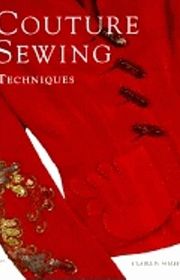
Couture Sewing Techniques
For experienced dressmakers who want to understand refined garment construction. Shaeffer connects detailed techniques with examples from couture, though the handwork and careful preparation require considerably more time than quick machine-sewn projects.
What it's about
Claire B. Shaeffer examines the methods used to construct couture garments, from shaping and hand stitches to sleeves, closures, and finishing. Illustrated explanations connect traditional techniques with choices home dressmakers can adapt to their own work.

For complete beginners who want basic tools and techniques explained before tackling ambitious clothes. Its straightforward lessons make early practice manageable, though the simple projects offer limited direction once garment fitting becomes your main concern.
What it's about
This beginner's sewing guide introduces materials, tools, hand stitches, and machine techniques through practical projects. Step-by-step lessons cover seams, hems, tension, and patterns while making household items and simple garments.

For sewers who enjoy variety and want to use modest fabric quantities. The large collection encourages small experiments across different project types, though it is better for choosing individual makes than following a coherent skill-building course.
What it's about
Patricia Hoskins and Rebecca Yaker gather 101 sewing projects that each use one yard of fabric. Illustrated instructions turn small fabric purchases into clothing, accessories, baby items, and household pieces, including lunch bags and plush toys.

Sew Everything Workshop
The Complete Step-by-Step Beginner's Guide with 25 Fabulous Original Designs, Including 10 Patterns
For beginners who want machine setup, fabric handling, and pattern use connected to practical projects. Rupp's workshop format gives new techniques a purpose, though readers should check that their edition includes the patterns needed for the garments.
What it's about
Diana Rupp teaches beginners to choose a sewing machine, organize a workspace, handle fabric, and work with patterns. Illustrated instructions accompany clothing and accessory projects designed to build practical skills, from sewing darts to customizing garments.

For visual learners who want to see construction steps in photographs. The coverage of garments, home sewing, and machine techniques makes it useful across projects, though its reference format offers less guidance about what to learn first.
What it's about
Nancy Langdon's photographic reference covers using sewing machines and sergers, preparing patterns, and constructing garments and home furnishings. Illustrated techniques explain seams, closures, pockets, collars, fit adjustments, and finishing details for beginners and more experienced sewers.

For dressmakers moving from woven fabrics into comfortable knit garments. Walnes explains stretch-specific handling on a regular machine, though this assumes more familiarity with garment construction than a general absolute-beginner book provides.
What it's about
Focused on stretch knit fabrics, this dressmaking guide explains how to sew comfortable garments with a regular machine. Full-size patterns, photographs, variations, and an introduction to overlockers help readers adapt designs and expand their sewing skills.

For beginners whose goal is making wearable clothes. Walnes introduces techniques through a progression of dressmaking patterns, though the styling and available sizes may not suit every reader and access to usable patterns matters as much as the instructions.
What it's about
Tilly Walnes teaches dressmaking through seven adaptable patterns, introducing techniques as readers make garments. The guide combines advice on machines, fabric, pressing, and personal fit with practical projects that build confidence through progressively learning by doing.

New Complete Guide to Sewing
Step-by-Step Techniques for Making Clothes and Home Accessories
For sewers who want a broad illustrated reference close to the machine. The step-by-step diagrams make construction details easy to revisit, though its encyclopedic organization provides less of a guided learning path than a project-based course.
What it's about
This illustrated reference explains garment construction and sewing for home accessories, from preparing patterns through stitching and finishing. Step-by-step diagrams and projects using Simplicity patterns provide practice for beginners and a technique reference for experienced sewers.

For beginners who prefer learning a technique and immediately trying it on something small. Knight's practice exercises make progress easy to break into sessions, though the accessory focus gives less attention to fitting a full garment.
What it's about
Choly Knight starts with choosing a sewing machine and learning basic stitches before introducing seams, binding, gathers, and zippers. Practice exercises and fifteen small projects let new sewers apply each technique while making accessories and household items.
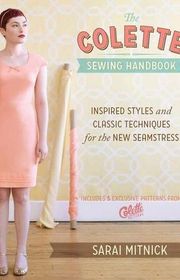
The Colette Sewing Handbook: Inspired Styles and Classic Techniques for the New Seamstress
For newer dressmakers who want a thoughtful framework as well as projects. Mitnick connects planning, fabric, fit, and finishing with a small pattern collection, though the vintage-influenced styles and pattern size range may not match every wardrobe.
What it's about
Sarai Mitnick organizes dressmaking around planning, patterns, fabric, fit, and finishing. Five garment patterns provide opportunities to practice the techniques, with explanations that connect preparation and construction choices to a more deliberate approach to making clothes.

For beginners who need permission to practice without perfect results. Karol's relaxed voice and small projects lower the barrier to starting, though the informal approach supplies less precision for readers aiming immediately at tailored clothing.
What it's about
Amy Karol introduces sewing through thirty approachable projects, including pillows, aprons, and purses. Advice on equipment, fabric, patterns, and basic techniques supports a relaxed approach that encourages beginners to develop skills without demanding perfection from every stitch.
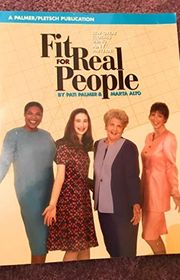
Fit for Real People: Sew Great Clothes Using ANY Pattern
For garment sewers whose finished clothes do not fit as expected. Palmer and Alto make pattern adjustment visible through real bodies and tissue fitting, though the method takes careful observation and may feel awkward without a fitting partner.
What it's about
Pati Palmer and Marta Alto explain how to assess garment fit and alter commercial patterns. Photographs and step-by-step adjustments address different body shapes, showing how tissue fitting and pattern changes can help create clothes suited to individual measurements.

For beginners who like learning in a deliberate sequence, alone or with friends. Henderson uses projects to introduce practical machine skills gradually, though the year-long course format requires more sustained participation than dipping into a reference book.
What it's about
Shea Henderson follows a group of beginners through learning to use their sewing machines. Twelve projects introduce fabrics, tools, machine feet, interfacings, and zippers, with a year-long structure suited to learning alone or teaching others.
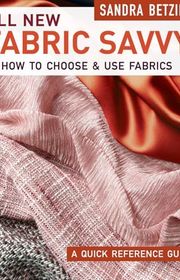
All New Fabric Savvy
For sewers who need quick answers about an unfamiliar material. Betzina organizes practical settings and handling advice by fabric, expanding the earlier reference, though the lookup format complements construction instruction rather than replacing a general sewing course.
What it's about
Sandra Betzina explains how different fabrics behave and how to select tools and techniques for them. Fabric-by-fabric entries cover preparation, cutting, needles, seams, pressing, and finishing, helping readers adapt their approach to the material in hand.
Sources
- 1
Sewing books for beginners that are actually helpful - Elizabeth Made This
elizabethmadethis.com
- 2
7 Best Sewing Books For Beginners Learning To Sew
sewingmachinefun.com
- 3
16 Best Sewing Books in 2026: Must-Reads For Sewing Fans
sewingfromhome.com
- 4
25 must-have sewing books - see kate sew
seekatesew.com
- 5
Our Favorite Sewing Books
curvysewingcollective.com
- 6
100 Best Sewing Books of All Time (Updated for 2026)
shortform.com
- 7
Sewing Books
goodreads.com
- 8
9 Best Sewing Books (2024 update) : Sewing Insight
sewinginsight.com
- 9
5 Best Sewing Books to Improve Your Sewing Skills (Beginner to Advanced) - saturday night stitch
saturdaynightstitch.com
- 10
Favorite sewing books? : r/sewing
reddit.com
- 11
Favorite/Most useful sewing books? : r/sewhelp
reddit.com
- 12
10 Best Sewing Books For Beginners
craftysewingsew.co.uk




Edited by
Software engineer whose passion for tracking book recommendations from podcasts inspired the creation of MRB.
Lead investor at 3one4 Capital whose startup expertise and love for books helped shape MRB and its growth.
Comments
Spotted a missing book, a wrong order or a mistake? Tell us and we'll fix this page.
We're a reading guide, not the author or publisher, so we can't send books or pass on messages.