
11 Best Quilting Books
The best quilting books, ranked by how many expert sources recommend each one, with notes on first projects, modern patchwork, blocks and machine quilting.
Our take
Quilting involves several related skills: choosing fabric, cutting accurately, piecing a top, adding layers and stitching the finished surface. A book that helps with your first seams may not be the one you need when you want to design a sampler or improve free-motion quilting. These choices range from complete beginner courses to focused collections of blocks, surface designs and modern techniques.
First-Time Quiltmaking starts with the basics, while Beginner's Guide to Quilting teaches through a wider range of objects. The Practical Guide to Patchwork connects those skills with contemporary projects. Once you want more design freedom, Quilting Modern introduces improvisation, and Tula Pink's City Sampler offers a sustained sequence of blocks. Quilt As-You-Go Made Modern changes the construction process by working in manageable sections. For the stitched surface, Rulerwork Quilting Idea Book and Step-by-Step Texture Quilting address more specific machine techniques. Start with a general course if you're new, then choose a specialist book for the stage of making you want to develop.
11 books · 6 sources · Last updated
As an Amazon Associate, we earn from qualifying purchases (at no extra cost to you).
How to choose from this list
Skip to the full rankingIf you're making your first quilt: First-Time Quiltmaking → The Practical Guide to Patchwork
If you want a general techniques reference: Quilting 101 → Beginner's Guide to Quilting
If you want to explore blocks and layouts: Tula Pink's City Sampler → Quiltmaker's 1,000 Blocks
If you want to improvise: Quilting Modern
If you want to work in smaller sections: Quilt As-You-Go Made Modern
If you're developing machine quilting: Step-by-Step Texture Quilting → Rulerwork Quilting Idea Book
The 11 books, ranked
Ranked by how many expert sources name each book. Ties go to the book more people recommend.
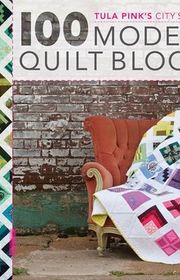
Tula Pink's City Sampler
For quilters who enjoy steady progress through small blocks and experimenting with fabric combinations. The hundred-block sampler gives repeated practice a visible structure, though completing the full collection is a longer commitment than making one simple project.
What it's about
Tula Pink presents one hundred original quilt blocks alongside five city-themed sampler layouts. The collection invites makers to explore fabric and color combinations through small pieced units, then arrange those units into a quilt or a design of their own.
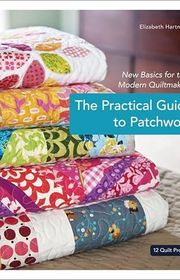
The Practical Guide to Patchwork
For beginners who want basic skills applied to contemporary-looking quilts. Hartman's progression offers room to develop beyond a first project, though readers chiefly interested in traditional block encyclopedias will find a more selective set of designs.
What it's about
Elizabeth Hartman introduces patchwork through twelve quilt projects for beginners and intermediate makers. Instructions connect fabric choices, cutting, piecing and finishing with modern designs, guiding readers through an increasing range of techniques as their confidence develops.
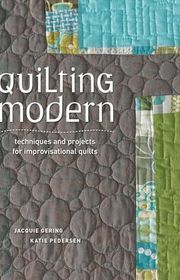
Quilting Modern
For quilters who want to move from following patterns toward improvising designs. Gering and Pedersen organize experimentation around core techniques, though the open-ended decisions about color, shape and composition can feel less comfortable than a fixed block recipe.
What it's about
Jacquie Gering and Katie Pedersen teach seven improvisational techniques through contemporary quilt projects. Step-by-step instructions accompany discussions of color and design, showing how methods can be adapted to bed quilts, wall pieces and smaller quilted objects.

For beginners who want to learn techniques through varied projects rather than only bed quilts. Betts connects a visual glossary with practical making, though the range of smaller objects offers less sustained focus on designing a large quilt.
What it's about
Elizabeth Betts teaches quilting through sixteen projects, including bags, cushions, wall hangings, and bed quilts. Illustrated instructions introduce piecing, applique, quilting, and binding, with a glossary explaining common sewing and quilting terms.

For complete beginners who want tools, fabric preparation and finishing explained from the start. The six-lesson structure keeps the learning sequence clear, though the limited project selection may feel restrictive once you have mastered the basics.
What it's about
Six lessons introduce fabrics, tools, preparation, sewing, and finishing for first-time quiltmakers. Seven beginner projects provide practice through illustrated instructions and diagrams, with guidance that includes using popular precut fabrics.

For quilters who find a whole quilt difficult to handle under a domestic machine. Brandvig's block-based method makes the work more manageable, though its joining and construction approach differs from the conventional workflow taught in general beginner books.
What it's about
Jera Brandvig teaches an improvisational approach that pieces and quilts fabric directly onto manageable batting blocks. Thirteen projects demonstrate how to join the blocks, add backing and binding, and adapt patterns to personal designs.

Quilting 101
Master Basic Skills and Techniques Easily through Step-by-Step Instruction
For beginners who want a reference they can consult at each stage of quiltmaking. The photographs connect preparation, construction and finishing in one place, though the course-like progression is less focused on distinctive modern design than the specialist collections.
What it's about
This illustrated introduction teaches quiltmaking from fabric selection and cutting through seams, quilt tops, layering, and finishing. Progressive projects develop skills in hand and machine quilting, with step-by-step photographs supporting each technique.

For quilters who already know the basics and want a large pool of blocks to combine. The variety supports experimenting with layouts, though the catalog format is less helpful than a structured course when you still need technique instruction.
What it's about
This collection brings together a thousand quilt blocks from Quiltmaker magazine's designers. Instructions cover piecing, applique, foundation piecing, and mixed techniques, alongside settings, fabric quantities, and guidance for assembling blocks into quilts.

For quilters who want a manageable project with a quick finish. The straightforward designs and size variations make planning easier, though the emphasis on speed offers less opportunity for intricate piecing or developing an individual design approach.
What it's about
This collection offers ten quilt projects designed for quick completion, with size variations expanding the choices. Color diagrams, basic techniques, and special tutorials support beginners and quilters looking for projects manageable within a weekend.

Rulerwork Quilting Idea Book
59 Outline Designs to Fill with Free-Motion Quilting, Tips for Longarm and Domestic Machines
For machine quilters who want repeatable outlines before adding free-motion texture. Murphy shows how a small set of ruler shapes generates many designs, though the specialist method requires compatible equipment and more setup than ordinary walking-foot quilting.
What it's about
Amanda Murphy introduces machine quilting rulers and shows how six basic ruler shapes produce fifty-nine designs. The guide combines precise rulerwork outlines with free-motion background quilting and includes advice for domestic machines and longarms.

For quilters ready to develop the surface texture of their finished tops. Cameli's varied designs offer practice beyond basic straight lines, though confident results depend on repeated stitching and machine control rather than simply following the illustrations.
What it's about
Christina Cameli teaches sixty-five quilting designs that create organic and geometric texture. Illustrated lessons and close-up photographs explain free-motion and walking-foot techniques, with variations suitable for home sewing machines and longarms.
Sources
- 1
Quilting Books
vancouvermodernquiltguild.ca
- 2
Quilting Books
goodreads.com
- 3
favorite quilting books?
reddit.com
- 4
What is the “holy grail” of quilting books? Something everyone should read once type of thing!
reddit.com
- 5
Best Quilting Books For Beginners and Experienced Quilters
quiltersreview.com
- 6
Learn to Quilt: The 5 Best Books to Read
suzyquilts.com






Edited by
Software engineer whose passion for tracking book recommendations from podcasts inspired the creation of MRB.
Lead investor at 3one4 Capital whose startup expertise and love for books helped shape MRB and its growth.
Comments
Spotted a missing book, a wrong order or a mistake? Tell us and we'll fix this page.
We're a reading guide, not the author or publisher, so we can't send books or pass on messages.