
11 Best SEO Books
The best SEO books, ranked by how many expert sources recommend each one, with notes for beginners, working practitioners, and teams choosing a strategy.
Our take
SEO books can explain how search connects websites with people looking for information, products, and services. Their lasting value is often in the way they organize a problem: understanding an audience, building useful pages, finding technical obstacles, and deciding what to measure. Tool instructions and tactical examples age more quickly, so edition details matter when choosing a practical guide.
For a broad introduction, SEO For Dummies explains the vocabulary and main areas of work. SEO Workbook suits readers who want to apply lessons to a site, while The Art of SEO offers a deeper reference. Product-Led SEO connects search with product and business decisions, and The SEO Blueprint concentrates on organizing delivery. More focused options include Ultimate Guide to Link Building, Entity SEO, and Using Generative AI for SEO. Start with the level of explanation you need, then use a specialist book when you can identify the problem it should help you understand.
11 books · 8 sources · Last updated
As an Amazon Associate, we earn from qualifying purchases (at no extra cost to you).
How to choose from this list
Skip to the full rankingIf you're starting from zero: SEO For Dummies → SEO Workbook
If you want a detailed reference: The Art of SEO
If you need to connect SEO with business strategy: SEO for Growth → Product-Led SEO
If you organize campaigns or team delivery: The SEO Blueprint
If you want to explore a specialist topic: Ultimate Guide to Link Building → Entity SEO
If you're evaluating AI-assisted workflows: Using Generative AI for SEO
The 11 books, ranked
Ranked by how many expert sources name each book. Ties go to the book more people recommend.

For readers ready to study search optimization as a connected discipline rather than a checklist. Its breadth makes it a substantial reference, though the length and technical detail can overwhelm a beginner and older editions need updating.
What it's about
Eric Enge, Stephan Spencer, and Jessie Stricchiola explain how to plan and carry out an SEO strategy. Their reference connects search engine behavior with links, social media, user data, and measurement, covering techniques from introductory to advanced.
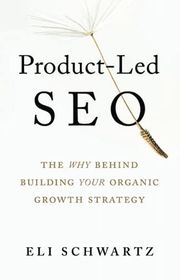
Product-Led SEO: The Why Behind Building Your Organic Growth Strategy
For leaders and experienced marketers who need to decide where search belongs in a product's growth strategy. It emphasizes users and business decisions over isolated tactics, though beginners looking for tool walkthroughs will need a more practical companion.
What it's about
Eli Schwartz presents SEO as a product and business strategy rather than a collection of isolated ranking tactics. He examines users, markets, organizational decisions, and measurement, connecting organic search work with the goals of a business.
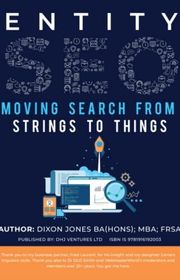
Entity SEO: Moving from Strings to Things
For readers who understand keyword research but want an introduction to entities and meaning in search. Its narrow subject extends the broader guides, though the short format provides less implementation detail than a technical textbook.
What it's about
Dixon Jones introduces entity-based search and the relationships between concepts, people, places, and organizations. The book explains a shift from thinking only about keyword strings toward considering the meaning and connections within website content.

SEO For Dummies
For beginners who want terminology and website basics explained in one place. Its reference format supports looking up unfamiliar subjects, though the breadth can feel slow and edition-specific examples need checking against current tools and guidance.
What it's about
Peter Kent introduces search engine optimization through website design, search behavior, and promotion. He explains how to make content easier for search engines to understand and discusses links, social media, paid search, and managing an online reputation.

For business owners and marketers who need SEO connected with customer acquisition and wider marketing work. It gives search a commercial context, though its broad strategy offers less technical depth than a specialist reference.
What it's about
John Jantsch and Phil Singleton connect search engine optimization with broader business marketing. Their guide covers keyword research, content planning, website design, links, social media, and reputation management, showing how these activities support attracting and retaining customers.

For beginners who find technical language a barrier to getting started. The workshop style and familiar analogies make concepts easier to approach, though the playful presentation and older examples can frustrate readers wanting a compact technical reference.
What it's about
Matthew Capala presents a beginner's approach to building search visibility through a website, content, and online relationships. Workshop-style guidance covers keyword opportunities, blogging, backlinks, social platforms, and turning an online audience into leads or revenue.

For practitioners who need a repeatable way to organize campaigns and prioritize work. Its process orientation is useful for delivery and team coordination, though it assumes more familiarity with SEO than an introductory terminology guide.
What it's about
Ryan Stewart and David Krevitt present a structured process for running SEO campaigns. They explain how to prioritize keywords and pages, analyze competitors, plan content, audit technical problems, and organize a website, supported by practical tools and templates.

Ultimate Guide to Link Building
How to Build Website Authority, Increase Traffic and Search Ranking with Backlinks
For practitioners who want to think carefully about link prospecting and outreach. Its specialist focus offers more depth than a general introduction, though older examples and the differences between editions make current context especially important.
What it's about
Garrett French and Eric Butow explain how to develop a long-term link-building strategy. The guide covers link audits, competitor analysis, identifying relevant websites, and outreach, distinguishing links that bring visitors from links intended to support search rankings.

For readers who learn by applying each step to their own website. Worksheets connect goals, keywords, content, and measurement more directly than a theory-heavy reference, though companion resources and tool instructions depend on the edition.
What it's about
Jason McDonald organizes SEO into seven steps, from setting goals and choosing keywords to optimizing pages, creating content, building links, and measuring results. Worksheets and companion resources help readers apply the process to their own websites.
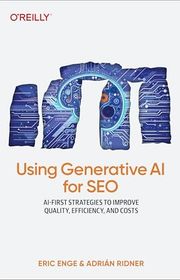
Using Generative AI for SEO: AI-First Strategies to Improve Quality, Efficiency, and Costs
For working SEOs exploring where generative AI fits into research and content workflows. It addresses a gap in older general references, though fast-changing tools mean examples need checking and generated material still requires informed human review.
What it's about
Eric Enge and Adrián Ridner examine generative AI in SEO work, including research, content development, and workflow design. The book discusses practical applications alongside quality, efficiency, and cost considerations for teams evaluating AI-assisted processes.

For business owners who want SEO explained in ordinary language before hiring help or doing it themselves. Its practical business focus makes the subject approachable, though the title's ranking promise cannot account for competition or changing search results.
What it's about
Tim Cameron-Kitchen explains search engine optimization for business owners and marketers in accessible language. Examples explore keyword selection, content creation, promotion, and assessing SEO work, with an emphasis on connecting search visibility to business goals.
Sources
- 1
17 Best SEO Books for 2026: AI SEO, Fundamentals and More
nathangotch.com
- 2
The 15 Best SEO Books Backed by Our SEO/GEO Team
siegemedia.com
- 3
Best SEO books for 2026: what I learned from reading them
searchenginewatch.com
- 4
Seo Books
goodreads.com
- 5
Best books on SEO?
reddit.com
- 6
Top 10 Best SEO Books: Highest Rated Search Engine Optimization Books (Reviews)
jimmilan.com
- 7
The 11 Best SEO Books You Must Read Today
searchenginejournal.com
- 8
Best SEO Books 2020
brightedge.com




Edited by
Software engineer whose passion for tracking book recommendations from podcasts inspired the creation of MRB.
Lead investor at 3one4 Capital whose startup expertise and love for books helped shape MRB and its growth.
Comments
Did we miss something? Have feedback?
Help us improve this page by sharing your thoughts