
12 Best Pottery Books
Find the best pottery books, ranked by expert sources and reader recommendations, with guides to throwing, handbuilding, glazes, form, and studio inspiration.
Our take
The most useful pottery book depends on what happens when you sit down with clay. Learning to center a cylinder calls for a different kind of guidance from designing a comfortable mug handle or understanding an unpredictable glaze. Some books here offer sequential instruction; others help you see forms and surfaces more carefully.
For making skills, Mastering the Potter’s Wheel and Mastering Hand Building provide focused routes through their respective methods. Pinch Pottery shows how much can be made with hands and simple tools. Once basic construction feels familiar, A Potter’s Workbook and Functional Pottery turn attention toward proportion, usefulness, and the decisions that distinguish one pot from another.
Keep technical references and inspiration books in separate roles. The Complete Guide to Mid-Range Glazes supports testing at a particular firing range, while Clay and Urban Potters introduce makers and creative practices. Start with the manual that matches your studio access, then add a design or glaze reference as your questions become more specific.
12 books · 9 sources · Last updated
As an Amazon Associate, we earn from qualifying purchases (at no extra cost to you).
How to choose from this list
Skip to the full rankingIf you want a broad starting reference: The Ceramics Bible → 250 Tips, Techniques, and Trade Secrets for Potters
If you want to improve on the wheel: Mastering the Potter's Wheel → A Potter's Workbook
If you prefer working without a wheel: Pinch Pottery → Mastering Hand Building
If you want better functional design: Functional Pottery → A Potter's Workbook
If you fire at mid-range temperatures: The Complete Guide to Mid-Range Glazes
If you want visual inspiration: Clay → Urban Potters
The 12 books, ranked
Ranked by how many expert sources name each book. Ties go to the book more people recommend.

A Potter's Workbook
For potters who can already throw basic forms and want to develop their eye. Illian’s exercises connect technique with proportion and function, though this thoughtful workbook is less suited to learning centering from scratch.
What it's about
Clary Illian explores the design and making of functional wheel-thrown pottery through a series of exercises. Photographs and explanations connect throwing and finishing techniques with questions of form, proportion, and use, including bowls, pitchers, cylinders, handles, and lids.
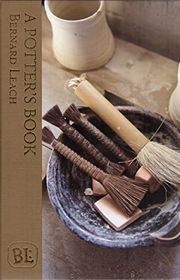
A Potter's Book
For readers interested in the values and historical foundations of studio pottery. Leach joins practical knowledge with an influential account of craftsmanship, though its period assumptions and methods need context in a contemporary studio.
What it's about
Bernard Leach discusses the making of studio pottery through materials, forming, glazing, firing, and the judgment of finished work. Drawing on British and East Asian traditions, he presents an account of craftsmanship that connects practical work with aesthetic values.

For potters mixing and testing glazes for mid-range firing. Britt connects recipes with application and kiln variables, though results depend on your clay, materials, and firing conditions rather than a formula alone.
What it's about
John Britt explains glazing and firing at cones four through seven, with recipes and examples for studio potters. Mixing, testing, application, firing, and cooling receive attention, alongside color treatments and the variables that influence a glaze's finished appearance.
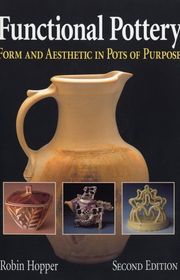
Functional Pottery
For potters who want to understand why useful vessels feel and work well. Hopper connects form, proportion, and purpose with historical examples, though it suits reflective design study better than a first throwing lesson.
What it's about
Robin Hopper examines the design of handmade pots intended for everyday use. Historical and contemporary examples support discussions of proportion, shape, handles, spouts, and other decisions that connect a vessel’s appearance with the way it functions.

For makers who want to develop clay forms without relying on a wheel. Cobb combines foundational handbuilding with more ambitious construction and artist examples, though mastering the techniques still requires repeated physical practice.
What it's about
Sunshine Cobb teaches ways to construct clay forms without a potter's wheel, beginning with pinching, coiling, and slab building. Photographs and artist examples extend the instruction to templates, molds, lidded vessels, decoration, and other techniques for developing more complex work.

For wheel throwers who want structured instruction beyond their first successful cylinder. Carter connects core skills with complex forms and troubleshooting, though photographs cannot provide the immediate feedback of a studio teacher.
What it's about
Ben Carter breaks wheel throwing into manageable stages, from preparing clay and centering to shaping and trimming pots. Illustrated instruction and troubleshooting lead into more advanced work, including lids, handles, spouts, altered forms, larger vessels, and decorative finishes.

For readers seeking visual inspiration and insight into contemporary makers’ working lives. Bell’s international studio profiles reveal varied creative approaches, though this is a photographic survey rather than a manual for reproducing the work.
What it's about
Amber Creswell Bell profiles more than fifty studio potters from around the world, visiting their practices and creative lives. Photographs and accounts of their work range across functional, decorative, and sculptural ceramics, offering a view of contemporary independent pottery studios.

For beginners and handbuilders who want useful vessels made with simple tools. Halls develops pinching into handles, lids, and complete projects, though the deliberately narrow technique focus leaves wheel throwing and other construction methods aside.
What it's about
Susan Halls introduces functional pottery made by pinching clay with hands and simple tools. Photographs and instructions cover basic shapes, handles, lids, surface treatments, and finished projects, showing how modest techniques can be developed into bowls, mugs, and teapots.
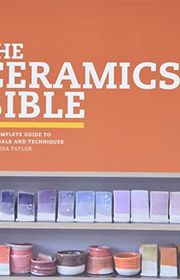
The Ceramics Bible
For beginners who want an illustrated reference covering the broader ceramics process. Taylor brings materials, forming, decoration, glazing, and firing together, though a wide survey cannot give every technique the depth of a specialist book.
What it's about
Louisa Taylor introduces ceramic materials and the processes used to shape, decorate, glaze, and fire them. Illustrated explanations and examples of artists’ work present handbuilding, wheel throwing, mold making, and other approaches within a broad studio reference.

250 Tips, Techniques, and Trade Secrets for Potters
The Indispensable Compendium of Essential Knowledge and Troubleshooting Tips
For beginners and improving potters who want quick help with recurring studio problems. Atkin organizes practical techniques and fixes across several methods, though the compendium format offers less sustained instruction than a course.
What it's about
Jacqui Atkin offers practical advice and troubleshooting for making pottery, from choosing materials and tools to shaping and finishing pieces. Photographs, diagrams, and instructions explain techniques including pinching, coiling, slabbing, and throwing, with suggestions for avoiding and correcting common problems.

For potters who want to connect glaze color with expressive surface choices. Taylor and Doody pair finished work with technical information, though readers seeking a systematic introduction to glaze chemistry may need another reference.
What it's about
Brian Taylor and Kate Doody explore ceramic glazing through works selected for their distinctive surfaces. Organized by color, the book combines artists' intentions, technical descriptions, recipes, and instructions, connecting inspirational examples with the practical choices behind different glaze effects.

For readers interested in how contemporary potters build creative lives within cities. Treggiden’s studio visits offer varied workspaces and influences, though the profiles provide inspiration rather than detailed lessons in making or running a business.
What it's about
Katie Treggiden visits twenty-seven ceramicists in six cities, exploring their studios, work, and sources of inspiration. Profiles from New York, London, Tokyo, Copenhagen, Sydney, and São Paulo present different approaches to contemporary pottery and the creative lives behind handmade objects.
Sources
- 1
The Best Pottery Books on my Bookshelf
karaleighfordceramics.com
- 2
The Big Pottery Book List
ceramic.school
- 3
The Best Pottery Books: A List of the 5 Top Books to Help you Develop Your Ceramics Library
ceramicartsnetwork.org
- 4
Recommended Books
clayshare.com
- 5
Fundamental pottery books
reddit.com
- 6
What are your favorite pottery books and why?
reddit.com
- 7
Best books on Ceramic Arts
goodreads.com
- 8
Best Pottery Books: 7 Inspiring Titles For Potters
thepotterynetwork.com
- 9
5 Excellent Ceramics and Pottery Books for Your Bookshelf
domestika.org




Edited by
Software engineer whose passion for tracking book recommendations from podcasts inspired the creation of MRB.
Lead investor at 3one4 Capital whose startup expertise and love for books helped shape MRB and its growth.
Comments
Spotted a missing book, a wrong order or a mistake? Tell us and we'll fix this page.
We're a reading guide, not the author or publisher, so we can't send books or pass on messages.