
8 Best Dance Books
The best dance books, ranked by how many expert sources recommend each one, with notes on who each suits, from dancers and teachers to curious audiences.
Our take
Dance books let you approach the art as a performer, teacher, audience member, or reader of another person’s life. This selection leans toward ballet, with technical references and memoirs alongside a history of tap and a book about creative practice. Those forms serve different purposes: understanding a movement, following a performance, and learning how a career feels are not the same task.
Classical Ballet Technique offers detailed reference for students and teachers, while Dance Anatomy connects movement with muscular demands. Dance Imagery for Technique and Performance explores another way to think about physical practice. Audience members can use 101 Stories of the Great Ballets before a performance, then turn to What the Eye Hears for a broader cultural history of tap. The memoirs Life in Motion and Dancing on My Grave offer contrasting personal perspectives. Start with the book closest to your interest, and use technical reading alongside appropriate instruction rather than as a complete training method.
8 books · 6 sources · Last updated
As an Amazon Associate, we earn from qualifying purchases (at no extra cost to you).
How to choose from this list
Skip to the full rankingIf you want to follow a ballet’s story: 101 Stories of the Great Ballets
If you study or teach classical ballet: Classical Ballet Technique → Dance Anatomy
If you want to explore movement imagery: Dance Imagery for Technique and Performance
If you want dancers’ personal experiences: Life in Motion → Dancing on My Grave
If you want tap history: What the Eye Hears
If you want to develop creative routines: The Creative Habit
The 8 books, ranked
Ranked by how many expert sources name each book. Ties go to the book more people recommend.
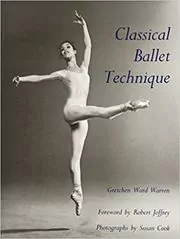
Classical Ballet Technique
For ballet students and teachers who need detailed vocabulary and photographic reference. Its breadth rewards repeated consultation more than a short overview would, though static photographs cannot replace the timing, corrections, and feedback of instruction.
What it's about
Gretchen Warren presents classical ballet vocabulary and technique for dancers and teachers, supported by extensive photographs. The reference combines explanations of movement with practical advice, a glossary, and a pronunciation guide for the terminology used in ballet training.
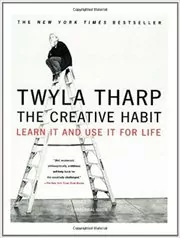
For dancers and choreographers who want a repeatable approach to creative work. Tharp’s routines and exercises address making and developing ideas beyond technique, though the broad applications mean much of the book is not specifically about dance training.
What it's about
Twyla Tharp draws on her experience as a choreographer to explain creativity as a practice built through preparation and effort. Anecdotes and thirty-two exercises explore routines, observation, skill, and overcoming obstacles across artistic and everyday work.
Also recommended by
1 person Jen Sincero recommended this book
Jen Sincero
"As the title suggests, it’s all about creating good habits, which, if you do nothing else, will completely change your life for the better." - Jen Sincero
Jen Sincero's recommendation of this book
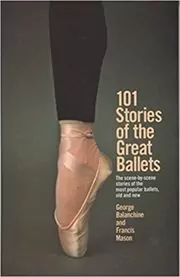
101 Stories of the Great Ballets
The Scene-by-scene Stories of the Most Popular Ballets, Old and New
For audience members who want to follow the action before seeing a ballet. Balanchine and Francis Mason offer a practical repertory reference, though knowing the story is different from understanding choreography, and productions can alter the details.
What it's about
George Balanchine and Francis Mason retell the action of classic and contemporary ballets scene by scene. The collection provides a reference to their stories as performed by major companies, for newcomers and audiences familiar with the repertory.
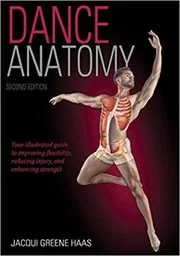
Dance Anatomy
For dancers who want to connect movement with the muscles involved. Anatomical illustrations make physical demands easier to visualize than a memoir or history, though the exercises need to fit the dancer’s training and individual circumstances.
What it's about
Jacqui Haas connects dance movements with the muscles involved through anatomical illustrations and conditioning exercises. The book examines alignment, breathing, flexibility, and muscular control, with guidance on fitting supplementary training around classes, rehearsals, and rest.
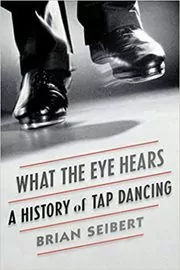
For readers who want tap placed within performance history, race, and musical exchange. Seibert provides broader cultural context than a technique manual, though the detailed historical account asks for patient reading and offers little step-by-step dance instruction.
What it's about
Brian Seibert traces tap dancing from its African and European roots through minstrelsy, vaudeville, Broadway, and Hollywood. Profiles of performers connect changing styles with jazz, racial exchange, cultural appropriation, and the form's later revivals.
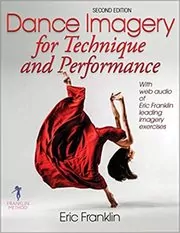
Dance Imagery for Technique and Performance
For dancers and teachers interested in using mental images to explore movement. Franklin’s exercises offer a different approach from purely anatomical explanation, though applying the ideas requires experimentation and may feel abstract without studio experience.
What it's about
Eric Franklin explains how dancers and teachers can use mental imagery in technique, improvisation, choreography, and performance. Illustrated exercises connect imagined movement with physical practice, including explorations of touch, massage, and stretching.
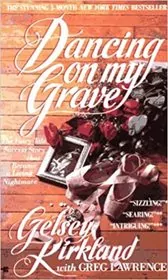
Dancing on My Grave
For readers who want an unsparing view of professional ballet’s personal costs. Gelsey Kirkland and Greg Lawrence offer an intimate counterpoint to technical references, though addiction, disordered eating, and conflict make the memoir a difficult introduction for younger readers.
What it's about
Gelsey Kirkland recounts her career with George Balanchine and her partnership with Mikhail Baryshnikov. Written with Greg Lawrence, the autobiography examines ballet's demands, her descent into drug addiction, and her struggle to rebuild her life.
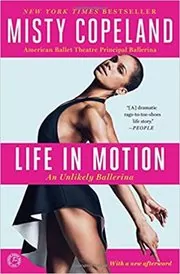
For readers interested in a dancer’s route into professional ballet and the barriers along the way. Copeland’s personal perspective gives representation and opportunity particular weight, though it is one career story rather than a general guide to training.
What it's about
Misty Copeland recounts beginning ballet at thirteen and pursuing a professional career amid poverty, family conflict, and racial barriers. Her memoir follows the contrast between a turbulent home life and the discipline she found in dance.
Sources
- 1
100 Best Dance Books of All Time
shortform.com
- 2
Book for learning ballet vocabulary? For a 10 year old boy
reddit.com
- 3
Book recommendations for ballet beginners?
reddit.com
- 4
Dance Books
goodreads.com
- 5
Top 50 Best Books for Dancers
danceteacherfinder.com
- 6
Books Recommended by Healthy Dancer Canada
healthydancercanada.org

Edited by
Software engineer whose passion for tracking book recommendations from podcasts inspired the creation of MRB.
Lead investor at 3one4 Capital whose startup expertise and love for books helped shape MRB and its growth.
Comments
Spotted a missing book, a wrong order or a mistake? Tell us and we'll fix this page.
We're a reading guide, not the author or publisher, so we can't send books or pass on messages.