
13 Best Pharmacology Books
The best pharmacology books, ranked by how many expert sources recommend each one, with notes on who they suit, from nursing beginners to medical students.
Our take
Pharmacology connects what drugs do in the body with how the body handles them. Learning it means understanding mechanisms, comparing related medicines and making sense of uses, unwanted effects and interactions. The books here serve different stages of that work, from a first nursing course to medical examination review and deeper reference reading. A concise study aid and a full textbook solve different problems.
Lippincott Illustrated Reviews: Pharmacology uses diagrams and outlines to make revision manageable. Basic and Clinical Pharmacology and Rang & Dale's Pharmacology give more room to the science behind drug effects. Goodman and Gilman's The Pharmacological Basis of Therapeutics is the deeper reference option. Nursing-focused books put more emphasis on assessment, administration and patient education, while the examination guides add practice questions. Edition and course fit matter, since the drug information and the emphasis of examinations change.
Start with the book your course follows, then add a review guide that helps with the part you find hardest: understanding mechanisms, recalling drug classes or answering questions.
13 books · 11 sources · Last updated
As an Amazon Associate, we earn from qualifying purchases (at no extra cost to you).
How to choose from this list
Skip to the full rankingIf you want a visual medical-school review: Lippincott Illustrated Reviews: Pharmacology
If you want a fuller explanation of mechanisms: Basic and Clinical Pharmacology → Rang & Dale's Pharmacology
If you're preparing for medical examinations: Katzung & Trevor's Pharmacology Examination and Board Review
If you're beginning a nursing course: Pharmacology Made Incredibly Easy → Roach’s Introductory Clinical Pharmacology
If you need an advanced reference: Goodman and Gilman's The Pharmacological Basis of Therapeutics
If you need help organizing drug classes: Basic Concepts in Pharmacology → Memorizing Pharmacology
The 13 books, ranked
Ranked by how many expert sources name each book. Ties go to the book more people recommend.

Rang & Dale's Pharmacology
For students who want to understand drug action from receptors through whole-body effects. Its mechanism-led explanations provide more scientific context than memorization guides, though the detail takes time and assumes a foundation in physiology.
What it's about
This textbook develops pharmacology from molecular explanations of receptors and drug actions to the clinical uses of major drug groups. Illustrations, key-point summaries, and clinical-use boxes support coverage of body systems, infection treatments, cancer drugs, and harmful effects.

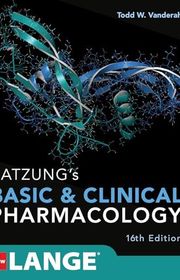
Basic and Clinical Pharmacology
For medical students who want one substantial text connecting mechanisms with clinical uses. Its cases and drug-class coverage offer more context than the board-review outlines, but the breadth makes it slower for last-minute revision.
What it's about
This medical pharmacology textbook connects drug mechanisms and effects with clinical applications. Chapters introduce cases, examine representative drug groups, and summarize key information through tables and diagrams, with coverage ranging from receptors and transporters to major therapeutic classes.

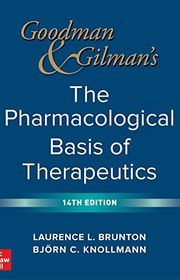
Goodman and Gilman's The Pharmacological Basis of Therapeutics
For advanced students and professionals who need mechanisms explained in depth alongside physiology and disease. Its breadth exceeds the review books here, but it is too large for most readers to use as their sole exam guide.
What it's about
This pharmacology reference connects drug actions and therapeutic uses with physiology and disease processes. Edited by Laurence Brunton and Bjorn Knollmann, it examines major drug groups and their mechanisms, supported by tables and explanations linking foundational science with clinical practice.

Katzung & Trevor's Pharmacology Examination and Board Review
For students who understand the basics and want to test them before medical examinations. The questions and explanations make it more active than a reference text, though it works best with prior teaching rather than from zero.
What it's about
This pharmacology review combines concise summaries with practice questions and explanations for examination preparation. Topics include drug mechanisms, clinical uses, interactions, toxicity, and pharmacokinetics, with checklists and comprehensive practice examinations supporting review across the subject's major areas.

For medical students who learn mechanisms through pictures and want an organized first review. The illustrated outlines are easier to revisit than the large references, though complex topics sometimes need a fuller explanation alongside them.
What it's about
Karen Whalen presents pharmacology through an illustrated outline designed for study and review. Diagrams explain drug mechanisms, while concise summaries and questions with answers help readers revisit foundational concepts and connect drug actions with their uses.
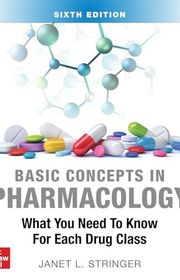
Basic Concepts in Pharmacology
For students overwhelmed by separate facts who need a repeatable way to study each drug class. Its organizing framework is clearer than a large reference's breadth, though it cannot replace that reference's detailed explanations.
What it's about
This introductory guide organizes pharmacology around drug classes, their mechanisms and the facts that distinguish individual medicines. Tables, illustrations and structured summaries help students connect uses, adverse effects and interactions instead of treating them as unrelated lists.

For students who prefer dense outlines and question practice to long narrative chapters. Its compact organization helps compare drug classes during revision, though the relatively sparse illustrations are a disadvantage if diagrams are how you learn.
What it's about
Gary Rosenfeld and David Loose summarize how drugs act on the body's major systems. Designed for course review and licensing examination preparation, the outline covers mechanisms, therapeutic uses, and adverse effects, supported by drug tables and explained practice questions.
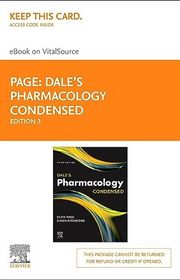
Dale's Pharmacology Condensed
For students who like Rang and Dale's approach but need a shorter recap. The brief illustrated chapters make core concepts easier to revisit, though their compression leaves less room for nuance and extended explanations.
What it's about
A compact companion to the larger Rang and Dale textbook, this guide presents core pharmacological concepts in short illustrated chapters. It connects mechanisms with therapeutic information and includes questions to support review of the main drug groups.

Essentials of Medical Pharmacology
For students whose medical course is built around Tripathi, especially in an Indian curriculum. It brings broad drug coverage and therapeutic exercises together, though the dense presentation is less inviting than an illustrated review.
What it's about
K. D. Tripathi introduces pharmacological principles before examining drugs used across the body's systems. The textbook also covers antimicrobials, chemotherapy, vaccines, and other drug groups, with therapeutic decision-making exercises, illustrations, and tables supporting students' study of medical pharmacology.

Goodman and Gilman Manual of Pharmacology and Therapeutics
For readers who want the Goodman and Gilman approach in a more manageable reference. It keeps the connection between pharmacological principles and treatment, though the compression loses the fuller work's detail and older editions need careful checking.
What it's about
Randa Hilal-Dandan and Laurence Brunton present a concise pharmacology reference derived from the larger Goodman and Gilman textbook. Organized around major drug classes and organ systems, it connects general pharmacological principles with therapeutic uses and clinical applications.
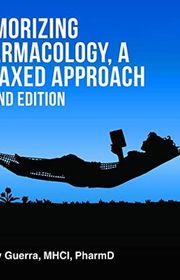
Memorizing Pharmacology
For students who understand the concepts but struggle to recall drug names and classifications. The memory-focused structure offers a different tool from mechanism-heavy textbooks, though recall practice alone won't supply a full account of drug action.
What it's about
Tony Guerra arranges commonly studied medicines into groups and manageable learning steps. Pronunciation help and memory strategies support recall, giving students a structured way to work through drug names and classifications alongside their main pharmacology course.

Pharmacology Made Incredibly Easy
For nursing students who want plain explanations before tackling denser texts. The emphasis on administration and patient considerations makes the material approachable, though the simplified presentation offers less molecular depth than the medical textbooks.
What it's about
Cherie Rebar's nursing pharmacology guide explains pharmacokinetics, pharmacodynamics, and therapeutic drug groups in accessible terms. Organized around body systems, it examines administration, adverse effects, patient assessment, and age-related considerations, with review questions supporting students' preparation and understanding.

Roach’s Introductory Clinical Pharmacology
For beginning nursing students who want pharmacology organized around their clinical responsibilities. The nursing-process approach keeps assessment and patient education visible, though it is less suitable for readers seeking research-level mechanisms or medical board preparation.
What it's about
Susan Ford approaches pharmacology through nurses' responsibilities in medication management and patient education. Cases, drug tables, and review questions connect basic principles with assessment, administration, interactions, and adverse reactions, using the nursing process to organize clinical considerations.
Sources
- 1
Pharmacology: Books
library.achehealth.edu
- 2
Recommended text books
lf2.cuni.cz
- 3
Suggested reading – An ABC of PK/PD
pressbooks.openeducationalberta.ca
- 4
Books for pharmacology
reddit.com
- 5
Top 10 Best Pharmacology Books For Medical Students
themdjourney.com
- 6
Pharmacology Books
goodreads.com
- 7
Health Sciences Textbooks: Pharmacology
libraryguides.missouri.edu
- 8
Best books and resources for Medical School Pharmacology and the Pharmacology NBME 2024
medschooladvice.com
- 9
Books & Guidelines - PBL Resource Guide
guides.library.unlv.edu
- 10
Any textbook recommendations for learning pharmacology?
reddit.com
- 11
Pharmacology - Medical Student Bookshelf
hslguides.med.nyu.edu




Edited by
Software engineer whose passion for tracking book recommendations from podcasts inspired the creation of MRB.
Lead investor at 3one4 Capital whose startup expertise and love for books helped shape MRB and its growth.
Comments
Spotted a missing book, a wrong order or a mistake? Tell us and we'll fix this page.
We're a reading guide, not the author or publisher, so we can't send books or pass on messages.