
19 Best Marriage Books
The best marriage books, ranked by how many expert sources recommend each one, with notes on who each suits, from engaged couples to longtime partners.
Our take
Marriage books can help couples talk about everyday habits, recurring arguments, emotional distance, or changes in desire. The most useful choice depends on the question you are trying to answer. Some books offer structured exercises for two people; others work as individual reflection, explain a therapeutic approach, or explore what love and commitment mean.
The Seven Principles for Making Marriage Work provides a broad starting point, while Eight Dates organizes conversations around specific subjects. Hold Me Tight concentrates on emotional connection, and Mating in Captivity examines the relationship between familiarity and desire. For a more focused concern, Marriage Meetings for Lasting Love offers a practical routine and Toxic In-Laws addresses extended family boundaries. Several books approach partnership through Christian teaching, so check whether that perspective fits your own. Start with one shared concern and a book whose format you will actually use, then leave time to discuss and practice what you read.
19 books · 7 sources · Last updated
As an Amazon Associate, we earn from qualifying purchases (at no extra cost to you).
How to choose from this list
Skip to the full rankingIf you want a broad practical start: The Seven Principles for Making Marriage Work → Eight Dates
If arguments keep repeating: Fight Right → Hold Me Tight
If you want to discuss desire: Come As You Are → Mating in Captivity
If household conversations need structure: Marriage Meetings for Lasting Love
If extended family is the main strain: Toxic In-Laws
If you want a Christian preparation guide: Saving Your Marriage Before It Starts
The 19 books, ranked
Ranked by how many expert sources name each book. Ties go to the book more people recommend.

For couples who want to understand the feelings beneath repeated arguments. Its focus on emotional connection distinguishes it from advice centered on household routines, though vulnerable conversations require willingness from both partners.
What it's about
Sue Johnson introduces seven conversations intended to strengthen a couple’s emotional bond. Drawing on emotionally focused therapy, she explores recurring conflict, vulnerable feelings, and the need for connection through examples, explanations, and exercises for partners.
Also recommended by
1 person Mark Manson recommended this book
Mark Manson
"[The author] realized that romantic relationships were largely driven by unconscious emotions and desires." - Mark Manson
Mark Manson's recommendation of this book

For couples who feel close but struggle with desire. It examines a tension that broader marriage guides often treat briefly, though its exploratory style offers fewer step-by-step exercises than a workbook.
What it's about
Esther Perel explores the tension between secure intimacy and erotic desire in long-term relationships. Drawing on her therapy practice, she examines familiarity, parenthood, and the desire for freedom, asking how couples might sustain passion together.
Also recommended by
1 person Dan Engle recommended this book
Dan Engle
"Such a good book about just deconstructing the whole idea of success in relationships." - Dan Engle
Dan Engle's recommendation of this book

The Seven Principles for Making Marriage Work
A Practical Guide from the Country's Foremost Relationship Expert
For couples who want a broad practical guide with exercises to do together. Its connection between everyday habits and recurring conflict provides a strong starting structure, though reading without practicing limits its usefulness.
What it's about
John Gottman and Nan Silver explain principles drawn from research on couples, emphasizing friendship, understanding, and constructive responses to conflict. This revised edition includes exercises for strengthening connection and working through recurring problems in marriage.
Also recommended by
1 person- Mark Manson recommended this book
Mark Manson
"Set off into territories unknown and brought quantifiable metrics and scientific rigor to an exotic academic subject: relationships." - Mark Manson
Mark Manson's recommendation of this book

For couples who want a concrete reason to set aside time for meaningful conversation. Its date-based structure makes getting started easier, though the prompts depend on both partners participating honestly rather than completing them mechanically.
What it's about
John and Julie Gottman, with Doug and Rachel Abrams, offer eight structured dates for conversations about trust, conflict, sex, money, family, adventure, spirituality, and dreams. Questions and practical guidance help couples discuss their needs and expectations.

For couples who want an easy vocabulary for discussing how they show affection. Its familiar categories can start useful conversations, though they work better as prompts than as fixed identities or a complete explanation of marriage.
What it's about
Gary Chapman proposes five ways people express and receive love: affirming words, time together, gifts, acts of service, and physical touch. Counseling examples illustrate his approach to understanding differences between partners and communicating affection.
Also recommended by
4 people Dustin Moskovitz recommended this book
Dustin Moskovitz
Dustin Moskovitz recommended this book on Twitter.
Dustin Moskovitz's recommendation of this book - Mark Manson recommended this book
Mark Manson
"Like the Harry Potter of relationship books." - Mark Manson
Mark Manson's recommendation of this book  Jay Shetty recommended this book
Jay Shetty
"Learn more about love languages in [this book]." - Jay Shetty
Jay Shetty's recommendation of this book  Patrick Bet-David recommended this book
Patrick Bet-David
Patrick Bet-David recommended this book on his website.
Patrick Bet-David's recommendation of this book

For couples interested in how earlier experiences shape recurring relationship patterns. Its guided dialogue offers a clear way to practice listening, though readers need to engage with the authors’ particular therapeutic framework.
What it's about
Harville Hendrix and Helen LaKelly Hunt explain their Imago approach to intimate relationships. Case studies and exercises explore how childhood experiences influence partnerships and offer methods for improving communication, understanding needs, and addressing recurring conflict.
Also recommended by
3 people Whitney Cummings recommended this book
Whitney Cummings
"A very illuminating exploration of how we’re attracted to people who have the negative qualities of our primary caretakers." - Whitney Cummings
Whitney Cummings's recommendation of this book  Julie Rice recommended this book
Julie Rice
"I definitely give people a lot of people [this book]." - Julie Rice
Julie Rice's recommendation of this book - Mark Manson recommended this book
Mark Manson
"I read [this book] about 10 years ago and it blew me away." - Mark Manson
Mark Manson's recommendation of this book

For readers who want a clearer understanding of sexual response and the effects of context. Its focus adds depth beyond general marriage advice, though it is not a comprehensive guide to communication or partnership.
What it's about
Emily Nagoski explains women's sexuality through research on desire, pleasure, and the role of context. The guide explores stress, mood, trust, and body image, encouraging readers to understand individual differences and reconsider assumptions about how sexual wellbeing works.
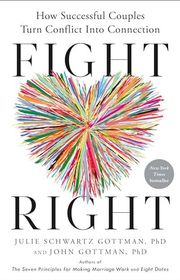
Fight Right: How Successful Couples Turn Conflict Into Connection
For couples who want to focus on how they argue rather than revisit every part of marriage. Its attention to conflict makes it more targeted than a general guide, though the exercises need active participation.
What it's about
Julie Schwartz Gottman and John Gottman examine how couples handle disagreement and the patterns that keep arguments going. They explain approaches to conflict that emphasize understanding, repair, and connection, with guidance for discussing difficult subjects together.

Saving Your Marriage Before It Starts
Seven Questions to Ask Before -- and After -- You Marry
For engaged couples who want to discuss expectations before marriage. Its question-based structure gives preparation a clear focus, though the Christian perspective and assumptions about partnership will not fit every couple.
What it's about
Les and Leslie Parrott organize marriage preparation around seven questions couples can discuss before and after their wedding. Topics include expectations, communication, conflict, money, intimacy, and lasting love, with chapter questions encouraging personal reflection.

The New Rules of Marriage
For couples who want direct challenges to entrenched ways of relating. Its emphasis on responsibility and intimacy offers more confrontation than gentle conversation prompts, though that blunt style may not suit every reader.
What it's about
Real presents strategies for repairing relationships and developing greater intimacy, drawing on his work with couples. Exercises and examples examine unproductive patterns, emotional disengagement, and communication, offering ways partners can approach conflict, honesty, and shared responsibility.
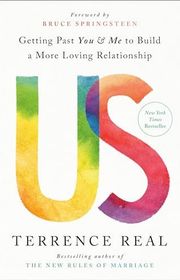
Us: Getting Past You and Me to Build a More Loving Relationship
For couples caught in scorekeeping who want to think more cooperatively about their relationship. Its direct challenge to individual defensiveness gives it a clear focus, though the confrontational tone may feel uncomfortable.
What it's about
Terrence Real explores how defensiveness, learned habits, and an emphasis on individual needs affect intimate relationships. Drawing on his work with couples, he presents ways to recognize recurring patterns and approach problems with greater cooperation.

For readers who prefer short, direct guidance to a long relationship theory. Its emphasis on changing your own responses makes it useful for individual reading, though the brief format leaves less space for nuance.
What it's about
Harriet Lerner offers more than one hundred guidelines for navigating long-term relationships. Her advice addresses communication, sexual differences, recurring conflict, and technology, encouraging readers to change their own behavior rather than wait for their partner to act.
Also recommended by
1 person Brené Brown recommended this book
Brené Brown
"This is the marriage book we’ve been waiting for!" - Brené Brown
Brené Brown's recommendation of this book

The Art of Loving
For readers who want to reflect on love as a practiced capacity. Its philosophical scope reaches beyond marriage advice, though it offers little direct help with concrete problems such as schedules, money, or household responsibilities.
What it's about
Erich Fromm treats love as an art requiring knowledge and practice. He explores love between parents and children, brotherly love, and religious love, linking the capacity to love with maturity, self-knowledge, courage, and disciplined effort.
Also recommended by
1 person Esther Perel recommended this book
Esther Perel
"I recently reread." - Esther Perel
Esther Perel's recommendation of this book

Essays In Love
For readers who prefer philosophical reflection carried by a fictional relationship. It makes familiar emotional habits easier to examine at a distance, though it is neither a practical workbook nor a guide to marriage repair.
What it's about
A young couple meets on a flight from Paris to London and begins a relationship. Alain de Botton combines their story with philosophical reflections on attraction, intimacy, insecurity, and the emotional puzzles of falling in love.

Loving Your Spouse When You Feel Like Walking Away
Real Help for Desperate Hearts in Difficult Marriages
For readers seeking a Christian perspective on a strained marriage. Its attention to feeling powerless may prompt reflection, though its approach is narrower than a neutral survey of relationship options or individualized support.
What it's about
Gary Chapman addresses troubled marriages through accounts of difficult relationships and practical responses to a spouse's behavior. He considers situations involving control, addiction, abuse, and infidelity while examining beliefs that can leave people feeling powerless.

Marriage Meetings for Lasting Love
30 Minutes a Week to the Relationship You've Always Wanted
For couples who want a regular structure for discussing appreciation, plans, and practical problems. Its repeatable meeting format suits busy households, though deeper emotional injuries may require more than a weekly conversation agenda.
What it's about
Marcia Naomi Berger proposes a weekly meeting for couples organized around appreciation, chores, enjoyable plans, and problems. Step by step guidance and relationship stories demonstrate how to conduct these conversations without interruptions.

The Normal Bar
For readers curious about how other couples organize affection, sex, and daily life. Its survey perspective broadens the conversation beyond one therapist’s examples, though reported habits cannot prescribe what any particular marriage needs.
What it's about
Chrisanna Northrup, Pepper Schwartz, and James Witte examine relationship habits through a large international survey. Findings about communication, affection, sex, fidelity, and finances inform practical suggestions for couples reconsidering what feels normal in their relationship.

For couples whose main difficulties involve extended family and boundaries. Its specific focus reaches problems that general marriage guides may skim, though readers with broader relationship concerns will need a more comprehensive companion.
What it's about
Susan Forward examines how critical, controlling, demanding, or rejecting in laws can strain a marriage. Personal accounts and communication strategies explore setting boundaries, responding to hurtful behavior, and working with a partner who struggles to challenge their parents.

Wired for Love
For couples interested in understanding conflict through attachment and feelings of safety. Its shared framework can make reactions easier to discuss, though the brain-based explanations simplify experiences that differ from person to person.
What it's about
Stan Tatkin draws on attachment theory, neuroscience, and emotion regulation to examine conflict between partners. Ten guiding principles explore recognizing threat responses, building security, and using words, gestures, and shared rituals to support a cooperative relationship.
Sources
- 1
21 Best Marriage Books
choosingtherapy.com
- 2
100 Best Marriage Books of All Time
shortform.com
- 3
Marriage & Couples Counseling Books Our Therapists Recommend
letstalk-counseling.com
- 4
Relationship Books We Recommend
couplescounselingchicago.net
- 5
7 best marriage books for newlyweds (and how to read them)
coupleship.app
- 6
Book recommendations
reddit.com
- 7
What’s the best book you’ve ever read on marriage?
reddit.com





Edited by
Software engineer whose passion for tracking book recommendations from podcasts inspired the creation of MRB.
Lead investor at 3one4 Capital whose startup expertise and love for books helped shape MRB and its growth.
Comments
Spotted a missing book, a wrong order or a mistake? Tell us and we'll fix this page.
We're a reading guide, not the author or publisher, so we can't send books or pass on messages.