
10 Best Painting Books
The best painting books, ranked by how many expert sources recommend each, with notes for beginners, landscape painters, portrait artists, and regular practice.
Our take
Painting books can teach you to see more clearly, organize a picture, handle a medium, or build a sustainable practice. Those goals overlap, but a composition reference will not provide the same kind of help as a watercolor workbook. Many books here emphasize representational oil painting, so consider both your subject and the kind of instruction that helps you learn.
Color and Light explains visual effects you can investigate in your own work. Landscape Painting concentrates on simplifying natural scenes, while Composition of Outdoor Painting studies their larger design. Alla Prima II connects technique with observation and judgment; Portrait Painting Atelier takes a more layered approach to the face. If getting started or finishing work is the main obstacle, Daily Painting offers a smaller practice format, and Everyday Watercolor gives beginners a structured sequence. Start with the problem visible in your own paintings, then pair reading with studies that let you test the ideas.
10 books · 8 sources · Last updated
As an Amazon Associate, we earn from qualifying purchases (at no extra cost to you).
How to choose from this list
Skip to the full rankingIf you want a consistent practice: Daily Painting
If you’re starting watercolor: Everyday Watercolor
If you want to understand illumination: Color and Light
If you want stronger landscapes: Landscape Painting → Composition of Outdoor Painting → Carlson's Guide to Landscape Painting
If you want broad representational instruction: Alla Prima II
If you want traditional oil portraits: Portrait Painting Atelier
The 10 books, ranked
Ranked by how many expert sources name each book. Ties go to the book more people recommend.

For painters who want to understand why colors change under different lighting conditions. The illustrated explanations make visual effects easier to investigate, though the book is a conceptual reference rather than a complete course in handling paint.
What it's about
James Gurney connects artistic observation with explanations of color and light for realist painters. Illustrated discussions examine how illumination reveals form, how pigments behave, and how atmospheric effects influence a scene, helping artists translate visual experience into painting.

Fill Your Oil Paintings with Light & Color
For oil painters who want a direct approach to observed light and color. The demonstrations connect economical brushwork with a clear visual impression, though the impressionistic emphasis offers less guidance for finely layered or highly detailed finishes.
What it's about
Kevin Macpherson demonstrates an impressionistic approach to oil painting through direct brushwork and observed color. Step-by-step guidance uses landscapes and still lifes to show how painters can capture light, atmosphere, and mood while working with the colors they see.

Landscape Painting
Essential Concepts and Techniques for Plein Air and Studio Practice
For landscape painters who want to simplify complex scenes before becoming absorbed in detail. Albala connects shapes, values, and color across outdoor and studio work, though the principles still require practice rather than yielding an automatic formula.
What it's about
Mitchell Albala explains how landscape painters translate complex natural scenes into organized pictures. His guidance connects simplified shapes and value patterns with color and light, addressing practical challenges that arise while painting outdoors and developing work in the studio.

For representational painters who want technique connected to careful observation and decisions at the easel. The expanded explanations offer substantial depth, though it rewards repeated practice and study more than a quick sequence of beginner projects.
What it's about
Richard Schmid expands his original instruction in representational painting with revised explanations, additional images, and step-by-step sequences. The enlarged treatment, including a more extensive discussion of color, combines technical knowledge with reflections on artistic practice and the painter's choices.
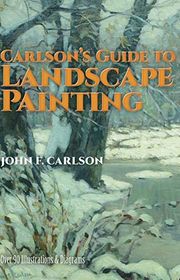
Carlson's Guide to Landscape Painting
For landscape painters who want a traditional explanation of values, masses, and the organization of natural scenes. The concentrated principles support thoughtful observation, though the older language and illustrations require more interpretation than a modern project-based guide.
What it's about
John F. Carlson explains landscape painting through observation, value relationships, composition, and the treatment of natural forms. His discussion connects trees, skies, land, and atmospheric effects with the decisions painters make when turning outdoor scenes into coherent pictures.

Composing Your Paintings
For readers who can paint individual objects but struggle to organize them into a convincing picture. Dunstan concentrates on visual relationships and arrangement, though the focus offers less help with materials or medium-specific techniques.
What it's about
Bernard Dunstan explains composition as a foundation of painting, addressing both beginners and experienced artists. His illustrated guide considers how harmony, contrast, and visual interest contribute to a picture, helping readers think about the arrangement of their paintings.

Composition of Outdoor Painting
For landscape painters who want to study the large design behind a scene. Payne’s composition patterns make structure easier to analyze, though the older presentation and rule-based examples need active interpretation rather than mechanical imitation.
What it's about
Edgar Payne examines composition in outdoor painting, connecting pictorial harmony with the artist's creative judgment. The book discusses principles for organizing a painting while encouraging readers to consider how those principles serve their individual intentions and artistic expression.

Daily Painting
Paint Small and Often To Become a More Creative, Productive, and Successful Artist
For painters who struggle to practice consistently or finish work. The small-painting approach makes experimentation and repetition manageable, though the format is less suited to readers primarily seeking a detailed method for large, highly finished canvases.
What it's about
Carol Marine encourages artists to make small works regularly as a way to experiment and overcome creative blocks. Lessons address composition, value, subject selection, and working habits, alongside practical guidance on photographing, posting, and selling artwork online.

For beginners who want a structured sequence of watercolor exercises instead of a large reference to browse. The guided projects make starting easier, though the thirty-day format is an organizing device rather than a deadline for mastering the medium.
What it's about
Jenna Rainey organizes watercolor practice into 30 daily lessons, beginning with foundational strokes, shapes, and patterns. Illustrated exercises build progressively toward finished paintings, offering beginners and developing artists a structured way to explore technique and develop their own style.

For readers who want a systematic introduction to traditional layered oil portraiture. The demonstrations connect anatomy, materials, and skin tones, though the slow build-up and controlled finish differ from the more direct painting approaches elsewhere here.
What it's about
Suzanne Brooker teaches traditional oil portraiture through layered painting methods, facial anatomy, composition, and materials. Seven detailed demonstrations connect Old Master techniques with contemporary practice, explaining how transparent shadows and more densely painted lights create unified skin tones and luminous effects.
Sources
- 1
Top 10 Best Books on Painting
sophieploeg.com
- 2
Best Painting Books of 2020
jacksonsart.com
- 3
Painting Books
goodreads.com
- 4
100 Best Painting Books of All Time
shortform.com
- 5
Book recommendations to improve your painting?
reddit.com
- 6
The Top 5 Painting Books
virtualartacademy.com
- 7
Top 10 Painting Books for Aspiring Artists
drawpaintacademy.com
- 8
16 Best Books for Learning to Paint of 2023
diys.com



Edited by
Software engineer whose passion for tracking book recommendations from podcasts inspired the creation of MRB.
Lead investor at 3one4 Capital whose startup expertise and love for books helped shape MRB and its growth.
Comments
Spotted a missing book, a wrong order or a mistake? Tell us and we'll fix this page.
We're a reading guide, not the author or publisher, so we can't send books or pass on messages.