
10 Best Fly Fishing Books
The best fly fishing books, ranked by how many expert sources recommend each one, with notes on who each suits, from beginner guides to angling stories.
Our take
Fly-fishing books can teach you what to do on the water or explain why people keep returning to it. This selection includes beginner instruction, practical reminders, travel ideas, essays, fiction, and a true-crime investigation linked to fly-tying. Those are different reading experiences, so choose according to whether you want to improve a skill, imagine a trip, or spend time in another angler’s company.
The Orvis Guide to Beginning Fly Fishing provides a manageable introduction, while The Orvis Fly-Fishing Guide offers broader coverage. The Little Red Book of Fly Fishing suits short sessions of practical learning. For a literary approach, try the essays in The Longest Silence or Trout Bum, the stories in A River Runs through It and Other Stories, or the novel The River Why. The Feather Thief explores a collecting obsession rather than fishing technique. Start with an instructional guide if you are new, then choose a narrative for time away from the water.
10 books · 8 sources · Last updated
As an Amazon Associate, we earn from qualifying purchases (at no extra cost to you).
How to choose from this list
Skip to the full rankingIf you're completely new to fly fishing: The Orvis Guide to Beginning Fly Fishing → The Orvis Fly-Fishing Guide
If you want practical tips to revisit: The Little Red Book of Fly Fishing
If you want reflective angling essays: Trout Bum → The Longest Silence
If you want fishing fiction: The River Why
If you want ideas for a fishing trip: Fifty Places to Fly Fish Before You Die
If you want true crime connected to fly-tying: The Feather Thief
The 10 books, ranked
Ranked by how many expert sources name each book. Ties go to the book more people recommend.
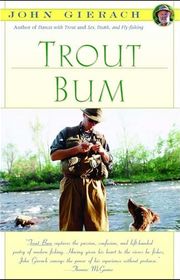
Trout Bum
For readers who want humorous essays about making fishing central to ordinary life. Gierach’s conversational perspective complements the more expansive travel writing here, though the book is an account of an angler’s outlook rather than instruction.
What it's about
John Gierach reflects on fly fishing in the Rocky Mountains through essays about trips, companions, trout, and the habits of dedicated anglers. Humor and observations of the natural world turn everyday fishing experiences into a portrait of an absorbing way of life.
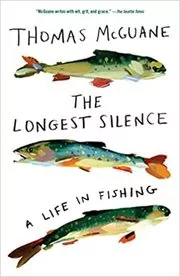
For readers who want reflective essays about a lifetime on the water. McGuane’s range of places and experiences broadens the perspective beyond trout streams, though technique comes through observation rather than a structured teaching sequence.
What it's about
These essays follow McGuane from Florida tarpon to Montana trout and beyond, tracing a lifetime in fishing. The book mixes travel, lore, technique, and reflection, with plenty of humor about the beautiful madness of anglers.

A River Runs through It and Other Stories
For readers who want fishing woven into family, work, and a particular landscape. The story collection offers a literary experience beyond the technique guides here, though it will not teach casting or fly selection.
What it's about
Norman Maclean's collection draws on life in western Montana, bringing together stories of fly-fishing, logging, and firefighting. Its characters navigate work, landscape, and family relationships in a world shaped by rivers, forests, and mountain communities.

The Feather Thief
Beauty, Obsession, and the Natural History Heist of the Century
For readers intrigued by the collecting culture surrounding salmon fly-tying. Johnson’s true-crime investigation offers an unusual view of obsession and conservation, though it provides little instruction for catching fish or tying your own flies.
What it's about
Kirk Wallace Johnson investigates a theft of rare bird specimens from the Natural History Museum at Tring. The search leads into the world of salmon fly-tying, connecting a bizarre crime with collecting, obsession, and conservation.

The Little Red Book of Fly Fishing
For anglers who like practical advice in short sessions. Kirk Deeter and Charlie Meyers make individual improvements easy to revisit, though the tip-based format is less systematic than a beginner’s course or a comprehensive reference.
What it's about
Kirk Deeter and Charlie Meyers share 240 concise fly-fishing tips drawn from reporting, interviews, and angling experience. The guide covers casting, presenting flies, reading water, and selecting patterns, offering practical ideas for both novice and experienced fishers.

The River Why
For readers who enjoy fiction about identity, relationships, and the pull of rivers. Duncan gives fishing a wider emotional and philosophical setting, though the novel’s digressions offer a different experience from a concise angling essay.
What it's about
Young fly fisherman Gus Orviston leaves his family for a remote Pacific Northwest cabin, intending to devote himself to fishing. His pursuit of steelhead becomes a broader search for identity, connection, and meaning in the natural world.

The Orvis Fly-Fishing Guide
For readers who want one substantial introduction covering equipment, presentation, and different fishing settings. Rosenbauer offers broader reference coverage than a short tips book, though casting skills still need practice and benefit from direct feedback.
What it's about
Tom Rosenbauer explains fly fishing through tackle selection, casting, fly patterns, presentation, and techniques for different waters. The illustrated guide covers freshwater and saltwater species, with discussions of equipment care, stream etiquette, and conservation.

For absolute beginners who want a manageable starting point before a larger reference. Its focused tips make unfamiliar equipment and terminology less intimidating, though the concise treatment leaves specialist methods for later reading and practice.
What it's about
Tom Rosenbauer introduces fly fishing through practical tips on assembling tackle, casting, choosing flies, and tying knots. Illustrations and photographs accompany guidance on finding fish in different waters, angling terminology, safety, and fishing ethics.

Where the Trout Are All as Long as Your Leg
For readers drawn to fishing places and the people who make them memorable. Gierach’s informal essays offer companionship and observation rather than a technical course, though the deliberately unhurried pace suits browsing better than quick answers.
What it's about
John Gierach reflects on fishing, nature, and life through essays about cherished and secret places. Memories range from childhood catches to Montana streams and private ponds, exploring the appeal and vulnerability of unspoiled fishing waters.

Fifty Places to Fly Fish Before You Die
For anglers imagining where to travel next rather than learning their first cast. Its range of destinations and personal recommendations encourages exploration, though trip logistics, access, and local rules need current checking before you plan.
What it's about
Chris Santella gathers fly-fishing destinations recommended by experienced anglers through interviews and fifty essays. Photographs, local history, personal stories, and travel and tackle information introduce fishing locations around the world and help readers imagine possible trips.
Sources
- 1
The 10 Best Fly Fishing Books of All Time
thewadinglist.com
- 2
The 5 Best Fly Fishing Books Every Angler Should Read
si.com
- 3
Best Fly Fishing Books: Picks from the Club’s Bookshelf for World Book Day
olympicflyfishers.com
- 4
Fly Fishing Books
goodreads.com
- 5
What are the Best Books on Fly Fishing?
reddit.com
- 6
Reading recs
reddit.com
- 7
Top 5 Best Fly Fishing Books
intoflyfishing.com
- 8
15 Must-Read Fly Fishing Books (How to and Fiction)
guiderecommended.com



Edited by
Software engineer whose passion for tracking book recommendations from podcasts inspired the creation of MRB.
Lead investor at 3one4 Capital whose startup expertise and love for books helped shape MRB and its growth.
Comments
Spotted a missing book, a wrong order or a mistake? Tell us and we'll fix this page.
We're a reading guide, not the author or publisher, so we can't send books or pass on messages.