
19 Best Nature Books
The best nature books, ranked by how many expert sources recommend each one, with notes to help you choose between science, memoir, fiction, and close observation.
Our take
Nature writing can begin with a single patch of ground or follow a journey across continents. These books explore wildlife, landscapes, ecological relationships, and the ways people understand their place among other living things. Some explain research; others use memoir, essays, or fiction to make a place vivid. A book about a long walk can be as concerned with grief or friendship as with the trail itself.
The differences matter when choosing a starting point. Entangled Life follows fungi through contemporary scientific inquiry, while A Sand County Almanac connects observation with conservation ethics. Braiding Sweetgrass brings botany into conversation with Indigenous knowledge and reciprocity. For concentrated attention to place, try The Living Mountain or Pilgrim at Tinker Creek. Wild and H Is for Hawk make personal loss central, while the novels offer imagined encounters with the natural world. Begin with Entangled Life for scientific curiosity or The Living Mountain for a short, reflective immersion.
19 books · 10 sources · Last updated
As an Amazon Associate, we earn from qualifying purchases (at no extra cost to you).
How to choose from this list
Skip to the full rankingIf you want accessible research about ecological relationships: Entangled Life
If you want ethics grounded in land and plants: Braiding Sweetgrass → A Sand County Almanac
If you want close observation of one place: The Living Mountain → Pilgrim at Tinker Creek
If you want an outdoor memoir about grief: Wild → H Is for Hawk
If you want environmental history: Silent Spring
If you want wildlife conservation fieldwork: Owls of the Eastern Ice
The 19 books, ranked
Ranked by how many expert sources name each book. Ties go to the book more people recommend.
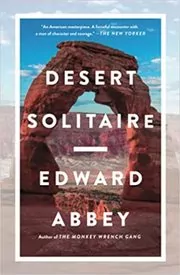
For readers who want desert observation joined to an argument about wilderness. Abbey's anger gives the environmental criticism unusual force, though his abrasive opinions can be as prominent as the landscapes he describes.
What it's about
Desert Solitaire recounts Abbey's seasons as a backcountry ranger at Arches in the late 1950s. Vivid portraits of snakes, canyons, storms, and lonely camp shifts lead into attacks on roads, dams, and the spread of industrial tourism in wild places.
Also recommended by
1 person Maria Popova recommended this book
Maria Popova
"So powerful, so enduring, so fiercely necessary today." - Maria Popova
Maria Popova's recommendation of this book
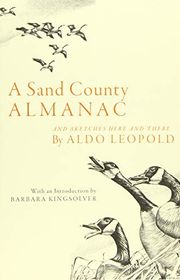
A Sand County Almanac
For readers who want an ethical framework grounded in everyday land observation. The seasonal essays connect specific encounters with a wider conservation argument, though the historical American setting and hunting perspective will feel unfamiliar to some readers.
What it's about
Leopold combines seasonal observations of a Wisconsin landscape with sketches from other places and reflections on conservation. Encounters with plants, animals, and land lead toward questions about human responsibility within the wider living community.
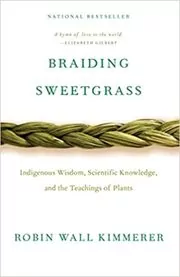
Braiding Sweetgrass
Indigenous Wisdom, Scientific Knowledge and the Teachings of Plants
For readers who want botanical knowledge connected with reciprocity and everyday responsibility. Its blend of Indigenous teaching, science, and personal essays offers a broader relationship with plants, though the reflective structure rewards unhurried reading.
What it's about
Kimmerer braids personal stories, botany, and Potawatomi teachings into essays about what plants can teach us about reciprocity, gratitude, and care. It asks readers to see the living world as kin, not backdrop.

Pilgrim at Tinker Creek
For readers who enjoy close observation turning into philosophical inquiry. Dillard gives ordinary surroundings an intensity that expedition books seek farther away, though the dense imagery and confrontations with cruelty can unsettle readers seeking gentle nature writing.
What it's about
Annie Dillard records a year's exploration of the natural world around Tinker Creek in Virginia. Encounters with animals, insects, water and changing seasons become occasions for examining the beauty, violence and mystery she finds in her surroundings.
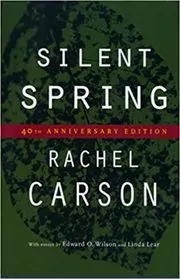
Silent Spring
For readers who want to understand a formative argument in environmental protection. The clear connection between chemical use and ecological consequences gives it historical force, though its examples belong to an earlier scientific and regulatory era.
What it's about
Carson examines what widespread pesticide use, especially DDT, was doing to birds, waterways, and human health. It is a clear, unsettling case against chemical shortcuts and a turning point in environmental writing.

Walden
For readers interested in the relationship between simplicity, independence, and close observation. Its philosophical ambition reaches beyond a conventional outdoor memoir, though the nineteenth-century prose and extended digressions require a patient reading pace.
What it's about
Henry David Thoreau reflects on living in a small cabin beside Walden Pond, combining practical details with observations of nature. His account examines simplicity, work, solitude, and deliberate living, questioning the habits and material priorities of society.
Also recommended by
3 people Emma Watson recommended this book
Emma Watson
On the "books read" section of Emma Watson's GoodReads profile.
Emma Watson's recommendation of this book  Michael Pollan recommended this book
Michael Pollan
"For its bracing prose as much as anything else. I’ve been arguing with [the author] for most of my career." - Michael Pollan
Michael Pollan's recommendation of this book  Shane Parrish recommended this book
Shane Parrish
"A reflection on simplicity." - Shane Parrish
Shane Parrish's recommendation of this book

For readers who want humor alongside an introduction to long-distance walking. The companionable mishaps make the trail approachable in a way the more meditative books don't, though the comic voice sometimes overshadows the landscape.
What it's about
Bryson attempts to hike the Appalachian Trail with his out-of-shape and recovering alcoholic friend, Stephen Katz. Facing bears, bugs, and difficult terrain, the duo delivers a hilarious account of friendship and the American wilderness.
Also recommended by
1 person Tim Ferriss recommended this book
Tim Ferriss
"A great way to invigorate." - Tim Ferriss
Tim Ferriss's recommendation of this book

H Is for Hawk
For readers drawn to the complicated overlap of grief and animal companionship. Its attention to a hawk's otherness avoids a simple comforting-pet story, though the emotional intensity and literary digressions make it demanding.
What it's about
After her father's sudden death, Helen Macdonald turns to training a goshawk named Mabel. Her memoir intertwines grief, falconry, and reflections on T. H. White, exploring the desire to retreat into wildness and the difficulty of returning.
Also recommended by
1 person Barack Obama recommended this book
Barack Obama
Barack Obama's "2016 Summer Reading List."
Barack Obama's recommendation of this book
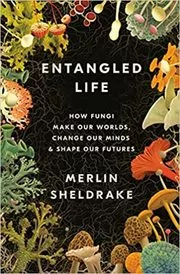
For readers curious about fungi and their connections with other life. The accessible experiments and research reporting reveal relationships often missing from landscape memoirs, though some frontier ideas remain provisional rather than settled explanations.
What it's about
Merlin Sheldrake explores the hidden world of fungi and their relationships with plants, people, and entire ecosystems. Scientific research and personal encounters introduce organisms that challenge familiar ideas about individuality, intelligence, and the possibilities of environmental restoration.
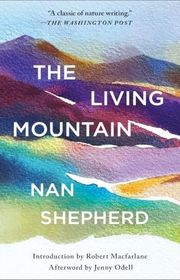
The Living Mountain
For readers who prefer lingering in one landscape to following a dramatic expedition. Shepherd's sensory attention offers a compact study of familiarity and perception, though the quiet, meditative structure provides little conventional plot or destination.
What it's about
Nan Shepherd describes decades of walking in Scotland's Cairngorm Mountains, attending to water, stone, weather, plants, and bodily sensation. Rather than recounting a single ascent, she explores how repeated encounters can deepen a person's knowledge of place.

For readers who want geology and hidden environments connected with cultural memory. Its movement across deep time gives the journeys unusual scope, though the layered references and underground settings can make it a dense read.
What it's about
Traveling through caves, glaciers, ancient burial sites, and other hidden environments, Robert Macfarlane investigates the worlds beneath our feet. His encounters connect geology and ecological relationships with human memory, mortality, and responsibility for the planet's distant future.

For readers who want an outdoor journey centered on personal upheaval. The physical vulnerability makes the memoir more intimate than the ecological surveys, though grief and self-reckoning occupy as much space as the trail.
What it's about
After her mother's death and the collapse of her marriage, Cheryl Strayed impulsively sets out to hike the Pacific Crest Trail alone. With little preparation, she confronts the physical demands of the journey alongside the losses she carries.
Also recommended by
5 people- Emma Watson recommended this book
Emma Watson
"I have devoured [this book]." - Emma Watson
Emma Watson's recommendation of this book - Tim Ferriss recommended this book
Tim Ferriss
"One of my favorites." - Tim Ferriss
Tim Ferriss's recommendation of this book  Oprah Winfrey recommended this book
Oprah Winfrey
"About the difference between deciding to do something and really having to do it." - Oprah Winfrey
Oprah Winfrey's recommendation of this book  Liz Lambert recommended this book
Liz Lambert
Liz Lambert mentioned this book on "The Tim Ferriss Show" podcast.
Liz Lambert's recommendation of this book - Shane Parrish recommended this book
Shane Parrish
"Ran me through the range of emotions from happy to crying." - Shane Parrish
Shane Parrish's recommendation of this book

Where the Crawdads Sing
For readers who want an atmospheric novel in which landscape shapes an outsider's life. The marsh gives the mystery a strong physical setting, though romance and crime take more space than ecological explanation.
What it's about
On the North Carolina coast, Kya Clark grows up alone in the marsh after her family abandons her. Years later, when a local golden boy dies, suspicion falls on the outsider everyone calls the Marsh Girl.
Also recommended by
1 person Reese Witherspoon recommended this book
Reese Witherspoon
"Romance, mystery, & a murder all follow a young girl named Kya after she’s abandoned from her family in the marshes of North Carolina." - Reese Witherspoon
Reese Witherspoon's recommendation of this book

For readers interested in how race and motherhood shape encounters with place. The essays widen nature writing beyond solitary wilderness travel, though the natural world shares attention with family experience, history, and social observation.
What it's about
Camille T. Dungy reflects on traveling as a working poet and mother with her young daughter. Encounters across America and beyond connect the intimate experience of raising a Black girl with questions of race, history, belonging, and the natural world.

For readers curious about research on people's relationship with the living world. Its blend of reporting and personal experience is more investigative than a walking memoir, though the range of studies does not yield a universal prescription.
What it's about
Lucy Jones investigates the relationship between contact with nature and psychological well-being. Combining personal experience with research and travel, she explores what people lose through separation from the living world and argues for renewed connections with it.

My Side of the Mountain
For younger readers who want an adventurous introduction to self-reliance and close observation. The imagined forest life makes practical ingenuity engaging, though its appealing independence should not be treated as a realistic guide to living alone outdoors.
What it's about
Tired of life in a crowded New York City apartment, Sam Gribley leaves home for the Catskill Mountains. He settles on his family's abandoned land, where ingenuity and knowledge of the forest become essential to living on his own.

Life of Pi
For readers who prefer nature through imaginative fiction and questions of belief. The animal encounter opens a different path into human dependence and vulnerability, though this is a philosophical survival novel rather than natural-history reporting.
What it's about
Sixteen-year-old Pi Patel survives a shipwreck and is stranded on a lifeboat in the Pacific with Richard Parker, a Bengal tiger. His fight for food, water, and coexistence becomes a searching story about faith and the tales people choose to believe.
Also recommended by
1 person Michelle Obama recommended this book
Michelle Obama
"I reread [this book] with the girls, too." - Michelle Obama
Michelle Obama's recommendation of this book

For readers who want to see what wildlife conservation looks like in practice. The difficult fieldwork gives the research more narrative momentum than an overview, though its sustained focus on one species limits the wider survey.
What it's about
Jonathan C. Slaght recounts fieldwork in Russia's Far East to study and protect Blakiston's fish owl. Difficult journeys, nighttime monitoring, and encounters with local residents reveal the practical uncertainties of conservation research and the bird's dependence on a threatened habitat.

The Grassling
For readers who enjoy language, family memory, and attention to small features of a landscape. Its intimate scale offers a different rhythm from expedition narratives, though the associative writing is less direct than a scientific account.
What it's about
Elizabeth-Jane Burnett explores memory and natural history through the Devon landscape associated with her family. Prompted by her father's declining health and his village history, she examines the connections between land, language, identity, and inherited experience.
Sources
- 1
Staff Book Recommendations: The Ultimate Reading List on Nature, Wildlife & Wanderlust
nathab.com
- 2
10 Best Nature Books
themanual.com
- 3
100 Best Nature Books of All Time (Updated for 2026)
shortform.com
- 4
Nature Writing (258 books)
goodreads.com
- 5
The Best Books on Wild Places
fivebooks.com
- 6
Recommend me some nature writing
reddit.com
- 7
Best nature writing
reddit.com
- 8
The best books for nature lovers
penguin.co.uk
- 9
20 Must-Read Books for Nature Lovers
bookriot.com
- 10
21 of the best wildlife and nature books for 2025
sciencefocus.com





Edited by
Software engineer whose passion for tracking book recommendations from podcasts inspired the creation of MRB.
Lead investor at 3one4 Capital whose startup expertise and love for books helped shape MRB and its growth.
Comments
Spotted a missing book, a wrong order or a mistake? Tell us and we'll fix this page.
We're a reading guide, not the author or publisher, so we can't send books or pass on messages.