
43 Best Adventure Books
The best adventure books, ranked by how many expert sources recommend each one, with notes to help you choose quests, survival accounts, or reflective travel.
Our take
Adventure books take many forms beyond a fast journey into danger. A fictional quest can test a character’s loyalties, a true survival account can expose the consequences of decisions, and a travel memoir can turn unfamiliar places into questions about how to live. Some books move quickly from one obstacle to the next; others ask you to pause over landscape, history, or an argument.
For a clear fictional starting point, Treasure Island offers pirates and uncertain alliances, while The Hobbit builds a fantasy journey around an unlikely traveler. The Martian makes problem solving central to survival in space. The nonfiction ranges from the shared ordeal of Endurance to the personal reckoning of Wild and the comic hiking of A Walk in the Woods. Longer classics such as Moby Dick and The Count of Monte Cristo reward a different pace. Start with Treasure Island for fiction or Endurance for a true story, then choose by setting and reading style.
43 books · 8 sources · Last updated
As an Amazon Associate, we earn from qualifying purchases (at no extra cost to you).
How to choose from this list
Skip to the full rankingIf you want an approachable classic adventure: Treasure Island
If you want a fantasy quest: The Hobbit
If you want practical problem solving in fiction: The Martian
If you want a true survival account: Endurance → Into Thin Air
If you want reflective or comic hiking: Wild → A Walk in the Woods
If you want a long revenge adventure: The Count of Monte Cristo
The 43 books, ranked
Ranked by how many expert sources name each book. Ties go to the book more people recommend.

For readers who want a personal reckoning alongside a long hike. Grief and memory give the physical journey its emotional weight, though those reflections occupy substantial space if you mainly want trail description or outdoor technique.
What it's about
After her mother's death and the collapse of her marriage, Cheryl Strayed impulsively sets out to hike the Pacific Crest Trail alone. With little preparation, she confronts the physical demands of the journey alongside the losses she carries.
Also recommended by
5 people Emma Watson recommended this book
Emma Watson
"I have devoured [this book]." - Emma Watson
Emma Watson's recommendation of this book  Tim Ferriss recommended this book
Tim Ferriss
"One of my favorites." - Tim Ferriss
Tim Ferriss's recommendation of this book  Oprah Winfrey recommended this book
Oprah Winfrey
"About the difference between deciding to do something and really having to do it." - Oprah Winfrey
Oprah Winfrey's recommendation of this book  Liz Lambert recommended this book
Liz Lambert
Liz Lambert mentioned this book on "The Tim Ferriss Show" podcast.
Liz Lambert's recommendation of this book  Shane Parrish recommended this book
Shane Parrish
"Ran me through the range of emotions from happy to crying." - Shane Parrish
Shane Parrish's recommendation of this book

For readers who want a close account of how ambition and judgment interact on a crowded mountain. Krakauer combines personal involvement with reporting, though his perspective is one participant’s account of events that remain disputed.
What it's about
Krakauer's firsthand account of the 1996 Mount Everest disaster follows a commercial expedition caught in a deadly storm. It examines the climbers' decisions, the brutal effects of altitude, and the guilt carried by those who survived.
Also recommended by
2 people Richard Branson recommended this book
Richard Branson
Richard Branson recommended this book on his "70 must-read books" blog post.
Richard Branson's recommendation of this book  James Clear recommended this book
James Clear
"[One of] the 10 best nonfiction books of all-time." - James Clear
James Clear's recommendation of this book

Life of Pi
For readers who want survival fiction that also questions belief and storytelling. The lifeboat setting gives philosophical ideas concrete pressure, though the shifts in tone and interpretive ending may disappoint readers expecting a purely realistic ordeal.
What it's about
Sixteen-year-old Pi Patel survives a shipwreck and is stranded on a lifeboat in the Pacific with Richard Parker, a Bengal tiger. His fight for food, water, and coexistence becomes a searching story about faith and the tales people choose to believe.
Also recommended by
1 person Michelle Obama recommended this book
Michelle Obama
"I reread [this book] with the girls, too." - Michelle Obama
Michelle Obama's recommendation of this book
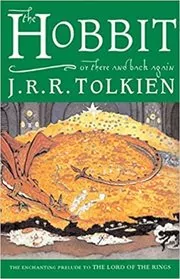
For readers who want a self contained fantasy quest with humor and a hesitant hero. Its clear journey makes an approachable introduction to Tolkien, though the episodic encounters and narrator’s asides can feel more like a tale told aloud.
What it's about
Bilbo Baggins, a comfort‑loving hobbit, is swept into an unlikely quest with a band of dwarves and the wizard Gandalf to reclaim a stolen treasure from the dragon Smaug, discovering courage and a mysterious ring along the way.
Also recommended by
2 people Jon Favreau recommended this book
Jon Favreau
"It was an important book to me." - Jon Favreau
Jon Favreau's recommendation of this book - Richard Branson recommended this book
Richard Branson
Richard Branson recommended this book on his "70 must-read books" blog post.
Richard Branson's recommendation of this book
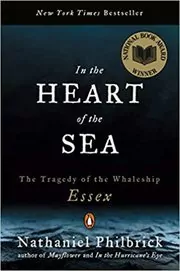
For readers who want maritime history woven into an ordeal at sea. The whaling industry and Nantucket community give the disaster context, though the account of starvation and cannibalism makes it an especially difficult read.
What it's about
This National Book Award winner tells the true story of the whaleship Essex, sunk by a furious sperm whale in 1820, and follows the stranded crew's three-month struggle in open boats, connecting their ordeal to the world that produced Moby-Dick.
Also recommended by
1 person- Richard Branson recommended this book
Richard Branson
Richard Branson recommended this book on his "70 must-read books" blog post.
Richard Branson's recommendation of this book

Into the Wild
For readers interested in the motives behind rejecting ordinary life. Its interviews and reconstruction complicate easy judgments about McCandless, though the author’s personal parallels and incomplete evidence leave room for disagreement about his interpretation.
What it's about
Jon Krakauer retraces the path of Christopher McCandless, who gave up his savings, adopted the name Alexander Supertramp, and headed west. It follows his search for freedom, the people he met, and the choices that took him into Alaska's backcountry.
Also recommended by
1 person Gretchen Rubin recommended this book
Gretchen Rubin
Gretchen Rubin mentioned this book on "The Tim Ferriss Show" podcast.
Gretchen Rubin's recommendation of this book
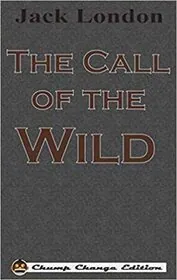
The Call of the Wild
For readers who want a short, intense wilderness story from an animal’s perspective. Buck’s changing loyalties give the adventure emotional force, though the repeated cruelty and violence make it tougher than its frequent children’s editions suggest.
What it's about
Stolen from a comfortable home in California and sold into the Yukon sled dog trade, Buck is forced to learn the brutal law of club and fang. As the trail hardens him and the wild calls more strongly, he must choose between loyalty to men and freedom in the wilderness.

For readers who want group survival and leadership under sustained pressure. Its reconstruction keeps the crew’s shared predicament in focus, though the emphasis on determination gives less space to questioning the expedition’s original ambitions.
What it's about
Alfred Lansing recounts the Antarctic expedition that left Shackleton and his crew stranded when their ship was crushed by ice. Their survival depends on endurance, leadership, and a dangerous voyage across the Southern Ocean in search of help.
Also recommended by
10 people Ray Dalio recommended this book
Ray Dalio
Ray Dalio can be seen reading this book on the article's main image.
Ray Dalio's recommendation of this book  Sam Altman recommended this book
Sam Altman
One of Sam Altman's answers to "What are some of the best books you recommend for a young startup founder?"
Sam Altman's recommendation of this book  Bryan Johnson recommended this book
Bryan Johnson
"How I want to behave in life." - Bryan Johnson
Bryan Johnson's recommendation of this book  Ryan Holiday recommended this book
Ryan Holiday
"This book (and his life) were living proof of his family motto: 'Fortitudine vincimus' (By endurance we conquer)." - Ryan Holiday
Ryan Holiday's recommendation of this book  Scott Belsky recommended this book
Scott Belsky
"Just a phenomenal story." - Scott Belsky
Scott Belsky's recommendation of this book  Max Levchin recommended this book
Max Levchin
Max Levchin recommended this book on LinkedIn.
Max Levchin's recommendation of this book +4
More recommendations
- Fred Wilson
"An insipring story!" - Fred Wilson
- Jason Fried
"Amazing story of perseverance and leadership against all odds. Riveting book." - Jason Fried
- Dominic D'Agostino
"Great book!" - Dominic D'Agostino
- Jordan Peterson
"Read [this] book." - Jordan Peterson
- Fred Wilson
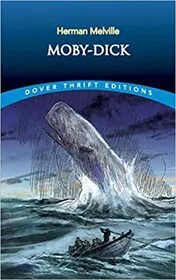
Moby Dick
For readers who want a sea voyage to open into questions of obsession, belief, and authority. Its range is far greater than a straightforward chase story, though the whaling detail and long digressions demand slow reading.
What it's about
Sailor Ishmael ships aboard the whaling vessel Pequod and watches Captain Ahab drive his crew on a relentless hunt for the white whale that maimed him. Part sea adventure, part meditation on fate and obsession, this novel rewards slow, immersive reading.
Also recommended by
6 people Steve Jobs recommended this book
Steve Jobs
Walter Isaacson said this was one of Steve Jobs' favorite books growing up.
Steve Jobs's recommendation of this book  Barack Obama recommended this book
Barack Obama
On the "favorite books" section of Barack Obama's Facebook profile.
Barack Obama's recommendation of this book  PewDiePie recommended this book
PewDiePie
"I'm probably not really ready for it yet, but I'm really glad I read it." - PewDiePie
PewDiePie's recommendation of this book  Chimamanda Ngozi Adichie recommended this book
Chimamanda Ngozi Adichie
"The classic I am supposed to have read but have had difficulty getting past the first page." - Chimamanda Ngozi Adichie
Chimamanda Ngozi Adichie's recommendation of this book  Penn Jillette recommended this book
Penn Jillette
"My favorite book." - Penn Jillette
Penn Jillette's recommendation of this book  Jack Edwards recommended this book
Jack Edwards
"Classic." - Jack Edwards
Jack Edwards's recommendation of this book

The Odyssey
For readers who want a foundational voyage full of danger, disguise, and difficult homecomings. Its episodes connect adventure with loyalty and identity, though an unfamiliar translation or the epic’s shifting chronology can make the opening demanding.
What it's about
Homer's epic follows Odysseus on his long journey home after the Trojan War. Separated from his family and facing unfamiliar dangers, he must rely on cunning and endurance as he struggles to return to the life he left behind.
Also recommended by
6 people Tim O’Reilly recommended this book
Tim O’Reilly
Tim O’Reilly mentioned this book on "The Tim Ferriss Show" podcast.
Tim O’Reilly's recommendation of this book  Walter Isaacson recommended this book
Walter Isaacson
"There’s something beautiful about [this book] because Ulysses is on the boat and then he’ll have this incredible adventure. But then he gets to get back on the boat and move on." - Walter Isaacson
Walter Isaacson's recommendation of this book  Michael Pollan recommended this book
Michael Pollan
"... And not just because there are so many great barbecue scenes." - Michael Pollan
Michael Pollan's recommendation of this book  Caterina Fake recommended this book
Caterina Fake
Caterina Fake mentioned this book on "The Tim Ferriss Show" podcast.
Caterina Fake's recommendation of this book  Stewart Brand recommended this book
Stewart Brand
Stewart Brand recommended this book on his "Selected Books for the Manual for Civilization" blog post.
Stewart Brand's recommendation of this book  Jay-Z recommended this book
Jay-Z
"This epic poem was kind of difficult for me to get through, but it has a beautiful rhythm." - Jay-Z
Jay-Z's recommendation of this book
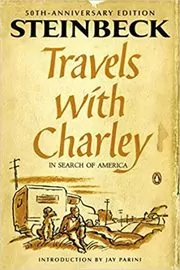
For readers who want a road journey shaped by conversation and reflection on national identity. Steinbeck’s company and his dog make it personable, though its crafted literary account should not be mistaken for a complete documentary record.
What it's about
Travels with Charley recounts Steinbeck’s 1960 road trip across the United States with his poodle, Charley, as he drives a camper named Rocinante, meeting strangers and taking stock of a changing country he had spent decades writing about.
Also recommended by
3 people- Richard Branson recommended this book
Richard Branson
Richard Branson recommended this book on his "70 must-read books" blog post.
Richard Branson's recommendation of this book - Tim Ferriss recommended this book
Tim Ferriss
"Beautifully written, simply written, and hilarious." - Tim Ferriss
Tim Ferriss's recommendation of this book  Austen Allred recommended this book
Austen Allred
"Most American book of all time." - Austen Allred
Austen Allred's recommendation of this book

For readers who want travel organized around food and human encounters rather than survival. Bourdain’s candid voice gives unfamiliar settings immediacy, though the deliberate excess and search for extreme meals can overshadow quieter observations.
What it's about
Bourdain travels the world chasing the idea of the perfect meal, from fugu in Japan to rougher stops far off the tourist trail. It is part travelogue, part food quest, and all told in his blunt, funny voice.
Also recommended by
1 person Shauna Niequist recommended this book
Shauna Niequist
Shauna Niequist recommended this book on Twitter.
Shauna Niequist's recommendation of this book

For readers who want humor, companionship, and background on the Appalachian Trail. The mishaps make this an approachable outdoor book, though its digressions and partial hike differ from a continuous account of completing the trail.
What it's about
Bryson attempts to hike the Appalachian Trail with his out-of-shape and recovering alcoholic friend, Stephen Katz. Facing bears, bugs, and difficult terrain, the duo delivers a hilarious account of friendship and the American wilderness.
Also recommended by
1 person- Tim Ferriss recommended this book
Tim Ferriss
"A great way to invigorate." - Tim Ferriss
Tim Ferriss's recommendation of this book
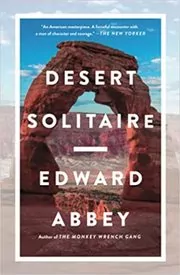
For readers who want landscape writing mixed with an argument about wilderness. Its desert observations give the ideas a physical setting, though the confrontational opinions and lack of a continuous plot may frustrate readers seeking action.
What it's about
Desert Solitaire recounts Abbey's seasons as a backcountry ranger at Arches in the late 1950s. Vivid portraits of snakes, canyons, storms, and lonely camp shifts lead into attacks on roads, dams, and the spread of industrial tourism in wild places.
Also recommended by
1 person Maria Popova recommended this book
Maria Popova
"So powerful, so enduring, so fiercely necessary today." - Maria Popova
Maria Popova's recommendation of this book
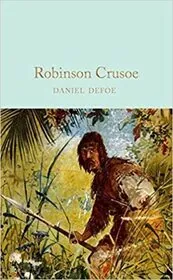
Robinson Crusoe
For readers who enjoy the details of building a workable life from limited resources. Its focus on routine and ingenuity differs from faster escapes, though religious reflection and colonial attitudes are substantial parts of the reading experience.
What it's about
Shipwrecked on an isolated island, Robinson Crusoe salvages supplies and builds a life through farming, ingenuity, and religious reflection. His struggle with solitude changes when signs of other people appear, bringing both danger and the possibility of companionship.
Also recommended by
1 person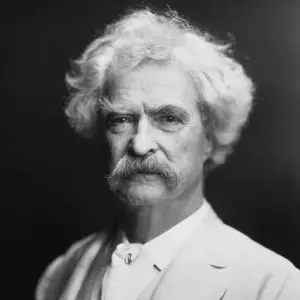 Mark Twain recommended this book
Mark Twain
Mark Twain recommended this book in a letter.
Mark Twain's recommendation of this book

For readers who want exploration combined with a historical investigation. Its movement between Percy Fawcett’s expeditions and a modern search gives the mystery depth, though the unanswered disappearance offers less closure than a fictional adventure.
What it's about
David Grann follows the trail of British explorer Percy Fawcett, who vanished in the Amazon in 1925 while searching for an ancient city. It is part biography, part historical mystery, and part firsthand journey into the jungle that consumed him.
Also recommended by
1 person Saagar Enjeti recommended this book
Saagar Enjeti
"The RIVETING tale of Percy Fawcett’s obsession with the Amazon." - Saagar Enjeti
Saagar Enjeti's recommendation of this book
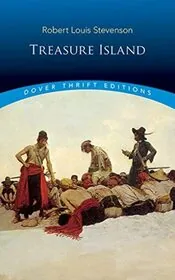
Treasure Island
For newcomers who want pirates, divided loyalties, and a clear adventure plot. Its manageable length and uncertain alliances keep the stakes visible, though the older nautical language may take a little time to settle into.
What it's about
Jim Hawkins finds a treasure map and sails toward buried gold, only to discover that many of his shipmates are pirates. Long John Silver gives the story its charm, danger, and constant uncertainty.
Also recommended by
1 person- Richard Branson recommended this book
Richard Branson
Richard Branson recommended this book on his "70 must-read books" blog post.
Richard Branson's recommendation of this book

A Voyage for Madmen
For readers interested in the mental demands of solitary adventure. Following several competitors makes their contrasting decisions especially revealing, though the changing viewpoints and sailing detail require more attention than a single survivor’s memoir.
What it's about
Peter Nichols recounts the first race to sail alone around the world without stopping. Following the competing sailors, he examines their preparations, isolation, hazardous conditions, and contrasting responses to an undertaking that tested both seamanship and psychological endurance.
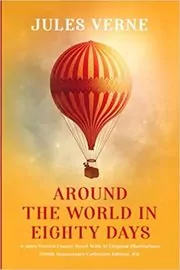
For readers who want a playful classic driven by a deadline. Its changing transport and locations keep the journey moving, though the nineteenth century stereotypes and convenient reversals may interrupt the enjoyment for modern readers.
What it's about
Phileas Fogg bets that he can circle the globe in eighty days, then sets off with Passepartout and a timetable. Trains, steamers, mishaps, and a detective on his heels make the race irresistible.

For younger readers, or adults wanting a concise survival novel, who enjoy watching practical learning change a character. Its narrow focus makes small successes matter, though the accessible language and teenage perspective may feel simple to some adults.
What it's about
After a plane crash leaves thirteen-year-old Brian Robeson alone in the Canadian wilderness, he has only a hatchet to help him survive. Finding food, shelter, and fire forces him to adapt while confronting memories of his parents' divorce.

For readers who enjoy practical problem solving as the engine of a story. Its calculations and improvisation make survival feel like a sequence of tangible challenges, though the technical explanations can crowd out character development.
What it's about
Astronaut Mark Watney is stranded on Mars after a mission accident leaves him presumed dead and completely alone. With limited supplies and no easy way to contact Earth, he uses botany, engineering, and dark humor to improvise a way to stay alive long enough for rescue.
Also recommended by
7 people Ev Williams recommended this book
Ev Williams
"What’s great about this adventure—which I find rare in pop culture—is the celebration of the mind, invention, and science." - Ev Williams
Ev Williams's recommendation of this book  Noah Kagan recommended this book
Noah Kagan
Noah Kagan recommended this book in the "Tools of Titans" book.
Noah Kagan's recommendation of this book  Chris Sacca recommended this book
Chris Sacca
"A fantastic read. The best." - Chris Sacca
Chris Sacca's recommendation of this book  Matt Ridley recommended this book
Matt Ridley
"I loved the fact that the hero never once implies that it’s courage, spirit and faith that saves him [...] just lots of practical tinkering and problem-solving: Science the crap out of it." - Matt Ridley
Matt Ridley's recommendation of this book - Max Levchin recommended this book
Max Levchin
Max Levchin recommended this book on LinkedIn.
Max Levchin's recommendation of this book  Christopher Paolini recommended this book
Christopher Paolini
"Enjoyed the book." - Christopher Paolini
Christopher Paolini's recommendation of this book +1
More recommendations
- Tom Hanks
"[The author's] masterpiece!" - Tom Hanks
- Tom Hanks

For readers who want a long adventure built around escape, reinvention, and calculated revenge. Its many connections give delayed revelations room to develop, though the enormous cast and extended social intrigue require a substantial commitment.
What it's about
Falsely imprisoned sailor Edmond Dantès escapes after years in a dungeon, finds a hidden treasure, and returns in disguise as the Count of Monte Cristo. His intricate plan for revenge reshapes the lives of friends and enemies alike.
Also recommended by
5 people Mike Maples, Jr. recommended this book
Mike Maples, Jr.
"Speaking of a book about grudges." - Mike Maples, Jr.
Mike Maples, Jr.'s recommendation of this book  Patrick Collison recommended this book
Patrick Collison
Patrick Collison labeled this book "substantially above average."
Patrick Collison's recommendation of this book - PewDiePie recommended this book
PewDiePie
"Incredible." - PewDiePie
PewDiePie's recommendation of this book  Nassim Taleb recommended this book
Nassim Taleb
"This treasure will prevent you from enjoying other novels." - Nassim Taleb
Nassim Taleb's recommendation of this book - James Clear recommended this book
James Clear
"[One of] the 10 best fiction books." - James Clear
James Clear's recommendation of this book
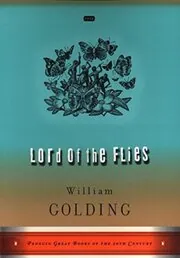
Lord of the Flies
For readers who want island adventure turned toward fear, power, and group behavior. The confined setting makes the social conflict intense, though the cruelty and symbolic structure offer little of the reassurance found in survival stories.
What it's about
A group of schoolboys crash on a deserted island and try to govern themselves without adults. Fear, power struggles, and the fantasy of a beast slowly turn play into savagery.
Also recommended by
4 people Jordan Peterson recommended this book
Jordan Peterson
Recommended on Jordan Peterson's website.
Jordan Peterson's recommendation of this book - Scott Belsky recommended this book
Scott Belsky
Scott Belsky mentioned this book on "The Tim Ferriss Show" podcast.
Scott Belsky's recommendation of this book - Ev Williams recommended this book
Ev Williams
On the "books read" section of Ev Williams' GoodReads profile.
Ev Williams's recommendation of this book  Douglas Murray recommended this book
Douglas Murray
"The first book that absolutely threw me." - Douglas Murray
Douglas Murray's recommendation of this book
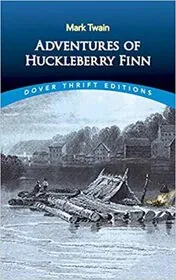
For readers who want a river journey that tests inherited ideas of right and wrong. Its shifting encounters mix comic invention with moral pressure, though racist language and the troubling treatment of Jim require careful attention.
What it's about
Huck Finn fakes his own death and heads down the Mississippi on a raft with Jim, a man escaping slavery. Their trip turns into a chain of close calls, scams, and moral tests as Huck decides what kind of person he wants to be.
Also recommended by
4 people Daniel Pink recommended this book
Daniel Pink
Daniel Pink mentioned this book on "The Tim Ferriss Show" podcast.
Daniel Pink's recommendation of this book - Richard Branson recommended this book
Richard Branson
Richard Branson recommended this book on his "70 must-read books" blog post.
Richard Branson's recommendation of this book - Walter Isaacson recommended this book
Walter Isaacson
"Read [this book]." - Walter Isaacson
Walter Isaacson's recommendation of this book 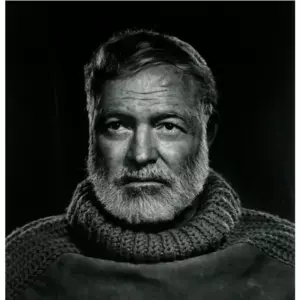 Ernest Hemingway recommended this book
Ernest Hemingway
Ernest Hemingway recommended this book in the "Ernest Hemingway on Writing" book.
Ernest Hemingway's recommendation of this book
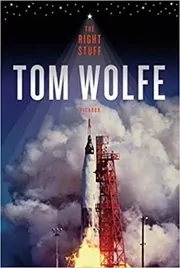
The Right Stuff
For readers drawn to the culture behind dangerous achievement rather than one expedition. Its portraits of test pilots and astronauts reveal status, fear, and performance, though Wolfe’s heightened style can feel more theatrical than restrained reporting.
What it's about
Wolfe tells the intertwined stories of postwar test pilots and NASA’s original Mercury Seven astronauts, digging into the danger, ego, and family strain behind the space race. It asks what unseen “right stuff” makes people volunteer for such perilous missions.
Also recommended by
3 people- Richard Branson recommended this book
Richard Branson
Richard Branson recommended this book on his "70 must-read books" blog post.
Richard Branson's recommendation of this book  Patrick O'Shaughnessy recommended this book
Patrick O'Shaughnessy
"If you like American History and/or stories of pushing the limits of human capability and endurance, this book is for you." - Patrick O'Shaughnessy
Patrick O'Shaughnessy's recommendation of this book  Ben Shapiro recommended this book
Ben Shapiro
"FAR better than the movie, which is still good." - Ben Shapiro
Ben Shapiro's recommendation of this book

Walden
For readers who want reflection on simplicity and attention to a place. Its observations and arguments offer a different kind of exploration, though it is an essayistic account of deliberate living rather than a continuous adventure narrative.
What it's about
Henry David Thoreau reflects on living in a small cabin beside Walden Pond, combining practical details with observations of nature. His account examines simplicity, work, solitude, and deliberate living, questioning the habits and material priorities of society.
Also recommended by
3 people- Emma Watson recommended this book
Emma Watson
On the "books read" section of Emma Watson's GoodReads profile.
Emma Watson's recommendation of this book - Michael Pollan recommended this book
Michael Pollan
"For its bracing prose as much as anything else. I’ve been arguing with [the author] for most of my career." - Michael Pollan
Michael Pollan's recommendation of this book - Shane Parrish recommended this book
Shane Parrish
"A reflection on simplicity." - Shane Parrish
Shane Parrish's recommendation of this book

Wind, Sand and Stars
For readers who prefer reflective travel writing to a continuous disaster narrative. Its aviation experiences open into questions of friendship and purpose, though the lyrical, episodic structure offers less straightforward momentum than the survival memoirs.
What it's about
Antoine de Saint-Exupéry draws on pioneering airmail flights across the Sahara and Andes in this autobiographical reflection. Adventures and a desert crash become occasions to examine danger, companionship, and the meaning of human experience.
Also recommended by
3 people Naval Ravikant recommended this book
Naval Ravikant
"One of my all time favorite books. I quote it all the time." - Naval Ravikant
Naval Ravikant's recommendation of this book  Edward Norton recommended this book
Edward Norton
"A great [book]." - Edward Norton
Edward Norton's recommendation of this book - Patrick Collison recommended this book
Patrick Collison
Patrick Collison labeled this book "substantially above average."
Patrick Collison's recommendation of this book

In a Sunburned Country
For readers who want comic travel writing with history and geography woven in. Bryson’s curiosity gives unfamiliar details room to become stories, though the outsider’s jokes and frequent digressions make this less useful as a balanced portrait of Australia.
What it's about
Bryson travels through Australia, marveling at its deadly wildlife, vast empty spaces, and cheerful inhabitants. He explores the country's history and geography with a mix of awe and terror.

Swiss Family Robinson
For readers who want a family imagining a new home through cooperation and resourcefulness. Its many inventions make it a fertile survival fantasy, though the improbable wildlife and instructional religious tone make realism a poor expectation.
What it's about
Shipwrecked on a tropical island, a Swiss pastor, his wife, and their four sons must create a new home. They salvage supplies, explore their surroundings, and use practical knowledge and cooperation to confront the challenges of island life.

The Wager
For readers who want a true sea adventure complicated by rival accounts of what happened. The dispute over responsibility extends the tension beyond survival, though naval history and a large cast require some patience at the start.
What it's about
An 18th-century British warship wrecks off Patagonia, leaving starving survivors to fight over leadership, loyalty, and the truth of what happened. Grann rebuilds the disaster from firsthand accounts, then follows the scandal into a high-stakes court martial.

For readers who want the science of large waves alongside people drawn to them. Its movement between researchers and surfers gives the danger several perspectives, though the attention to surfing personalities may outweigh the scientific explanation for some readers.
What it's about
Susan Casey investigates exceptionally large ocean waves through encounters with scientists and surfers, including Laird Hamilton. Moving between research and firsthand adventures, she explores how these waves form, the dangers they present, and the people drawn to riding them.

The Worst Journey in the World
For readers willing to spend time inside an early scientific expedition. Its firsthand attention to companions, work, and suffering gives the Antarctic journey depth, though the long, detailed account moves slowly by modern adventure standards.
What it's about
Apsley Cherry-Garrard recounts his experiences on Robert Falcon Scott's Antarctic expedition. His account documents scientific exploration, punishing weather, and the demands of life in the polar wilderness, while reflecting on the courage and suffering of his companions.

Touching the Void
For readers who want a concentrated survival memoir with a difficult question of responsibility at its center. Its close physical detail makes the ordeal immediate, though climbing terminology and descriptions of injury can be demanding.
What it's about
Joe Simpson recounts climbing Siula Grande in the Peruvian Andes with Simon Yates and the disastrous descent that followed. A broken leg turns their expedition into a struggle for survival, testing endurance, judgment, and the bonds between climbing partners.
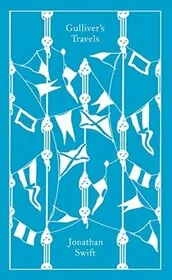
Gulliver's Travels
For readers who want strange voyages with sharp social criticism beneath them. The invented societies make human habits look unfamiliar, though the political satire and growing bitterness differ from the cheerful adventure associated with children’s adaptations.
What it's about
Lemuel Gulliver journeys to lands of tiny people, giants, projectors, and speaking horses. The adventure is memorable on its own, but the real force comes from the way each voyage exposes human vanity and cruelty.
Also recommended by
5 people Neil deGrasse Tyson recommended this book
Neil deGrasse Tyson
"To learn, among other satirical lessons, that most of the time humans are Yahoos." - Neil deGrasse Tyson
Neil deGrasse Tyson's recommendation of this book 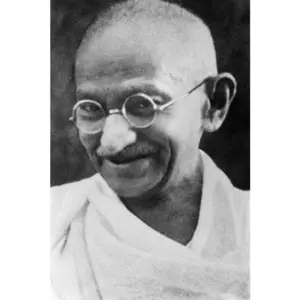 Mahatma Gandhi recommended this book
Mahatma Gandhi
"Effective condemnation of modem civilization, written in an ironic vein." - Mahatma Gandhi
Mahatma Gandhi's recommendation of this book - Mark Twain recommended this book
Mark Twain
Mark Twain recommended this book in a letter.
Mark Twain's recommendation of this book  Alice Walker recommended this book
Alice Walker
"I was 11 when I read it and it encouraged me to believe the world was large, fascinating, and with incredibly interesting creatures in it!" - Alice Walker
Alice Walker's recommendation of this book 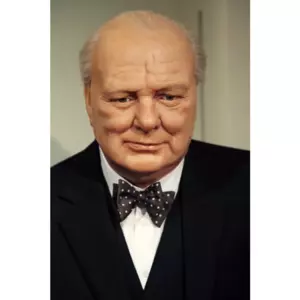 Winston Churchill recommended this book
Winston Churchill
"One of the books I would like to take with me to Purgatory." - Winston Churchill
Winston Churchill's recommendation of this book
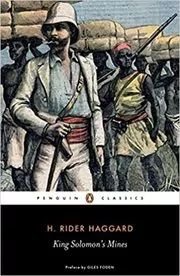
For readers interested in the origins of the lost world treasure quest. Its expedition structure has influenced later adventure fiction, though the colonial assumptions and racial representations are central limitations rather than incidental period details.
What it's about
Allan guides Sir Henry Curtis and Captain Good into the African interior to find a missing man and a legendary treasure. It is the classic lost-world adventure, full of peril, marches, and battle.
Also recommended by
1 person- Winston Churchill recommended this book
Winston Churchill
One of Winston Churchill's favorite books.
Winston Churchill's recommendation of this book
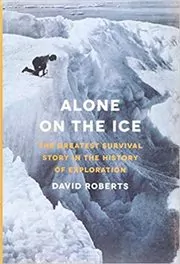
For readers who want a researched polar ordeal with one explorer’s decisions at its center. The reconstruction gives Mawson’s isolation a wider expedition context, though the detailed hardship and historical background make this a demanding survival account.
What it's about
David Roberts reconstructs Douglas Mawson's Antarctic expedition and the desperate solo journey that followed disaster in 1913. Drawing on expedition records, he examines the extreme weather, isolation, and physical dangers faced by the Australian explorer.
Heart of Darkness
For readers who want a short journey with moral and psychological unease. The river becomes a setting for examining colonial exploitation, though the dense narration and portrayal of Africans raise difficulties that deserve attention alongside its criticism of empire.
What it's about
Sailor Marlow journeys up a Central African river in search of the trader Kurtz and finds brutal colonial cruelty and moral collapse. The novella explores idealism turned to horror and what remains of civilisation when every restraint is stripped away.

Into the Heart of Borneo
For readers who want natural history and comic discomfort in the same journey. The travelers’ limited control gives their observations a vulnerable quality, though the outsider’s viewpoint and descriptions of local communities need reading with a critical eye.
What it's about
Redmond O'Hanlon recounts a journey into Borneo's interior with poet James Fenton and local guides. Encounters with wildlife, difficult terrain, and unfamiliar communities combine natural history with an account of friendship, discomfort, and the travelers' frequently comic misadventures.

For readers who like short travel pieces rather than one continuous expedition. The changing settings and comic voice suit dipping in between other books, though the episodic format offers less sustained involvement with a place or group of people.
What it's about
Tim Cahill gathers accounts of journeys through remote places, including Mongolia and New Guinea. His essays combine encounters with local people and unfamiliar landscapes with the practical discomforts, unexpected dangers, and absurd situations that accompany adventurous travel.

For readers interested in a journey before its traveler became a political symbol. The encounters connect youthful adventure with emerging social concerns, though the brief, selective notes offer less context than a full biography or regional history.
What it's about
Before becoming a revolutionary, young medical student Ernesto Guevara travels through South America with his friend Alberto Granado. These journals record their adventures and hardships alongside encounters with poverty and inequality that begin to reshape Guevara's understanding of the continent.
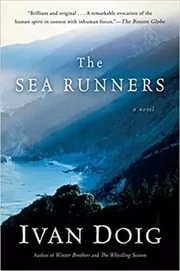
The Sea Runners
For readers who want historical adventure centered on a small group’s cooperation under pressure. Its coastal journey gives weather and language a strong presence, though the spare characterization and older setting can make the opening less immediately accessible.
What it's about
Based on an 1853 escape from Russian Alaska, four Scandinavian indentured laborers steal a native canoe and attempt a perilous 1,200-mile voyage down the stormy Pacific coast toward Oregon, battling brutal weather, scarce supplies, and their own clashing temperaments.

For readers who want walking journeys shaped by personal and philosophical questions. Its different pilgrimage traditions make room for thoughts about family and obligation, though introspection often takes priority over the physical adventure.
What it's about
Restless and uncertain about his direction, Gideon Lewis-Kraus undertakes pilgrimages in Spain, Japan, and Ukraine. His memoir connects the discipline of walking and religious ritual with questions about freedom, obligation, and his complicated relationship with his father.

Travels In Siberia
For readers willing to follow curiosity across a vast region rather than a single dramatic objective. Its blend of travel, encounters, and history builds a distinctive portrait, though the digressions and accumulated detail make progress deliberately slow.
What it's about
Ian Frazier recounts his travels through Siberia, combining encounters with its people and landscapes with explorations of Russian history. His fascination with the region connects contemporary journeys to accounts of exile, settlement, and life across an immense territory.
Sources
- 1
The 25 Greatest Adventure Books of All Time
mensjournal.com
- 2
62 Best Adventure Books of All Time
greenbelly.co
- 3
100 Best Adventure Books of All Time
reedsy.com
- 4
The 9 Best Adventure Books to Inspire Your Next Voyage
popularmechanics.com
- 5
Best Adventure Books
treelinereview.com
- 6
Best Adventure Books of All Time for Modern Readers
thebooksreview.com
- 7
22 Best Adventure Books (2026): True Stories of Survival, Exploration, Mountains & the Sea
joinhikes.com
- 8
best adventure books
goodreads.com








Edited by
Software engineer whose passion for tracking book recommendations from podcasts inspired the creation of MRB.
Lead investor at 3one4 Capital whose startup expertise and love for books helped shape MRB and its growth.
Comments
Spotted a missing book, a wrong order or a mistake? Tell us and we'll fix this page.
We're a reading guide, not the author or publisher, so we can't send books or pass on messages.