
11 Best Walking Books
The best walking books, ranked by how many expert sources recommend each one, with notes for readers choosing memoirs, cultural history, philosophy, and nature.
Our take
Walking books can follow a trail, explore a landscape, or ask what moving on foot makes possible. Travel memoirs concentrate on the people and difficulties of a particular journey. Cultural histories connect walking with politics, creativity, and access to public space. More reflective works use the rhythm of a walk to consider attention, memory, or a familiar place, often with little concern for reaching a destination.
For a broad cultural introduction, begin with Wanderlust. A Philosophy of Walking and Thoreau’s Walking offer shorter reflective approaches, while In Praise of Walking brings in a scientific perspective. Wanderers examines women’s walking lives and writing. Readers who prefer a journey can try Wild, Neon Pilgrim, or the comic travel writing of A Walk in the Woods. For close attention to landscape, choose The Living Mountain. Start with the form you enjoy reading, then follow its invitation to look at an ordinary walk differently.
11 books · 8 sources · Last updated
As an Amazon Associate, we earn from qualifying purchases (at no extra cost to you).
How to choose from this list
Skip to the full rankingIf you want cultural history: Wanderlust → Wanderers
If you want reflective ideas: Walking → A Philosophy of Walking
If you want a scientific perspective: In Praise of Walking
If you prefer a personal journey: Wild → Neon Pilgrim
If you want humor on the trail: A Walk in the Woods
If you want close landscape observation: The Living Mountain → The Rings of Saturn
The 11 books, ranked
Ranked by how many expert sources name each book. Ties go to the book more people recommend.
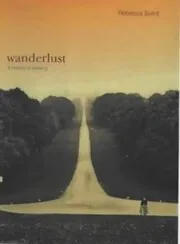
For readers who want walking understood through culture, politics, and ideas rather than one person’s route. The historical range gives everyday movement a wider context, though the many connections and digressions make it less direct than a travel memoir.
What it's about
A cultural history of walking that ranges from philosophers and pilgrims to activists and city wanderers. Solnit explores how moving on foot shapes thought, politics, and our relationship to landscapes in an increasingly fast and car-centered world.

For readers who want walking discussed through neuroscience and human behavior. The scientific perspective adds a different lens from memoir and cultural history, though its broad research synthesis is not an individualized exercise or medical guide.
What it's about
Neuroscientist Shane O’Mara explores how the brain and body make walking possible and why it matters. The book connects evolution, navigation, creativity, mood, and social life, examining research on the effects of movement on human experience.

For readers drawn to a personal account of grief, uncertainty, and a demanding long-distance hike. The candid perspective keeps the journey emotionally close, though it is a memoir of one experience rather than a model for planning your own walk.
What it's about
After her mother's death and the collapse of her marriage, Cheryl Strayed impulsively sets out to hike the Pacific Crest Trail alone. With little preparation, she confronts the physical demands of the journey alongside the losses she carries.
Also recommended by
5 people Emma Watson recommended this book
Emma Watson
"I have devoured [this book]." - Emma Watson
Emma Watson's recommendation of this book  Tim Ferriss recommended this book
Tim Ferriss
"One of my favorites." - Tim Ferriss
Tim Ferriss's recommendation of this book  Oprah Winfrey recommended this book
Oprah Winfrey
"About the difference between deciding to do something and really having to do it." - Oprah Winfrey
Oprah Winfrey's recommendation of this book  Liz Lambert recommended this book
Liz Lambert
Liz Lambert mentioned this book on "The Tim Ferriss Show" podcast.
Liz Lambert's recommendation of this book  Shane Parrish recommended this book
Shane Parrish
"Ran me through the range of emotions from happy to crying." - Shane Parrish
Shane Parrish's recommendation of this book

Walking
For readers who want a short, concentrated reflection on walking and wildness. The essay offers a different pace from a long travel narrative, though its nineteenth-century ideals and rhetorical leaps invite questioning as well as appreciation.
What it's about
Henry David Thoreau reflects on walking as a practice that connects human freedom with the natural world. Drawing on personal experience, the essay explores wildness, the value of wilderness, and the relationship between movement, thought, and independence.
Also recommended by
1 person Patrick O'Shaughnessy recommended this book
Patrick O'Shaughnessy
"A short, relaxing essay that shows how walking leads to a better, fresher mindset." - Patrick O'Shaughnessy
Patrick O'Shaughnessy's recommendation of this book

A Philosophy of Walking
For readers curious about walking as a way of thinking and living. The portraits of writers and philosophers offer varied points of entry, though the reflective approach develops suggestive connections rather than a systematic philosophical argument.
What it's about
Frédéric Gros explores walking as a philosophical practice, considering pilgrimages, protests, promenades, and solitary rambles. Reflections on thinkers and writers such as Rousseau, Nietzsche, Kant, and Thoreau examine the relationships between movement, freedom, creativity, and thought.

For readers who want a humorous travel narrative with observations about American landscape and history. The comic approach makes a demanding trail approachable on the page, though the memoir is selective and should not be mistaken for a current hiking guide.
What it's about
Bryson attempts to hike the Appalachian Trail with his out-of-shape and recovering alcoholic friend, Stephen Katz. Facing bears, bugs, and difficult terrain, the duo delivers a hilarious account of friendship and the American wilderness.
Also recommended by
1 person- Tim Ferriss recommended this book
Tim Ferriss
"A great way to invigorate." - Tim Ferriss
Tim Ferriss's recommendation of this book
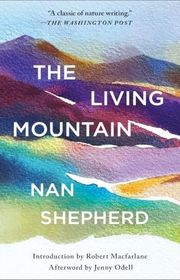
The Living Mountain
For readers who prefer close attention to one landscape over a record of miles covered. The sensory descriptions encourage a slower way of reading and noticing, though its meditative structure offers little conventional plot or practical route information.
What it's about
Nan Shepherd describes decades of walking in Scotland's Cairngorm Mountains, attending to water, stone, weather, plants, and bodily sensation. Rather than recounting a single ascent, she explores how repeated encounters can deepen a person's knowledge of place.

For readers interested in how a coastal journey can become a story of endurance and belonging. Its emotional appeal is central, though the memoir’s factual accuracy has been publicly challenged and the author disputes those allegations.
What it's about
Raynor Winn recounts walking England’s South West Coast Path with her husband after losing their home and learning of his serious illness. Their journey through coastal landscapes becomes a memoir about uncertainty, endurance, love, and finding a sense of home.

The Rings of Saturn
For readers who want walking to open into memory, history, and literary reflection. The associative structure goes beyond a conventional journey narrative, though its melancholy tone and movement between fact and fiction require patience with uncertainty and digression.
What it's about
A walking journey through Suffolk becomes a meditation on history, memory, and decay. W. G. Sebald connects landscapes, encounters, and abandoned places with stories reaching far beyond England, following the traces of human activity and its quieter catastrophes.

For readers who want women’s walking lives and writing placed at the center of the story. The linked portraits widen the usual literary tradition, though the selective biographical approach is less comprehensive than a general history of walking.
What it's about
Kerri Andrews profiles ten women across three centuries who made walking central to their lives and writing. From Elizabeth Carter to Nan Shepherd and Cheryl Strayed, their stories explore creativity, personal freedom, and ways of experiencing the landscape.

Neon Pilgrim
For readers interested in a pilgrimage memoir that connects physical difficulty with questions of belonging. The sustained personal perspective distinguishes it from a cultural survey, though its account of one journey offers limited practical planning information for the route.
What it's about
Lisa Dempster recounts walking the demanding 1,200-kilometre henro michi Buddhist pilgrimage in Japan. Her memoir follows a journey toward renewed health while exploring loneliness, spirituality, human connection, and belonging along the route.
Sources
- 1
Best walking books for the outdoor traveller
worldexpeditions.com
- 2
20 books about walking: inspiring reads
slowecotravel.com
- 3
Walking Books
goodreads.com
- 4
Books for the Walk: A Walking Reading List
orophileedit.com
- 5
Best Books on Walking? Looking for Recommendations!
reddit.com
- 6
Books about distance walking / hiking / hill walking / pilgrimages etc.
reddit.com
- 7
Bulletin 1.2 Walking as a generator of thought
museion.it
- 8
The Best Books on Walking
fivebooks.com





Edited by
Software engineer whose passion for tracking book recommendations from podcasts inspired the creation of MRB.
Lead investor at 3one4 Capital whose startup expertise and love for books helped shape MRB and its growth.
Comments
Spotted a missing book, a wrong order or a mistake? Tell us and we'll fix this page.
We're a reading guide, not the author or publisher, so we can't send books or pass on messages.