
18 Best Algorithms Books
The best algorithms books, ranked by how many expert sources recommend each one, with notes to help beginners, students, and programmers choose where to start.
Our take
Algorithms books teach you to turn a problem into a procedure, then ask whether that procedure is correct and efficient. Some concentrate on working implementations, while others emphasize proofs, design patterns, or recognizing a familiar problem beneath an unfamiliar description. Your programming experience and comfort with mathematics matter more than choosing the thickest textbook.
Grokking Algorithms: An Illustrated Guide for Programmers and Other Curious People and A Common-Sense Guide to Data Structures and Algorithms offer approachable ways into the subject. Robert Sedgewick’s Algorithms connects explanations with Java implementations, while Introduction to Algorithms provides a more mathematical reference. The Algorithm Design Manual is useful when choosing a technique, and Programming Pearls encourages you to reconsider the problem itself. Interview books belong later, when you can already work with the core structures and want targeted practice. Start with a book whose examples you can follow, then implement the ideas and attempt the exercises before moving to a denser treatment.
18 books · 8 sources · Last updated
As an Amazon Associate, we earn from qualifying purchases (at no extra cost to you).
How to choose from this list
Skip to the full rankingIf you're learning the basics: Grokking Algorithms → A Common-Sense Guide to Data Structures and Algorithms
If you want a conceptual overview: Algorithms Unlocked
If you want rigorous design practice: Algorithm Design → Introduction to Algorithms
If you're solving programming problems: The Algorithm Design Manual → Programming Pearls
If you're preparing for interviews: Cracking the Coding Interview → Algorithms For Interviews
The 18 books, ranked
Ranked by how many expert sources name each book. Ties go to the book more people recommend.

The Algorithm Design Manual
For programmers who can write code but struggle to identify which algorithm fits a problem. Its problem catalog connects theory with practical choices, though it works best once basic data structures are familiar.
What it's about
Steven Skiena combines instruction in practical algorithm design with a catalog of recurring computational problems. Examples, implementation guidance, and accounts from real projects help readers recognize suitable approaches, while the reference section directs them toward algorithms and further resources.

For beginners who want diagrams and approachable examples before formal proofs. Its visual explanations help build intuition about common algorithms, though the limited depth means you will need another book as problems become harder.
What it's about
Aditya Bhargava introduces algorithms with diagrams and annotated Python examples, beginning with searching and sorting before tackling more complex applications. The explanations emphasize how procedures work, when to use them, and the performance trade-offs involved in choosing a solution.

Introduction to Algorithms
For students and programmers ready to study correctness proofs and efficiency in depth. Its breadth makes it a lasting reference, though the mathematical treatment can be discouraging before you have developed basic intuition.
What it's about
This textbook develops algorithm design and analysis through mathematical explanations, pseudocode, and exercises. Chapters cover data structures, sorting, graphs, and broader design techniques, presenting individual topics as units that can support coursework or professional reference.

Algorithm Design
For students who want to learn design techniques through motivated problems and careful analysis. Its coherent progression suits a sustained course of study, though it expects comfort with mathematical arguments and challenging exercises.
What it's about
Jon Kleinberg and Eva Tardos introduce algorithm design through problems drawn from computing applications. Explanations connect design choices with efficiency analysis, helping students understand how to construct solutions and assess their performance rather than merely recognize familiar procedures.

Algorithms
For programmers who want complete implementations alongside explanations of performance. The Java examples make the link between algorithms and working code clear, though readers using another language will need to translate the details.
What it's about
Robert Sedgewick and Kevin Wayne present fundamental algorithms and data structures through Java implementations and analysis. The fourth edition connects practical programming with algorithm design, giving students and practitioners methods for approaching varied computational problems.
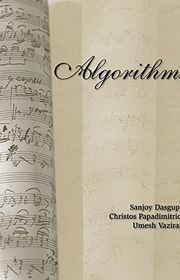
Algorithms
For students who want a compact, mathematically grounded path through algorithm design. Its emphasis on the central idea behind each method gives it a clear through-line, though the exercises assume active work with proofs.
What it's about
This textbook develops fundamental algorithms through mathematical ideas, design techniques, and analysis. Topics include graphs, greedy methods, dynamic programming, and computational complexity, with explanations and exercises intended to build understanding rather than dependence on a particular programming language.

Programming Pearls
For programmers who know standard techniques but want to become better at framing unfamiliar problems. Its short essays reward careful thought and experimentation, though the older computing context makes some constraints feel remote.
What it's about
Jon Bentley uses concrete programming problems to explain algorithms, data structures, and design principles. His essays and examples explore correctness, performance, sorting, searching, and memory use, showing how careful reasoning can lead to workable solutions.
Also recommended by
1 person Jeff Atwood recommended this book
Jeff Atwood
"The collective wisdom of many journeyman coders distilled into succinct, digestible columns." - Jeff Atwood
Jeff Atwood's recommendation of this book
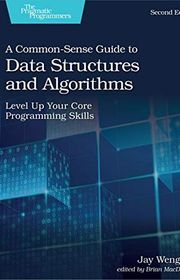
A Common-Sense Guide to Data Structures and Algorithms
For programmers who want an approachable bridge from basic coding to reasoning about efficiency. Its explanations and exercises make performance tradeoffs concrete, though it does not pursue the formal depth of a university algorithms text.
What it's about
Jay Wengrow explains how data structures and algorithm choices affect program performance. Examples and exercises introduce efficiency analysis, searching, sorting, recursion, trees, and graphs, helping programmers recognize ways to improve the code they write.

For candidates who already have basic algorithm knowledge and need structured interview practice. Its problems and explanations support rehearsal under pressure, though interview preparation cannot replace a broader study of algorithm design.
What it's about
Gayle Laakmann McDowell prepares software developers for technical interviews through 189 programming questions and worked solutions. The guide explains approaches to solving problems, reviews computer science concepts, and discusses interview evaluation, preparation, and communicating a solution.

Data Structures and Algorithms
For readers who want a classical account of how data structures and algorithm design fit together. Its conceptual foundations remain useful, though older notation and programming conventions require adaptation to modern development tools.
What it's about
Alfred Aho, John Hopcroft, and Jeffrey Ullman examine the data structures supporting computer programs and the algorithms that operate on them. Their textbook links implementation choices with design techniques and basic analysis, covering structures alongside problems involving searching, sorting, and graphs.
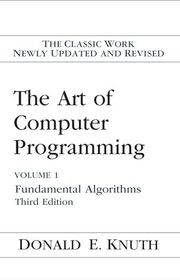
The Art of Computer Programming, Volume 1: Fundamental Algorithms
For experienced readers who enjoy exact analysis and difficult exercises about fundamental computational methods. Its mathematical depth rewards close study, though the assembly-language notation and demanding presentation make it a poor first algorithms book.
What it's about
Donald Knuth develops foundational methods for programming and the mathematical analysis of algorithms. This first volume introduces essential concepts and data structures, with detailed explanations and exercises that range from straightforward applications to substantial analytical challenges.

For developers who want a practical reference when choosing and implementing an algorithm. Its attention to code and performance supports everyday problem-solving, though the compact treatment leaves less room for proofs and deeper theory.
What it's about
George Heineman, Gary Pollice, and Stanley Selkow explain how to select and implement algorithms for practical programming tasks. Code examples in several languages accompany performance analysis, helping readers compare solutions and adapt established methods to their own software projects.

Algorithms Unlocked
For readers who want to understand what algorithms do without tackling a full university textbook. Its accessible scope gives a useful conceptual overview, though it offers less implementation practice and mathematical detail than the larger texts.
What it's about
Thomas Cormen introduces computer algorithms with limited mathematics, explaining how to describe and evaluate them. Examples cover searching, sorting, graphs, character strings, cryptography, and compression, alongside problems that computers cannot currently solve efficiently in reasonable time.

Data Structures and Algorithms Made Easy
Data Structures and Algorithmic Puzzles
For readers who learn through many problems and alternative solutions, especially when preparing for interviews. Its puzzle-heavy coverage encourages practice, though the reference-like structure is less gentle than a carefully paced introductory text.
What it's about
Narasimha Karumanchi presents data structures through algorithmic problems and alternative solutions, using C and C++ examples. Recursion, linked lists, trees, graphs, searching, and sorting form part of a reference intended for interview preparation, examinations, and practicing problem solving.

For readers who want to understand how algorithms are invented rather than just study finished solutions. Its emphasis on induction develops a useful habit of reasoning, though mathematical maturity matters more than familiarity with current languages.
What it's about
Udi Manber examines the creative process behind algorithm development, using mathematical induction and related reasoning to build solutions. His textbook connects familiar data structures with design problems, encouraging readers to understand the steps that produce an algorithm rather than memorize results.

Algorithms For Interviews
For candidates who already know basic data structures and want solved problems to practice. Its interview focus makes review purposeful, though it is less suitable than a general textbook for building the foundations from scratch.
What it's about
Adnan Aziz and Amit Prakash organize interview preparation around solved algorithm design problems. Searching, sorting, graphs, dynamic programming, and more advanced topics appear alongside system design and interviewing techniques, giving candidates and interviewers material for practicing technical problem solving.

For Python programmers ready to connect familiar language features with algorithmic reasoning. Its implementation focus helps turn abstract techniques into working programs, though readers should check older code against the Python version they use.
What it's about
Magnus Lie Hetland connects algorithm theory with working Python programs, explaining both built-in structures and methods readers can implement themselves. Classical algorithms support lessons on recursion, traversal, greedy choices, and dynamic programming, with attention to evaluating efficiency.

Introduction to the Design and Analysis of Algorithms
For students who want algorithms organized around reusable design techniques rather than a collection of code recipes. Its puzzles and exercises support deliberate practice, though formal analysis still requires patience with mathematical reasoning.
What it's about
Anany Levitin organizes introductory algorithm study around design techniques and methods for analyzing efficiency. Puzzles, examples, and exercises develop problem-solving skills while covering topics such as searching, sorting, graphs, and the distinction between exact and approximate solutions.
Sources
- 1
8 Great Data Structure & Algorithms Books | Tableau
tableau.com
- 2
Top 10 Algorithms books Every Programmer Should Read in 2026 | Java67
java67.com
- 3
Algorithm Books
goodreads.com
- 4
Best Books to Learn Data Structures and Algorithms (2026) · SpaceComplexity
spacecomplexity.ai
- 5
Miguel A. Carreira-Perpinan: CSE100 Algorithm Design and Analysis (Fall semester 2026)
faculty.ucmerced.edu
- 6
Readings | Design and Analysis of Algorithms | Electrical Engineering and Computer Science | MIT OpenCourseWare
ocw.mit.edu
- 7
What book do you recommend for improving in algorithms?
reddit.com
- 8
What books would you suggest to learn and understand algorithms?
reddit.com


Edited by
Software engineer whose passion for tracking book recommendations from podcasts inspired the creation of MRB.
Lead investor at 3one4 Capital whose startup expertise and love for books helped shape MRB and its growth.
Comments
Spotted a missing book, a wrong order or a mistake? Tell us and we'll fix this page.
We're a reading guide, not the author or publisher, so we can't send books or pass on messages.