
9 Best Mushroom Books
The best mushroom books, ranked by expert source recommendations, with notes to help curious readers choose fungal science, cultivation manuals, and field guides.
Our take
Mushroom books serve several different interests: understanding fungal life, learning to grow edible species, recognizing what appears outdoors, or finding new ingredients for the kitchen. A general science book can deepen your curiosity without helping you identify a specimen. A cultivation manual answers a different set of questions from a field guide, and a guide's geographic coverage matters as much as its size.
Entangled Life offers a broad introduction through research and storytelling. Mushrooms Demystified is a much larger identification reference, while The Complete Mushroom Hunter introduces the wider practice of collecting and studying wild fungi. Home growers can begin with DIY Mushroom Cultivation, then move to the more detailed Growing Gourmet and Medicinal Mushrooms. Mycelium Running explores possible environmental applications, and Healing Mushrooms concentrates on culinary and wellness uses.
Start with the activity that interests you. For identification, use current local expertise alongside books and never rely on a photograph alone to decide edibility.
9 books · 8 sources · Last updated
As an Amazon Associate, we earn from qualifying purchases (at no extra cost to you).
How to choose from this list
Skip to the full rankingIf you're curious about fungal life: Entangled Life → Mycelium Running
If you want to grow mushrooms at home: DIY Mushroom Cultivation → Growing Gourmet and Medicinal Mushrooms
If you want to study wild mushrooms: The Complete Mushroom Hunter → Mushrooms Demystified
If you want a compact western field guide: All That the Rain Promises and More
The 9 books, ranked
Ranked by how many expert sources name each book. Ties go to the book more people recommend.

Mushrooms Demystified
For readers ready to learn identification keys and consult a substantial reference. Its detail and lively writing reward repeated use, but its western North American emphasis and older taxonomy call for current regional references alongside it.
What it's about
David Arora introduces wild mushroom identification through descriptions, photographs, and keys covering more than two thousand species. A beginner's checklist complements discussions of habitats, classification, terminology, toxins, and cooking, making the book both a field guide and a broader reference.
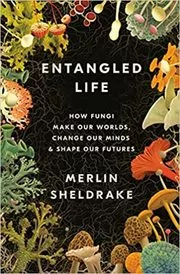
For curious readers who want fungal biology explained through stories, encounters, and scientific questions. It provides a broader intellectual introduction than the manuals here, but it is neither an identification guide nor a cultivation course.
What it's about
Merlin Sheldrake explores the hidden world of fungi and their relationships with plants, people, and entire ecosystems. Scientific research and personal encounters introduce organisms that challenge familiar ideas about individuality, intelligence, and the possibilities of environmental restoration.
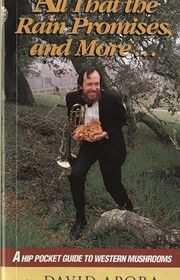
For readers in western North America who want a portable companion to a larger reference. Its compact format and informal voice invite frequent use, but its limited selection and age make supplementary local guidance essential.
What it's about
David Arora presents a compact photographic introduction to mushrooms of western North America. Identification details, collecting stories, and observations about habitats and uses introduce a selection of species, including edible mushrooms and dangerous look-alikes.

For readers interested in fungi's possible environmental applications rather than just finding mushrooms. It links cultivation with restoration ideas, but ambitious proposals and small-scale examples should not be mistaken for solutions proven across all settings.
What it's about
Paul Stamets examines fungal mycelium's role in breaking down organic material and proposes uses for environmental restoration. His manual explores cultivating fungi to address pollution, filter water, manage insects, and support healthier forests and gardens.

Growing Gourmet and Medicinal Mushrooms
For growers ready to study controlled production and the requirements of different cultivated species. Its detailed methods offer more depth than an introductory guide, but the technical material and older equipment discussions take work to adapt.
What it's about
Paul Stamets explains how to cultivate gourmet and medicinal mushrooms at home or commercially. The handbook covers growing conditions, production techniques, laboratory and growing-room construction, and troubleshooting, using photographs and charts to illustrate the stages of cultivation.

Healing Mushrooms
A Practical and Culinary Guide to Using Mushrooms for Whole Body Health
For cooks interested in adding a wider range of mushrooms to meals and drinks. The recipes are more accessible than the cultivation manuals, but wellness claims deserve scrutiny and the book does not establish treatments for disease.
What it's about
Tero Isokauppila introduces ten mushrooms and explores their culinary uses and proposed roles in wellness. Practical information and fifty recipes show ways to incorporate familiar and less common varieties into meals, drinks, and desserts throughout the day.
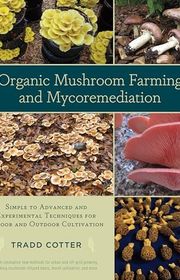
Organic Mushroom Farming and Mycoremediation: Simple to Advanced and Experimental Techniques for Indoor and Outdoor Cultivation
For growers who want to progress from practical cultivation into experimentation with fungal applications. Its breadth connects indoor and outdoor methods, but the environmental projects demand more judgment and testing than a straightforward home-growing recipe.
What it's about
Tradd Cotter explains indoor and outdoor mushroom cultivation, including approaches to substrates, spawn, fruiting, and troubleshooting. Further sections explore experimental uses of fungi in waste processing and environmental restoration, connecting growing practice with applied mycology.

The Complete Mushroom Hunter
Illustrated Guide to Foraging, Harvesting, and Enjoying Wild Mushrooms
For beginners who want the wider practice of mushroom hunting, from observation to preparation. Its illustrated overview is more approachable than a large identification reference, but it cannot replace a current guide tailored to your region.
What it's about
Gary Lincoff combines the history of mushroom hunting with practical guidance on finding, identifying, harvesting, and preparing wild fungi. Illustrated comparisons address edible species and poisonous look-alikes, while recipes and additional sections explore cultivation and collecting outside the usual season.

For home growers who want manageable projects and low-cost methods. Its practical scale makes it an approachable bridge beyond a ready-made kit, but successful cultivation still requires careful observation, cleanliness, and repeated experimentation.
What it's about
Willoughby Arevalo explains low-cost methods for growing mushrooms in homes and gardens. Illustrated instructions cover creating cultures, preparing spawn, indoor fruiting, and outdoor growing, alongside mushroom biology, harvesting, processing, and cooking for cultivation on a manageable scale.
Sources
- 1
The Best Mushroom Foraging Books
thesurvivalgardener.com
- 2
Essential Reading for Mushroom Enthusiasts
penguinrandomhouse.com
- 3
Learning More Mushroom Books
wisconsinmycologicalsociety.org
- 4
Good books for beginners to Mushrooms and Mycology.
reddit.com
- 5
Favorite book/websites/resources for learning all about mushrooms?
reddit.com
- 6
Mushrooming (44 books)
goodreads.com
- 7
5 Best Mushroom Books
fungiacademy.com
- 8
Best fungi books
discoverwildlife.com







Edited by
Software engineer whose passion for tracking book recommendations from podcasts inspired the creation of MRB.
Lead investor at 3one4 Capital whose startup expertise and love for books helped shape MRB and its growth.
Comments
Spotted a missing book, a wrong order or a mistake? Tell us and we'll fix this page.
We're a reading guide, not the author or publisher, so we can't send books or pass on messages.