
16 Best Motorcycle Books
The best motorcycle books, ranked by expert source recommendation counts, with notes for riders choosing skills guides, travel stories, or machine history.
Our take
Motorcycle books serve different interests: learning to ride more thoughtfully, understanding the machine, exploring its history, or experiencing a journey from an armchair. A good choice depends on whether you want practical knowledge or a writer’s perspective on travel and riding culture. The most reflective books may spend surprisingly little time on motorcycles themselves.
For road riding, Proficient Motorcycling offers a broad foundation, while Total Control takes a more focused look at performance skills. The Essential Guide to Motorcycle Maintenance addresses the machine rather than the rider. For travel, Jupiter's Travels and Lone Rider bring individual perspectives, while Long Way Round emphasizes friendship within a supported expedition. Discovering the Motorcycle provides historical breadth, and McQueen's Motorcycles narrows the focus to one rider’s machines.
Start with the question you want answered. Choose a riding guide for skills, a maintenance book for mechanical understanding, or a memoir for the experience of being on the road.
16 books · 12 sources · Last updated
As an Amazon Associate, we earn from qualifying purchases (at no extra cost to you).
How to choose from this list
Skip to the full rankingIf you want to develop your road riding: Proficient Motorcycling → Total Control
If you want to understand maintenance: The Essential Guide to Motorcycle Maintenance
If you want independent travel memoirs: Jupiter's Travels → Lone Rider
If you want a shared travel adventure: Long Way Round
If you want history and machines: Discovering the Motorcycle → McQueen's Motorcycles
If you want philosophical reflection: Zen and the Art of Motorcycle Maintenance
The 16 books, ranked
Ranked by how many expert sources name each book. Ties go to the book more people recommend.

For road riders who want to think more carefully about handling and hazard awareness. Hough’s broad street focus makes a useful foundation before narrower performance books, though reading needs to be paired with appropriate training and practice.
What it's about
David Hough explains motorcycle handling and road awareness for new and experienced riders. Practical discussions of braking, steering, balance, and changing riding conditions help readers develop skills for anticipating hazards and responding to unexpected situations on the road.

For readers who want philosophical reflection prompted by motorcycling rather than instruction on riding or repairs. Its sustained questions about quality distinguish it from the travel accounts, though the abstract passages require patience and close attention.
What it's about
During a summer motorcycle trip, a father reflects on his relationship with his son and his earlier intellectual struggles. The journey links practical maintenance with questions about reason, experience, and quality, blending personal narrative with philosophical exploration.
Also recommended by
9 people Jordan Peterson recommended this book
Jordan Peterson
Recommended on Jordan Peterson's website.
Jordan Peterson's recommendation of this book  Paul Graham recommended this book
Paul Graham
Paul Graham mentioned this book on Twitter.
Paul Graham's recommendation of this book  Drew Houston recommended this book
Drew Houston
"[There are] engineers who [dismiss] all these things that can’t be fit into an algorithm, or that don’t have some kind of mathematical rigor underpinning them, [this book] is about that question." - Drew Houston
Drew Houston's recommendation of this book  Josh Waitzkin recommended this book
Josh Waitzkin
"Inspired my cultivation of dynamic quality as a way of life." - Josh Waitzkin
Josh Waitzkin's recommendation of this book  Bryan Johnson recommended this book
Bryan Johnson
Bryan Johnson recommended this book on Twitter.
Bryan Johnson's recommendation of this book  Ev Williams recommended this book
Ev Williams
"One of the few novels I’ve ever read twice." - Ev Williams
Ev Williams's recommendation of this book +3
More recommendations
- Austen Allred
"Didn’t get it first time." - Austen Allred
- Fred Wilson
"A great one." - Fred Wilson
- Phil Jackson
Phil Jackson recommended this book on Twitter.
- Austen Allred

For readers drawn to independent overland travel who want human encounters alongside mechanical uncertainty. Simon’s sustained personal perspective gives the journey depth, though its earlier travel conditions make it a memoir rather than a current planning guide.
What it's about
Ted Simon recounts four years of traveling around the world on a Triumph motorcycle. Breakdowns, encounters with strangers, and journeys through political upheaval become part of a personal exploration, linking the practical uncertainties of travel with reflections on his own life.

For riders who already know the basics and want a more detailed performance perspective. Parks organizes physical and mental riding skills into focused topics, though the material requires suitable instruction and practice rather than experimentation in traffic.
What it's about
Lee Parks explains high-performance motorcycle riding through manageable lessons on braking, cornering, and throttle control. Photographs and diagrams support discussions of physical technique, while attention to fear and concentration addresses the mental demands of riding on streets and tracks.

For readers who enjoy travel through friendship, setbacks, and contrasting personalities. The shared account makes an ambitious journey approachable, though the supported expedition and celebrity perspective differ from the more solitary travel experiences elsewhere here.
What it's about
Ewan McGregor and Charley Boorman recount their motorcycle journey around the world. Their account combines the practical difficulties of travel with encounters along the route and the strains and rewards of pursuing an ambitious adventure together as friends.

For riders interested in the reasoning behind control and cornering. Its analytical approach provides more detail on the riding process than the travel books, though the racing background and conceptual explanations can feel demanding to beginners.
What it's about
Keith Code introduces foundational motorcycle riding skills through a practical handbook for novice and experienced riders. His explanations focus on improving control and confidence, particularly when cornering, connecting riding decisions with the demands of the motorcycle and road.
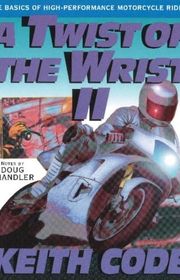
A Twist of the Wrist II
For riders who want to develop the first book's analytical approach to control. The deeper treatment of rider responses and cornering offers a focused follow-up, though its performance emphasis requires judgment about training context and experience.
What it's about
Keith Code continues his examination of motorcycle control, concentrating on the interactions between rider behavior and the machine. Discussions of attention, throttle use, steering, and cornering connect explanations of common responses with the demands of performance riding.
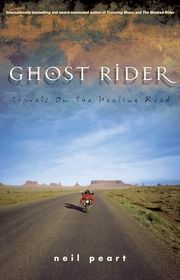
Ghost Rider
For readers drawn to a motorcycle memoir about grief and continuing with life. The sustained personal reflection gives the journey a different weight from a touring adventure, though the bereavement makes much of the book emotionally heavy.
What it's about
After the deaths of his daughter and wife, musician Neil Peart sets out on an extended motorcycle journey across North America. Riding, writing, and encounters along the road accompany his attempt to make sense of devastating loss.
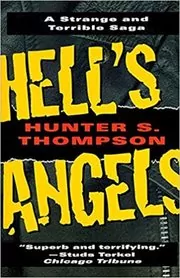
For readers interested in outlaw motorcycle culture and immersion journalism. Thompson’s close involvement provides a perspective absent from the riding guides, though its abrasive voice and focus on one historical setting make it a deliberately narrow cultural portrait.
What it's about
Based on a year spent riding with the Hells Angels in California, this book gives a close, unsentimental look at the motorcycle club’s parties, clashes with police, and internal code. Thompson’s immersion reporting exposes both their myth and the fear they inspired.
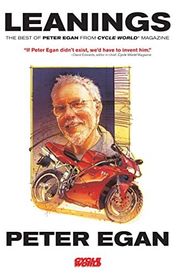
Leanings
For readers who want short motorcycle stories they can dip into between rides. The mix of workshop life, road trips, and humor captures everyday enthusiasm more directly than a single expedition, though the pieces do not form one continuous narrative.
What it's about
Peter Egan collects essays and features from his years writing for Cycle World. Stories of owning, repairing, and riding motorcycles explore roads, friendships, mechanical frustrations, and the everyday pleasures that keep enthusiasts returning to their bikes.

One Man Caravan
For readers curious about motorcycle travel before modern navigation and communications. The early journey offers a different sense of uncertainty from contemporary expeditions, though the period attitudes and conditions require reading it as a historical account.
What it's about
Robert Edison Fulton recounts the motorcycle journey he began in 1932, traveling through unfamiliar countries on an eighteen-month adventure. Encounters with people, difficult terrain, and unexpected obstacles form a personal account of exploring the world on two wheels.

The Essential Guide to Motorcycle Maintenance
For owners who want to understand how their motorcycle works before tackling maintenance or discussing repairs. Zimmerman’s explanations connect systems with practical tasks, though the broad coverage cannot replace a service manual for a specific model.
What it's about
Mark Zimmerman explains how motorcycles work and how to maintain and troubleshoot them across different brands and styles. Illustrated instructions introduce routine mechanical tasks, helping owners work on their bikes or better understand the service they receive from professionals.

For readers who want a broad introduction to motorcycle history, engineering, and culture in one illustrated volume. Its range helps connect machines with their wider context, though specialists may prefer more detail on a particular manufacturer or period.
What it's about
Armand Ensanian traces the development of motorcycles and the cultures surrounding them from their earliest machines onward. Discussions of engineering, social impact, and different styles of riding connect motorcycle history with the ways these machines are built and used.

Lone Rider: The First British Woman to Motorcycle Around the World
For readers who want a woman’s account of independent motorcycle travel before digital navigation. Beard’s practical hardships and personal reflections offer a different perspective from the supported expeditions, though the historical journey provides limited current planning information.
What it's about
Elspeth Beard recounts leaving Britain in 1982 to travel around the world on a BMW motorcycle. Her memoir combines mechanical problems, unfamiliar places, relationships, and personal setbacks with the challenges of undertaking a long journey alone.

For readers interested in how travel connects with political awakening and social inequality. Its youthful journal perspective distinguishes it from the riding manuals, though the motorcycle becomes less central than the people and conditions encountered.
What it's about
Before becoming a revolutionary, young medical student Ernesto Guevara travels through South America with his friend Alberto Granado. These journals record their adventures and hardships alongside encounters with poverty and inequality that begin to reshape Guevara's understanding of the continent.

For readers interested in Steve McQueen as a rider, racer, and collector. Its photographs and attention to particular machines give it a distinct biographical focus, though it offers less general motorcycle history or practical instruction.
What it's about
Matt Stone examines Steve McQueen's life as a motorcycle rider, racer, and collector. Photographs and historical accounts follow the machines he owned and the events he entered, connecting his off-road racing years with his later interest in antique motorcycles.
Sources
- 1
Motorcycling Books
goodreads.com
- 2
The 12 Best Motorcycle Books You Need to Read - Ride Vision
ride.vision
- 3
100 Best Motorcycle Books of All Time (Updated for 2026)
shortform.com
- 4
Ride Smart! Ride Safe! - Recommended Reading
saferideronline.com
- 5
What are some great books about motorcycles? : r/motorcycles
reddit.com
- 6
Books - Idaho STAR
idahostar.org
- 7
Get Wise With Motorcycle Riding Instructional Books
cycleworld.com
- 8
Best Motorcycle Riding Books - Riding Technique
motofomo.com
- 9
Book recommendation about/related to motorcycles
reddit.com
- 10
Recommended Books: Riding and Reflection – New England Riders
newenglandriders.org
- 11
Top 10 Motorcycle Travel and Adventure Books
ridermagazine.com
- 12
Best Motorcycle Books | Northern Ontario Travel
northernontario.travel


Edited by
Software engineer whose passion for tracking book recommendations from podcasts inspired the creation of MRB.
Lead investor at 3one4 Capital whose startup expertise and love for books helped shape MRB and its growth.
Comments
Spotted a missing book, a wrong order or a mistake? Tell us and we'll fix this page.
We're a reading guide, not the author or publisher, so we can't send books or pass on messages.