
15 Best Minimalism Books
The best minimalism books, ranked by how many expert sources recommend each one, with notes on who each suits and where to start simplifying your life.
Our take
Minimalism can begin with an overfilled cupboard, a shopping habit, or the feeling that every day is already spoken for. These books approach those problems from different directions. Some give you a method for sorting belongings. Others examine why people buy, describe personal experiments, or apply the idea of doing less to technology and commitments.
For a practical household project, The Life-Changing Magic of Tidying Up and The Joy of Less offer clear frameworks. Goodbye, Things is more useful when you want to question your attachment to possessions, while The Year of Less follows the emotions behind consumption through memoir. Minimalism for Families addresses shared homes, and Project 333 narrows the task to clothing. Digital Minimalism and Essentialism shift attention toward how you spend time. Start with the problem you most want to solve, then choose a book whose level of structure fits your daily life.
15 books · 10 sources · Last updated
As an Amazon Associate, we earn from qualifying purchases (at no extra cost to you).
How to choose from this list
Skip to the full rankingIf you want a household decluttering method: The Life-Changing Magic of Tidying Up → Spark Joy
If you prefer room-by-room guidance: The Joy of Less
If you want to rethink shopping: The Year of Less → Goodbye, Things
If you share a home with children: Minimalism for Families
If you want fewer digital distractions: Digital Minimalism
If you're overwhelmed by commitments: Essentialism
The 15 books, ranked
Ranked by how many expert sources name each book. Ties go to the book more people recommend.
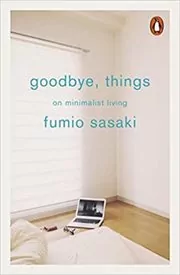
For readers who need to reconsider why they accumulate things. Sasaki's personal experiment makes the emotional appeal of owning less concrete, though his stripped-down lifestyle goes further than many households will want.
What it's about
Fumio Sasaki recounts his decision to discard belongings he did not need and the changes he experienced afterward. Personal reflections and practical tips explore minimalism, social comparison, gratitude, and the relationship between possessions and a sense of freedom.
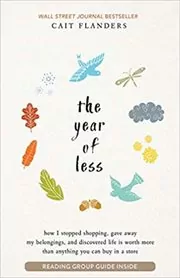
The Year of Less
For readers who recognize emotional habits behind their shopping. A year-long personal experiment gives the subject more narrative depth than an organizing manual, though its lessons emerge through memoir rather than a systematic plan.
What it's about
Cait Flanders recounts a year of buying only essential consumables while reducing her belongings and reconsidering other habits. Her shopping ban becomes a way to examine the emotions behind consumption, combining personal upheaval with reflections on debt, repair, and fulfillment.
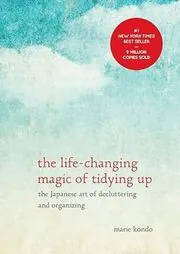
The Life-Changing Magic of Tidying Up
The Japanese Art of Decluttering and Organizing
For readers who need a clear way to decide which possessions to keep. Its category-by-category method offers more direction than a minimalist memoir, though gathering and evaluating every item can feel demanding in a crowded home.
What it's about
Marie Kondo introduces her method for simplifying and organizing a home. The guide explores how to decide which possessions to keep and how to arrange them, connecting a deliberate approach to belongings with a more satisfying living environment.
Also recommended by
1 person Harry Styles recommended this book
Harry Styles
Harry Styles was seen purchasing this book.
Harry Styles's recommendation of this book
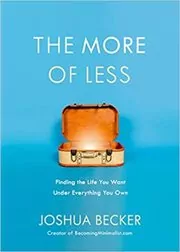
For readers who need a reason to simplify before tackling their possessions. Its family-centered examples connect owning less with other priorities, though the motivational emphasis offers less detailed organization advice than The Joy of Less.
What it's about
Joshua Becker draws on his family's experience of reducing possessions to explain a personal approach to minimalism. The guide examines consumer habits, decluttering, generosity, and the ways maintaining belongings can divert attention from relationships and other priorities.
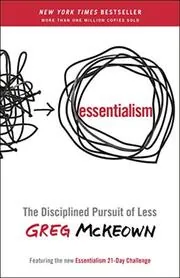
For readers whose excess lies in commitments rather than possessions. Its framework for choosing priorities extends minimalism into work and time, though the professional examples assume more freedom to say no than everyone has.
What it's about
Greg McKeown argues for deliberately identifying what matters most and eliminating commitments that distract from it. Using examples and practical methods, he explores prioritization, trade-offs, boundaries, and creating routines that support a smaller number of meaningful pursuits.
Also recommended by
7 people Noah Kagan recommended this book
Noah Kagan
Noah Kagan recommended this book in the "Tools of Titans" book.
Noah Kagan's recommendation of this book  Kevin Rose recommended this book
Kevin Rose
"Really resonated with me, and I will certainly incorporate many of these principles into my work and personal life." - Kevin Rose
Kevin Rose's recommendation of this book  Reid Hoffman recommended this book
Reid Hoffman
"Offers concise and eloquent advice on how to determine what you care about most, and how to apply your energies in ways that ultimately bring you the greatest rewards." - Reid Hoffman
Reid Hoffman's recommendation of this book  Austen Allred recommended this book
Austen Allred
Austen Allred recommended this book on his website.
Austen Allred's recommendation of this book  Steve Harvey recommended this book
Steve Harvey
"This book changed my life." - Steve Harvey
Steve Harvey's recommendation of this book  Jodie Cook recommended this book
Jodie Cook
"Do less but do it better. Wise words with application across life and business." - Jodie Cook
Jodie Cook's recommendation of this book +1
More recommendations
- Michael Hyatt
Michael Hyatt recommended this book on his website.
- Michael Hyatt
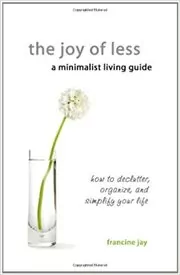
For readers who want a repeatable process and room-by-room guidance. The structured method makes it easier to turn intentions into household decisions, though the practical detail may feel repetitive if you already declutter confidently.
What it's about
Francine Jay introduces minimalist living through the ten-step STREAMLINE method and room-by-room decluttering guidance. She also considers simplifying commitments and reclaiming time, connecting decisions about possessions with a broader approach to everyday life and consumption.
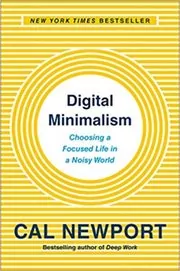
For readers whose main clutter is on screens rather than shelves. Its deliberate reset connects technology use with personal values and offline activity, though people whose work requires constant connectivity will need to adapt the boundaries.
What it's about
Newport argues for a more intentional relationship with technology: keep the tools that support what you value, and strip away the rest. The book centers on a 30-day digital declutter and better offline leisure.
Also recommended by
2 people- Jodie Cook recommended this book
Jodie Cook
"[Looks] into lifestyle design and lifestyle habits to ensure that you’re making intentional choices about how you spend your limited time on this planet." - Jodie Cook
Jodie Cook's recommendation of this book  Danny Miranda recommended this book
Danny Miranda
"An interesting perspective on how to live a focused life in a world full of noise." - Danny Miranda
Danny Miranda's recommendation of this book
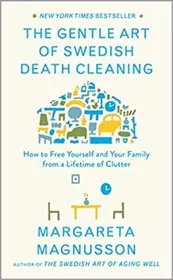
The Gentle Art of Swedish Death Cleaning
How to Free Yourself and Your Family from a Lifetime of Clutter
For readers considering downsizing or the belongings others may inherit. Its perspective on easing the burden for loved ones adds purpose beyond tidiness, though its conversational reflections offer less structure than a step-by-step organizing program.
What it's about
Margareta Magnusson explains the Swedish practice of reducing possessions before others inherit the task. Personal stories and practical suggestions address sentimental objects, household clutter, and conversations with family, connecting everyday tidying with mortality and care.
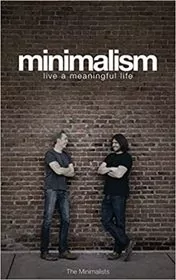
For readers who want to connect minimalism with relationships, work, and personal priorities. Its broader life focus moves beyond household sorting, though readers seeking detailed decluttering instructions may find the personal philosophy less immediately actionable.
What it's about
Joshua Fields Millburn and Ryan Nicodemus recount leaving corporate careers and reducing their possessions after years of dissatisfaction. Their account of minimalism centers on five priorities: health, relationships, passion, growth, and contribution, connecting personal experiences with changes in daily life.
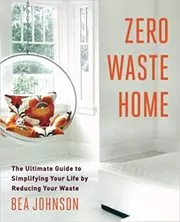
For households that want to reduce waste as well as possessions. Its attention to shopping and daily routines gives it a distinct environmental focus, though following the approach depends partly on local shops and services.
What it's about
Bea Johnson combines her family's experience of reducing waste with practical guidance for household routines. Her five principles, refuse, reduce, reuse, recycle, and rot, organize suggestions for shopping, meals, and other parts of life at home.
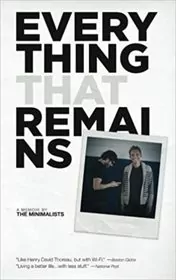
For readers who prefer a personal account of questioning success, loss, and possessions. Its memoir format gives more emotional context than a decluttering guide, though it offers fewer organized steps for changing your own home.
What it's about
After losing his mother and his marriage, Joshua Fields Millburn begins questioning the life he has built around career success and possessions. His memoir follows a turn toward more deliberate living, with interruptions and commentary from longtime friend Ryan Nicodemus.
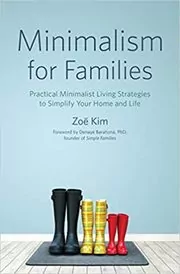
Minimalism for Families
Practical Minimalist Living Strategies to Simplify Your Home and Life
For parents trying to simplify shared spaces. Its family focus addresses children's belongings and differing preferences, though readers seeking an approach for a single-person household will find less relevant guidance.
What it's about
Zoë Kim presents minimalism as a family practice, offering strategies for clearing household clutter and involving children. Advice addresses resistance from relatives and the costs of keeping unnecessary belongings, connecting practical changes at home with time and priorities shared together.
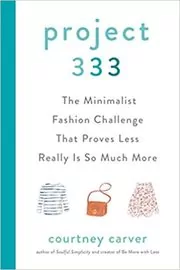
Project 333
The Minimalist Fashion Challenge That Proves Less Really is So Much More
For readers who want a defined wardrobe experiment. The three-month limit makes progress concrete, though the chosen item count will require adjustment for some jobs, climates, and routines.
What it's about
Courtney Carver introduces a wardrobe challenge: wear 33 items for three months. Guidance on sorting clothing and recognizing emotional attachments connects the practical task of choosing what to keep with reflections on shopping habits, identity, and priorities beyond fashion.
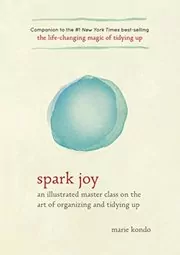
For readers who understand KonMari but need help applying it to specific belongings. Its illustrated folding and storage guidance adds practical detail, though it works better as a companion than a fresh argument for minimalism.
What it's about
Marie Kondo expands her KonMari approach with illustrated guidance on folding, storage, and sorting possessions by category. Questions about necessary objects and instructions for specific household items help readers apply her emphasis on keeping belongings that bring joy.
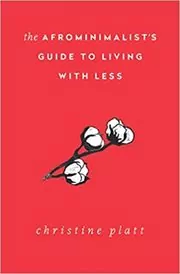
The Afrominimalist's Guide to Living with Less
For readers who want culture and identity included in discussions of ownership. Its personal approach helps examine attachment, though it gives less emphasis to a single standardized decluttering system.
What it's about
Christine Platt explores how childhood experiences, cultural expectations, and family pressures shape relationships with possessions. Her guide connects the psychology of ownership with practical reflection on needs and wants, encouraging a form of minimalism grounded in personal identity and intention.
Sources
- 1
Minimalism
goodreads.com
- 2
What were the best books you read about minimalism?
reddit.com
- 3
What are some of your favorite books about minimalism, anti-consumption, and simple living?
reddit.com
- 4
The best books on Minimalism
fivebooks.com
- 5
The Best Books on Minimalism and Simple Living
thereadinglists.com
- 6
10 Best Minimalism Books to Learn About Living With Less
bestproducts.com
- 7
8 Popular Books on Minimalism Ranked and Reviewed
whatshotblog.com
- 8
9 Best Books About Minimalism
celadonbooks.com
- 9
15 Best Books On Minimalism And Simplicity
thegoodtrade.com
- 10
Minimalism
jamesclear.com
Edited by
Software engineer whose passion for tracking book recommendations from podcasts inspired the creation of MRB.
Lead investor at 3one4 Capital whose startup expertise and love for books helped shape MRB and its growth.
Comments
Spotted a missing book, a wrong order or a mistake? Tell us and we'll fix this page.
We're a reading guide, not the author or publisher, so we can't send books or pass on messages.