
15 Best Decluttering Books
The best decluttering books, ranked by how many expert sources recommend each one, with notes on who each suits, from busy households to readers downsizing.
Our take
Decluttering books do more than suggest ways to arrange a cupboard. Some help you decide what belongs in your home, others focus on habits that prevent piles from returning, and some explore why possessions are difficult to release. A useful starting point is the obstacle you face: too little time, sentimental attachments, a move, or simply not knowing where to begin.
Decluttering at the Speed of Life fits readers who need progress alongside daily responsibilities, while The Life-Changing Magic of Tidying Up offers a more intensive category-based method. The Minimalist Home works room by room, and Outer Order, Inner Calm provides shorter ideas to try. For downsizing and family belongings, consider Let It Go or The Gentle Art of Swedish Death Cleaning. How to Keep House While Drowning takes a gentler approach to care tasks when ordinary routines feel difficult. Start with one method that suits your available energy and your household, then put a small part of it into practice.
15 books · 7 sources · Last updated
As an Amazon Associate, we earn from qualifying purchases (at no extra cost to you).
How to choose from this list
Skip to the full rankingIf you need progress around everyday responsibilities: Decluttering at the Speed of Life
If you want a focused category-based method: The Life-Changing Magic of Tidying Up
If you want a room-by-room minimalist plan: The Minimalist Home
If you're downsizing or sorting family belongings: Let It Go → The Gentle Art of Swedish Death Cleaning
If care tasks feel overwhelming: How to Keep House While Drowning
If you want worksheets to guide action: Cluttered Mess to Organized Success Workbook
The 15 books, ranked
Ranked by how many expert sources name each book. Ties go to the book more people recommend.

For readers who want short ideas they can try without adopting one rigid system. Rubin’s flexible tips invite experimentation, but the brief, illustrated format provides less sustained guidance than a room-by-room plan.
What it's about
Gretchen Rubin offers practical suggestions for decluttering and organizing possessions in ways suited to individual habits. Her illustrated guide connects choices about what to keep, discard, and retrieve with the effort to create a calmer everyday environment.
Also recommended by
1 person Ramit Sethi recommended this book
Ramit Sethi
"Exactly what you would think a smart person applying themselves to something for a year would come up with." - Ramit Sethi
Ramit Sethi's recommendation of this book

For readers whose everyday responsibilities make a major sorting project unrealistic. White emphasizes progress that fits around ordinary life and avoids creating new mess, but readers seeking minimalist philosophy may find the practical focus narrower.
What it's about
Dana White examines the emotional attachments and everyday obstacles that make decluttering difficult. Room-by-room strategies explain how to make progress amid busy schedules, recognize postponed tasks, and help other people reduce the possessions filling their homes.

For readers who see household clutter as part of an overfilled schedule and wider stress. Soukup connects possessions with commitments and personal priorities, but the biblical reflections make its Christian perspective part of the experience.
What it's about
Ruth Soukup connects household clutter with crowded schedules, stress, and emotional burdens. Personal stories, biblical reflections, and action plans explore setting limits on possessions, managing paperwork, and reconsidering obligations and relationships that consume time and attention.

The Life-Changing Magic of Tidying Up
The Japanese Art of Decluttering and Organizing
For readers who want a decisive method for evaluating possessions rather than incremental tidying tips. Kondo’s category-based approach offers a clear organizing principle, but its intensive sessions and emotional test for keeping things will not suit every household.
What it's about
Marie Kondo introduces her method for simplifying and organizing a home. The guide explores how to decide which possessions to keep and how to arrange them, connecting a deliberate approach to belongings with a more satisfying living environment.
Also recommended by
1 person Harry Styles recommended this book
Harry Styles
Harry Styles was seen purchasing this book.
Harry Styles's recommendation of this book
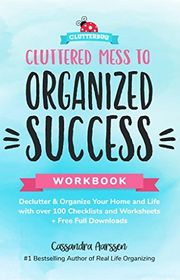
Cluttered Mess to Organized Success Workbook
For readers who want to turn organizing intentions into written plans and manageable tasks. Checklists and worksheets provide more structure than a motivational essay, but the workbook format is less useful if you prefer narrative explanations.
What it's about
Professional organizer Cassandra Aarssen combines decluttering guidance with checklists, worksheets, and household planners. Readers work through decisions about possessions and routines, using written prompts to organize tasks and create systems suited to their home and daily life.

For readers curious about a personal experiment in owning radically less. Sasaki’s reflections challenge comparison and attachment more directly than a storage manual, but his spare lifestyle may feel too extreme for many families.
What it's about
Fumio Sasaki recounts his decision to discard belongings he did not need and the changes he experienced afterward. Personal reflections and practical tips explore minimalism, social comparison, gratitude, and the relationship between possessions and a sense of freedom.
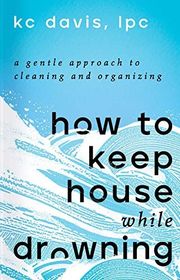
For readers who find ordinary household tasks overwhelming and need an approach without shame. Davis prioritizes making a home functional over meeting an ideal standard, but the emphasis is daily care rather than a comprehensive decluttering system.
What it's about
KC Davis reframes cleaning and organizing as practical care tasks rather than measures of personal worth. Short chapters offer flexible ways to manage household needs, reduce shame, and adapt routines when time, energy, or capacity is limited.

For readers facing a move, downsizing, or decisions about inherited belongings. Walsh gives family relationships and sentimental objects more attention than ordinary tidying guides, but the focus on major transitions may feel less relevant for routine maintenance.
What it's about
Peter Walsh addresses the practical and emotional challenges of downsizing, moving, and handling inherited possessions. His method helps readers identify meaningful belongings, navigate family decisions, and make space for a new stage of life.

For readers who want a welcoming home and manageable habits rather than an especially sparse interior. Michaels connects organizing with making space for valued activities, but the broad encouragement offers less procedural detail than a dedicated workbook.
What it's about
Melissa Michaels offers practical ideas for changing the habits that allow possessions and paperwork to accumulate. Her guide connects decluttering and organizing with creating space for valued belongings, meaningful activities, and the people who share a home.

The Gentle Art of Swedish Death Cleaning
How to Free Yourself and Your Family from a Lifetime of Clutter
For readers who want to reduce the burden their possessions may place on loved ones. Magnusson’s personal voice makes difficult conversations approachable, but it offers reflections and perspective more than a detailed organizing system.
What it's about
Margareta Magnusson explains the Swedish practice of reducing possessions before others inherit the task. Personal stories and practical suggestions address sentimental objects, household clutter, and conversations with family, connecting everyday tidying with mortality and care.

For readers who want a named method and a room-by-room route into minimalism. Jay connects practical sorting with a wider philosophy of owning less, but that philosophy can feel demanding if your goal is simply easier household routines.
What it's about
Francine Jay introduces minimalist living through the ten-step STREAMLINE method and room-by-room decluttering guidance. She also considers simplifying commitments and reclaiming time, connecting decisions about possessions with a broader approach to everyday life and consumption.

For readers who want a systematic tour of the rooms in their home. Becker turns minimalist goals into concrete decisions about each space, but the emphasis on reducing possessions offers less help with storage-heavy organizing systems.
What it's about
Joshua Becker guides readers through decluttering each room of a house or apartment, examining what to keep and why. Practical steps and personal stories connect possessions with stress, consumer habits, family priorities, and a home's purpose.

For readers who need to clarify why they want fewer possessions before beginning. Becker connects personal experience with priorities and consumer habits, but readers ready for a detailed room-by-room plan may prefer The Minimalist Home.
What it's about
Joshua Becker draws on his family's experience of reducing possessions to explain a personal approach to minimalism. The guide examines consumer habits, decluttering, generosity, and the ways maintaining belongings can divert attention from relationships and other priorities.

For busy households seeking inexpensive systems that fit into short daily sessions. Aarssen emphasizes practical routines and different organizing preferences, but the focus on managing belongings offers less of a push toward owning substantially fewer things.
What it's about
Cassandra Aarssen offers inexpensive systems for managing household clutter through short daily organizing sessions. Examples address paperwork, kitchens, toys, and family routines, helping readers build practical storage habits without requiring a complete change of lifestyle.

For readers who want to apply minimalism beyond cupboards to time, money, work, and relationships. Exercises help connect decluttering with personal priorities, but the wide scope leaves less space for detailed household sorting instructions.
What it's about
Erica Layne applies minimalist principles to home, work, family, finances, time, and relationships. Exercises, checklists, and troubleshooting advice help readers define an approach suited to their circumstances and examine physical, mental, and emotional clutter.
Sources
- 1
12 Best Decluttering Books for a Clutter-Free Home
thissimplebalance.com
- 2
10 Best Books About Decluttering To Transform Your Home
simplifycreateinspire.com
- 3
Decluttering Books
goodreads.com
- 4
14+ Best Decluttering Books That Will Change Your Life (2021)
ourhomesweethome.org
- 5
The 10 Best Decluttering Books To Get You Started
minimalismmadesimple.com
- 6
Books to motivate my decluttering
reddit.com
- 7
Recommended Reading
napomichigan.com


Edited by
Software engineer whose passion for tracking book recommendations from podcasts inspired the creation of MRB.
Lead investor at 3one4 Capital whose startup expertise and love for books helped shape MRB and its growth.
Comments
Did we miss something? Have feedback?
Help us improve this page by sharing your thoughts