
11 Best Mechanics Books
The best automotive mechanics books, ranked by how many expert sources recommend each one, with notes for choosing beginner guides, textbooks, and repair references.
Our take
Learning car mechanics can begin with understanding a component, carrying out basic maintenance, or studying diagnosis for professional work. The books here serve those different stages. Some explain systems with simple illustrations; others develop workshop procedures or concentrate on engines, electrical faults, and body repair. A technical reference is useful once you know what to look up, but can be a difficult first course.
How Cars Work provides a short introduction before Auto Repair For Dummies or Idiot's Guides Auto Repair and Maintenance. For more systematic study, Automotive Technology and Automotive Service cover the main areas of service work. Automotive Engines and Troubleshooting and Repairing Diesel Engines narrow the focus to particular machinery. The electrical guides explain circuits and testing, while Auto Body Repair Technology addresses collision work and refinishing. Bosch Automotive Handbook suits readers ready for denser reference material. Start with the illustrated primer if the parts are unfamiliar, then choose the system or type of work you want to understand.
11 books · 8 sources · Last updated
As an Amazon Associate, we earn from qualifying purchases (at no extra cost to you).
How to choose from this list
Skip to the full rankingIf you're learning the parts and basic maintenance: How Cars Work → Auto Repair For Dummies
If you want a structured automotive course: Automotive Technology → Automotive Service
If you want electrical diagnosis: Automotive Wiring and Electrical Systems → How to Diagnose and Repair Automotive Electrical Systems
If you're studying engine work: Automotive Engines → Troubleshooting and Repairing Diesel Engines
If you want collision repair and refinishing: Auto Body Repair Technology
If you need an engineering reference: Bosch Automotive Handbook
The 11 books, ranked
Ranked by how many expert sources name each book. Ties go to the book more people recommend.

Auto Repair For Dummies
For car owners who want maintenance explained before attempting unfamiliar tasks. The system-by-system approach connects parts with practical work, though the broad coverage cannot provide the model-specific procedures and specifications found in a dedicated service manual.
What it's about
Deanna Sclar introduces the workings of a car and explains common maintenance and repair tasks. Illustrated guidance is organized around automotive systems, pairing descriptions of components with practical procedures for readers learning to care for their own vehicles.

How Cars Work
For beginners who want to understand the main parts before learning repair procedures. The simple drawings and brief explanations make mechanical terms approachable, though this is an introduction to how systems work rather than instructions for diagnosing every fault.
What it's about
Tom Newton uses line drawings and brief explanations to introduce the major parts of a car. Organized around one topic per page, the illustrated primer shows beginners how individual components work and relate to the vehicle's larger systems.

Auto Body Repair Technology
For students interested in collision repair and refinishing rather than routine servicing. The wide coverage links damage assessment with structural and finishing work, though the specialist tools and workshop processes make much of it less suitable for casual home projects.
What it's about
James Duffy and Jonathan Beaty explain collision repair from damage evaluation and estimating to structural work, mechanical repairs, and refinishing. Photographs and illustrations accompany coverage of hybrid and electric vehicles, welding methods, water-based paints, and professional practices.

For readers who want engine diagnosis connected with repair and rebuilding. The dedicated focus provides more detail than a general maintenance guide, though the technical depth and required equipment assume more commitment than basic owner servicing.
What it's about
Tim Gilles explains how automotive engines operate and how technicians diagnose, repair, and rebuild them. Illustrations and case histories support discussion of repair techniques, tools, hybrid engines, and high-performance components, with emphasis on technical reasoning and professional practice.

For students who want a broad course in vehicle operation, diagnosis, and service. The short chapters and photographed procedures support structured study, though the substantial textbook is more demanding than a primer for occasional home maintenance.
What it's about
James Halderman explains the eight major areas of automotive service through short chapters, practical examples, and photographed procedures. The textbook connects vehicle operation with diagnosis and repair while introducing the terminology, tools, and working practices used by technicians.

Automotive Wiring and Electrical Systems
For readers who want to understand circuits while learning automotive wiring and modifications. The connection between electrical principles and practical projects makes it accessible, though the focus on wiring leaves broader mechanical diagnosis to other books.
What it's about
Tony Candela explains voltage, current, resistance, and circuit design before applying them to automotive wiring. Tools and practical projects show how to diagnose electrical problems, repair circuits, and modify a vehicle's electrical system for added equipment.
Bosch Automotive Handbook
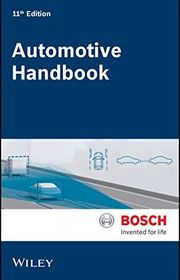
For experienced students and technicians who want technical definitions, data, and engineering principles close at hand. The compact reference covers a broad range of systems, though its dense presentation offers far less step-by-step guidance than a beginner’s textbook.
What it's about
The Bosch handbook collects automotive engineering principles and technical reference material across major vehicle systems. Diagrams, definitions, formulas, and data cover engines, electrical equipment, chassis, and related technologies for readers studying, designing, or diagnosing automotive systems.

Idiot's Guides Auto Repair and Maintenance
Easy Lessons for Maintaining Your Car So It Lasts Longer
For beginners who prefer photographed steps and plain explanations of common maintenance. The accessible format helps connect understanding with manageable jobs, though its general approach cannot cover the exact layout and procedures of every make and model.
What it's about
Dave Stribling introduces basic car maintenance and repair through illustrated explanations and photographed steps. The guide helps beginners understand their vehicles, tackle suitable jobs themselves, and recognize when a problem calls for a professional mechanic's assessment.

For learners who want workshop practices connected with the operation of major vehicle systems. The progression supports preparation for automotive service work, though the breadth and textbook detail require more sustained study than a task-based repair guide.
What it's about
Tim Gilles introduces automotive workshop practices before explaining how major vehicle systems operate. Illustrated procedures connect inspection and maintenance with diagnosis and repair, covering the principal areas of automotive technology for students preparing for service careers.

Troubleshooting and Repairing Diesel Engines
For readers working with diesel engines who want a dedicated troubleshooting reference. The coverage connects fuel, starting, cooling, and electronic systems, though the technical detail and range of engines require matching the discussion to the equipment you actually use.
What it's about
Paul Dempsey explains diesel engine operation and the procedures used to locate and repair faults. Drawings, schematics, and photographs support coverage of fuel delivery, electronic controls, turbochargers, cooling, starting systems, and other mechanical and electrical components.

How to Diagnose and Repair Automotive Electrical Systems
For readers who want to reason through electrical faults rather than replace parts by guesswork. The connection between circuit principles and testing tools supports systematic diagnosis, though the specialist focus requires patience with measurements and unfamiliar electrical concepts.
What it's about
Tracy Martin explains automotive electrical principles, from Ohm's law to twelve-volt circuits, then applies them to diagnosis and repair. He introduces testing equipment, including meters and oscilloscopes, and shows how understanding electrical behavior helps locate vehicle faults.
Sources
- 1
15 Best Auto Mechanics Books Ever for 2023 [Review] - OBD Advisor
obdadvisor.com
- 2
100 Best Mechanics Books of All Time (Updated for 2026)
shortform.com
- 3
Auto Repair Books
goodreads.com
- 4
10 Best Automotive Mechanic Books (2026 Guide)
tekmetric.com
- 5
Automotive Books & EBooks - Automotive Technology - LibGuides at Wiregrass Georgia Technical College
wiregrass.libguides.com
- 6
Book Recommendations : r/MechanicAdvice
reddit.com
- 7
The Best 9 Mechanics Books - Blinkist
blinkist.com
- 8
Young Mechanic Looking for the Best Books to Learn From : r/MechanicAdvice
reddit.com






Edited by
Software engineer whose passion for tracking book recommendations from podcasts inspired the creation of MRB.
Lead investor at 3one4 Capital whose startup expertise and love for books helped shape MRB and its growth.
Comments
Spotted a missing book, a wrong order or a mistake? Tell us and we'll fix this page.
We're a reading guide, not the author or publisher, so we can't send books or pass on messages.