
18 Best Max Lucado Books
The best Max Lucado books, ranked by how many expert sources recommend each one, with notes on who each suits, from devotional readers to families reading together.
Our take
Max Lucado writes Christian encouragement through short reflections, familiar biblical stories, and everyday illustrations. His adult books often begin with a concern such as worry, guilt, fear, or disappointment, then return to a passage of scripture. His children’s stories use simple characters and allegories to explore love, belonging, and personal worth.
The right starting point depends on the kind of reading you want. Before Amen addresses beginning to pray, while Anxious for Nothing focuses on worry through Philippians 4. Traveling Light uses Psalm 23 to consider emotional burdens, and You’ll Get Through This follows Joseph’s story through hardship. For a more direct focus on Christian belief, 3:16: The Numbers of Hope and He Chose the Nails explore the gospel and crucifixion. These are pastoral and devotional books, so their strength is accessible reflection rather than academic argument. Start with a theme that matches your present questions, or choose You Are Special if you want a story to share with a child.
18 books · 6 sources · Last updated
As an Amazon Associate, we earn from qualifying purchases (at no extra cost to you).
Reading Max Lucado in order? See all Max Lucado books in order
How to choose from this list
Skip to the full rankingIf you want to begin praying: Before Amen
If you want devotional support with worry: Anxious for Nothing → Traveling Light
If you're reading through hardship: You'll Get Through This → Facing Your Giants
If you want to reflect on grace: In the Grip of Grace → Grace
If you're reading with children: You Are Special → The Crippled Lamb
The 18 books, ranked
Ranked by how many expert sources name each book. Ties go to the book more people recommend.
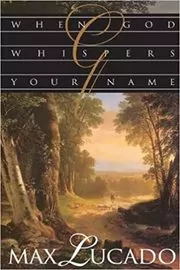
For readers who want short reflections about being seen and remembered by God. Its varied biblical stories suit occasional reading, though the collection provides less sustained exploration of one concern than the more focused books.
What it's about
Short reflections for readers who feel overlooked, tired, or uncertain. Lucado draws on biblical stories to emphasize God's personal attention and steady presence.
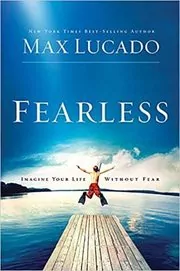
For Christian readers who want to reflect on fear across several areas of life. Its broad scope distinguishes it from the more focused Anxious for Nothing, though it offers spiritual encouragement rather than personalised problem-solving.
What it's about
Lucado addresses the many forms fear takes, from anxiety and uncertainty to loss and danger. He invites readers to build a life shaped more by faith than by panic.
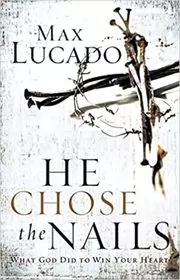
For readers who want to reflect on the crucifixion through concrete images and brief devotional chapters. Its focus makes it useful for Easter reading, though it offers pastoral reflection rather than a detailed historical study.
What it's about
Lucado studies the objects and moments surrounding Jesus' crucifixion, including the nails, cross, and crown. Each chapter considers what Christ's sacrifice says about love and forgiveness.
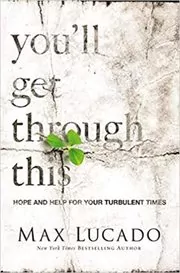
For readers facing betrayal, loss, or a difficult season who want Christian encouragement. Joseph’s story gives the hope a narrative foundation, though it does not provide a practical solution to every kind of hardship.
What it's about
Using Joseph's story, Lucado writes to people in the middle of betrayal, loss, or disappointment. The book does not deny pain, but argues that hardship is not the final word.
For Christian readers who want prayer and gratitude to structure their response to worry. Its focus on Philippians 4 gives the encouragement a clear anchor, though it is devotional support rather than a clinical anxiety guide.
What it's about
Using Philippians 4, Lucado offers a practical path for confronting anxiety through prayer, gratitude, and trust. The book speaks to persistent worry without offering easy fixes.
For readers who feel unsure what to say when they pray. Its simple pattern makes beginning feel manageable, though those seeking a detailed account of Christian prayer traditions will need a broader companion.
What it's about
Lucado makes prayer feel less intimidating by starting with plain, honest words. He offers a simple pattern for readers who want to pray but are unsure how to begin.
For readers who find biblical stories more helpful than abstract encouragement when facing a hard problem. David’s experiences give the reflections a narrative thread, though the devotional applications simplify a much larger scriptural history.
What it's about
Using David and Goliath as a starting point, Lucado addresses intimidating problems and persistent fears. He encourages readers to focus less on the giant and more on God.
For readers who want Lucado’s central message of undeserved love in one focused volume. Its emphasis on receiving rather than earning offers reassurance, though the illustrative devotional style is less analytical than a theology textbook.
What it's about
Lucado explores grace as the foundation of Christian life, not a reward for good behavior. He writes about forgiveness, acceptance, freedom, and letting grace reshape relationships.
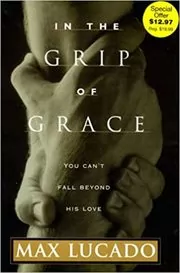
For readers wrestling with guilt or the idea that God’s acceptance must be earned. Its focus on grace gives the reassurance theological direction, though readers wanting close scholarly analysis of Romans will find a different kind of book.
What it's about
Lucado explores grace as God's undeserved gift, not something earned by effort or good behavior. He uses biblical characters and personal-scale examples to address guilt and freedom.
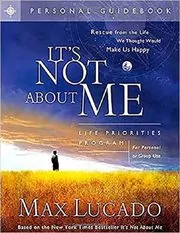
For readers who want a devotional challenge to self-centred ambition. Its attention to purpose distinguishes it from Lucado’s books aimed mainly at comfort, though the central message is intentionally repeated through varied examples.
What it's about
Lucado challenges the habit of putting the self at the center of every decision. He argues that life becomes fuller when people join God's larger purposes.
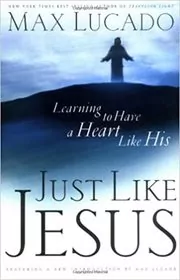
For Christians who want their devotional reading to connect with everyday character and relationships. Its focus on Jesus’ example gives it a practical orientation, though it offers reflections rather than a detailed programme for changing habits.
What it's about
Lucado asks what might change if believers grew to reflect the heart of Jesus. He explores compassion, forgiveness, prayer, purity, and trust in practical devotional chapters.
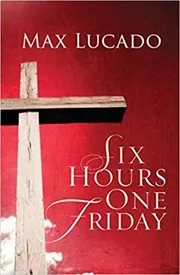
For readers who want hope and forgiveness explored through the events of the crucifixion. Its pastoral stories connect the theme with personal struggle, though the reflective approach offers less historical detail than a study of the Passion narratives.
What it's about
Lucado pauses over the six hours Jesus spent on the cross. His reflections connect Christ's suffering with forgiveness, suffering, love, and hope for wounded people.
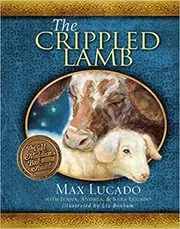
The Crippled Lamb
For families seeking a short Christmas story about belonging and feeling left behind. Its Nativity setting gives the message a clear Christian focus, though the reassuring resolution is deliberately simpler than real experiences of exclusion.
What it's about
Joshua, a lamb with a damaged leg, fears he has little to offer. His unusual path leads him close to the first Christmas and gives his weakness a meaningful place.
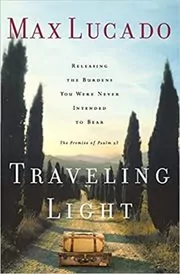
For readers who connect with the idea of worry and guilt as burdens to release. Its sustained use of Psalm 23 gives the reflections cohesion, though the advice stays within a Christian devotional framework.
What it's about
Drawing on Psalm 23, Lucado helps readers identify burdens such as fear, guilt, control, and exhaustion. The book invites them to travel through life with a lighter load.
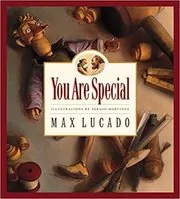
For families who want a story about worth that does not depend on other people’s approval. The Wemmicks make the idea concrete for children, though its simple allegory leaves little room for ambiguity.
What it's about
Punchinello lives among wooden Wemmicks who hand out stars and gray dots to judge one another. A visit to Eli, his maker, teaches him that his worth is not decided by others.
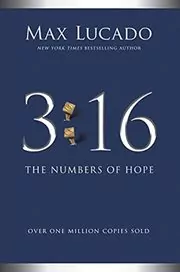
For readers who want a straightforward introduction to Lucado’s understanding of the gospel. Its close focus on one familiar verse makes the message accessible, though it offers less theological breadth than a systematic introduction.
What it's about
Lucado centers this book on John 3:16 and its message of God's love, salvation, and eternal life. It offers a straightforward introduction to the heart of the gospel.
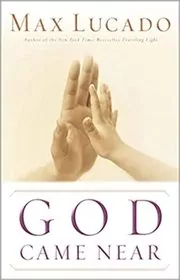
For readers who want to reflect on Jesus’ humanity and the meaning of the incarnation. Its imaginative approach makes familiar scenes feel personal, though the meditations are not a historical reconstruction or scholarly commentary.
What it's about
A warm meditation on the incarnation and the human life of Jesus. Lucado considers what it means that God entered an ordinary, messy world and came close to people.
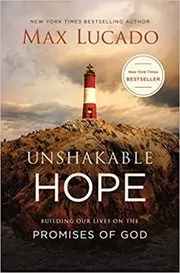
For Christian readers who want to organise devotional reading around biblical promises. Its repeated return to particular assurances gives it structure, though it encourages trust within an existing faith commitment rather than arguing for that faith.
What it's about
Lucado builds a case for hope around key promises of God. The book addresses uncertainty, fear, suffering, and death with a focus on what believers can hold onto.
Sources
- 1
Best Max Lucado Books: Top 12 List
godtube.com
- 2
The Top 11 Best Max Lucado Books You Should Never Miss! (May 2025)
becomingchristians.com
- 3
10 Inspiring Max Lucado Books to Explore
christianity.com
- 4
Books by Max Lucado (Author of You Are Special)
goodreads.com
- 5
The Lucado Reader’s Guide
lizjohnsonbooks.com
- 6
Top 10 Max Lucado Books | Eden Blog
eden.co.uk


Edited by
Software engineer whose passion for tracking book recommendations from podcasts inspired the creation of MRB.
Lead investor at 3one4 Capital whose startup expertise and love for books helped shape MRB and its growth.
Comments
Spotted a missing book, a wrong order or a mistake? Tell us and we'll fix this page.
We're a reading guide, not the author or publisher, so we can't send books or pass on messages.