
6 Best Chinese Medicine Books
The best Chinese medicine books, ranked by how many expert sources recommend each, with notes for readers choosing introductions, history, and study guides.
Our take
Chinese medicine books range from introductions to traditional concepts to translations of early texts and substantial training manuals. They may explain ideas such as interconnected patterns, constitutional types, or relationships between people and their surroundings. Reading these accounts can clarify how a tradition understands health, while evaluating particular medical claims requires a different kind of evidence. It helps to decide whether your main interest is cultural understanding, history, or formal study.
Between Heaven and Earth offers a conversational introduction, while The Web That Has No Weaver explains the conceptual framework more systematically. The Yellow Emperor’s Classic of Medicine opens a classical tradition through translation and commentary. For a historical perspective, Medicine in China traces how ideas developed and competed; The Foundations of Chinese Medicine is a much larger textbook intended for sustained study. Start with an introduction for vocabulary and context, then turn to a history or a classical text before approaching specialist training material.
6 books · 6 sources · Last updated
As an Amazon Associate, we earn from qualifying purchases (at no extra cost to you).
How to choose from this list
Skip to the full rankingIf you want an accessible introduction: Between Heaven and Earth → The Web That Has No Weaver
If you want historical context: Medicine in China
If you want a classical text: The Yellow Emperor's Classic of Medicine
If you’re beginning formal study: The Web That Has No Weaver → The Foundations of Chinese Medicine
If you want to examine traditional food ideas: Healing With Whole Foods
The 6 books, ranked
Ranked by how many expert sources name each book. Ties go to the book more people recommend.

For readers who want the internal logic and pattern-based vocabulary of Chinese medicine explained systematically. Kaptchuk makes the conceptual differences clear, though understanding a diagnostic tradition is different from establishing its accuracy or treatment effectiveness.
What it's about
Ted Kaptchuk explains the concepts and diagnostic framework of traditional Chinese medicine for Western readers. He explores its emphasis on interconnected patterns of disharmony and contrasts that perspective with Western approaches to understanding illness.

For general readers who want an accessible introduction to the concepts and constitutional types used in traditional Chinese medicine. Its conversational approach lowers the entry barrier, though the traditional framework should be distinguished from established clinical evidence.
What it's about
Harriet Beinfield and Efrem Korngold introduce the philosophy and practice of traditional Chinese medicine for Western readers. They explain its theories, therapeutic approaches, and constitutional types, presenting the connections this tradition draws between mind, body, and health.

For readers interested in how one author connects food choices with traditional Asian medical ideas. The extensive ingredient discussions make it a substantial reference, though therapeutic dietary claims require separate evaluation rather than acceptance as medical guidance.
What it's about
Paul Pitchford combines ideas from traditional Asian medicine with modern nutrition in a guide to food and individual constitution. Discussions of ingredients, dietary patterns, and recipes explain his approach to choosing whole foods and understanding their proposed therapeutic roles.
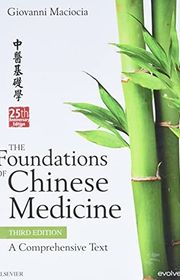
The Foundations of Chinese Medicine
For students who need a substantial account of Chinese medical theory and its diagnostic categories. The textbook structure supports formal study, though its clinical material assumes training and should not be treated as instructions for self-diagnosis or treatment.
What it's about
Giovanni Maciocia introduces traditional Chinese medical concepts, organ functions, diagnostic methods, and patterns of disharmony. The textbook progresses from theoretical foundations toward interpretation and practice, using illustrations and study material for students of acupuncture and Chinese herbal medicine.
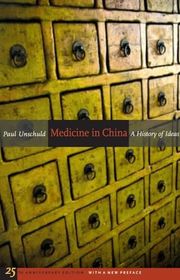
Medicine in China: A History of Ideas
For readers who want to understand how Chinese medical ideas developed rather than learn a present-day practice method. The historical analysis adds critical context to introductory manuals, though the scholarly detail makes it a slower read.
What it's about
Paul Unschuld traces the development of medical thought in China, examining competing explanations of illness and the social and intellectual settings in which they arose. The history follows changing concepts rather than presenting one timeless, unified medical system.

The Yellow Emperor's Classic of Medicine
For readers who want an approachable interpretation of a foundational classical text. The dialogue form opens the tradition’s cosmological thinking, though this is an interpreted historical work rather than a contemporary clinical manual or a complete translation of the Neijing.
What it's about
Maoshing Ni translates and interprets the Suwen section of the Neijing, a foundational text of traditional Chinese medicine. Dialogues between the Yellow Emperor and his ministers explore diagnosis, treatment, prevention, ethics, and cosmology within an interconnected view of life.
Sources
- 1
Our Favorite Books for an Introduction to Chinese Medicine
balancecharleston.com
- 2
Best Books for an Introduction to Acupuncture and Chinese Medicine
wildearthacupuncture.com
- 3
Chinese Medicine Books
goodreads.com
- 4
Any books or other resource recommendations for understanding patterns of disease to form a diagnosis?
reddit.com
- 5
Reading List For CICM
acupuncturecollege.org.uk
- 6
Recommended Books
tcmcn.com




Edited by
Software engineer whose passion for tracking book recommendations from podcasts inspired the creation of MRB.
Lead investor at 3one4 Capital whose startup expertise and love for books helped shape MRB and its growth.
Comments
Spotted a missing book, a wrong order or a mistake? Tell us and we'll fix this page.
We're a reading guide, not the author or publisher, so we can't send books or pass on messages.