
11 Best Knitting Books
The best knitting books, ranked by expert source recommendations, with notes to help you choose beginner lessons, technique references, stitch patterns, and sweater guides.
Our take
Knitting books can solve very different problems. A beginner needs clear demonstrations of basic stitches and a manageable project, while an experienced knitter may need help with fit, yarn behavior, or a particular finishing technique. Stitch dictionaries supply ideas to incorporate into designs; they generally do not replace a complete garment pattern. Choosing by the job you need the book to do is more useful than collecting several overlapping references.
Stitch 'n Bitch offers a friendly route through basic skills and projects. Vogue® Knitting and The Knitter's Book of Knowledge work as broader references, while The Principles of Knitting develops the reasoning behind different methods in greater depth. For stitch inspiration, try A Treasury of Knitting Patterns before the more intricate Japanese Knitting Stitch Bible. Amy Herzog's Ultimate Sweater Book is for adapting garment structures rather than simply copying a pattern. Start with a beginner handbook if the stitches are new, then add the reference that answers your project’s next question.
11 books · 7 sources · Last updated
As an Amazon Associate, we earn from qualifying purchases (at no extra cost to you).
How to choose from this list
Skip to the full rankingIf you are learning the basics: Stitch 'n Bitch
If you want a general reference: Vogue® Knitting → The Principles of Knitting
If you want help with errors and repairs: The Knitter's Book of Knowledge
If you want stitch-pattern inspiration: A Treasury of Knitting Patterns → Japanese Knitting Stitch Bible
If you want to adapt sweater construction: Amy Herzog's Ultimate Sweater Book
If you want a more improvisational approach: Knitting Without Tears
The 11 books, ranked
Ranked by how many expert sources name each book. Ties go to the book more people recommend.

For knitters who want a broad illustrated reference to keep beside projects. Its range makes it useful from basic techniques through finishing and design, though the size and reference structure are less directed than a first course.
What it's about
This knitting reference brings together guidance on yarn, tools, casting on, shaping, and finishing with instructions for more specialized techniques. Illustrated explanations also address garment design and fit, giving knitters a resource for planning projects and resolving problems during construction.

A Treasury of Knitting Patterns
For knitters who want stitch patterns they can reuse in their own designs. Walker’s range makes it a durable source of ideas, though the older presentation requires more comfort with written instructions than modern, highly illustrated guides.
What it's about
Barbara G. Walker assembles a directory of knitting stitch patterns for use in other projects. Knit-and-purl textures, ribs, colorwork, lace, and cables offer different surface effects, giving knitters material to incorporate into their own garment and accessory designs.

Herrschners® The Knitter's Book of Yarn
For knitters who want to understand why yarns behave differently before choosing a project. The connection between fiber properties and practical examples makes shopping more informed, though it is not a replacement for a general technique reference.
What it's about
Clara Parkes explains how fiber, spinning, and ply affect the behavior of knitting yarn. Patterns put those material characteristics into practice, helping knitters connect their choices with a project's texture, durability, and tendency to shrink or pill.
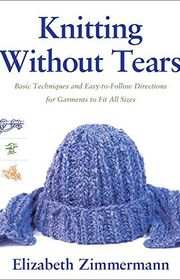
Knitting Without Tears
For knitters who want to understand construction and become less dependent on rigid instructions. Zimmermann’s encouraging, opinionated approach supports experimentation, though the conversational guidance and period materials suit readers willing to think through adaptations themselves.
What it's about
Elizabeth Zimmermann explains knitting techniques and garment construction in a conversational guide centered on practical problem solving. Advice on gauge, shaping, and working sweaters encourages readers to understand their knitting and adapt designs rather than follow instructions mechanically.

The Principles of Knitting
For knitters who want to understand alternative methods and the reasoning behind them. The depth rewards repeated consultation as skills develop, though its large size and detailed explanations can overwhelm someone looking for a quick first lesson.
What it's about
June Hemmons Hiatt explains knitting techniques and the reasoning behind different ways to perform them. The revised reference covers foundational skills alongside shaping, colorwork, lace, and cables, helping readers compare methods and select approaches suited to particular projects.

For experienced knitters who enjoy intricate textures and chart-based patterns. The stitch combinations offer detailed design inspiration, though reading the charts and executing the techniques make it a demanding choice for someone still learning the basics.
What it's about
Hitomi Shida presents 260 knitting patterns, including cables, popcorn stitches, and decorative edgings. Diagrams explain their construction, while small projects offer practice combining intricate motifs, lace, and pattern arrangements for knitters who already have experience with the craft.

Stitch 'n Bitch Nation
For knitters who know the basics and want a varied collection with guidance on adapting designs. The community emphasis keeps the tone approachable, though it is a follow-up and the early-2000s pattern styles may not suit everyone.
What it's about
Debbie Stoller combines 50 knitting patterns with techniques, shortcuts, and guidance on adapting designs. Photographs and instructions accompany projects, while profiles of knitting groups connect the practical work of making garments and accessories with a wider crafting community.
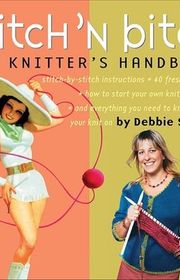
Stitch 'n Bitch: The Knitter's Handbook
For beginners who want instruction tied to projects and an informal teaching voice. The illustrated progression makes the basics approachable, though the pattern styles reflect the early 2000s and may be less appealing than the enduring techniques.
What it's about
Debbie Stoller introduces knitting tools, foundational stitches, shaping, and decorative techniques through illustrated instructions. A collection of projects puts those skills into practice, while advice on common problems and knitting communities supports readers building confidence with the craft.

For knitters ready to plan sweaters around construction, gauge, and fit. The adaptable structures offer more freedom than following one fixed pattern, though that flexibility depends on taking measurements and making calculations rather than skipping the preparation.
What it's about
Amy Herzog develops sweater designs around four constructions: yoke, raglan, drop shoulder, and set-in sleeve. Instructions accommodate different sizes and gauges, while guidance on necklines, hoods, pockets, and cardigan openings helps knitters adapt the underlying structures.

For knitters who want illustrated help with techniques, errors, and repairs in one reference. The practical range suits returning to specific problems, though a reference format gives less direction than working through a single beginner project.
What it's about
Debbie Bliss surveys knitting from equipment and casting on through shaping, colorwork, and finishing. Illustrated explanations address techniques including cables, intarsia, and knitting in the round, alongside practical guidance for recognizing mistakes, correcting them, and repairing knitted work.

For knitters who want a large visual menu of surface patterns to adapt. The color swatches help compare textures quickly, though a stitch directory does not supply the sizing and construction instructions needed for a complete garment.
What it's about
This reference collects 750 knitting stitches, illustrated with color swatches, across textures, cables, colorwork, ribs, and edgings. An introductory section covers yarn, needles, gauge, shaping, and finishing, connecting the stitch directory with the practical steps involved in making projects.
Sources
- 1
The best knitting books for beginners and advanced knitters
nimble-needles.com
- 2
11 Best Books For Knitters In 2022
thecreativefolk.com
- 3
TKGA Master Hand Knitting Program Resource List
tkga.org
- 4
Must-have Knitting Books
goodreads.com
- 5
What’s a knitting book on your shelf that you’d recommend to others?
reddit.com
- 6
47 Best Knitting Books For Beginners To Advanced Knitters
knitlikegranny.com
- 7
The 5 Best Knitting Books Of All Time
knitfreedom.com






Edited by
Software engineer whose passion for tracking book recommendations from podcasts inspired the creation of MRB.
Lead investor at 3one4 Capital whose startup expertise and love for books helped shape MRB and its growth.
Comments
Spotted a missing book, a wrong order or a mistake? Tell us and we'll fix this page.
We're a reading guide, not the author or publisher, so we can't send books or pass on messages.