
James Baldwin Books in Order
Browse James Baldwin books in order with summaries, reading guides, and where-to-start tips, plus an overview of his key novels, essays, plays, and themes.
Last updated:
As an Amazon Associate, we earn from qualifying purchases (at no extra cost to you).
James Baldwin books in publication order
37 books
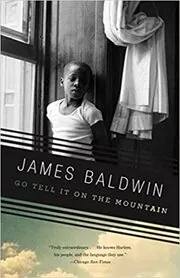
Go Tell It on the Mountain
by James Baldwin
1952
Drawing on Baldwin's own youth, this novel centers on John Grimes, a preacher's stepson in 1930s Harlem, as a single day in church and memory forces him to confront faith, family secrets, and the weight of his father's rage.
Recommended by
1 person Levar Burton recommended this book
Levar Burton
One of Levar Burton's book recommendations.
Levar Burton's recommendation of this book
The Amen Corner
by James Baldwin
1954
Set in a small Harlem church and the adjoining apartment, this play follows Pastor Margaret Alexander as the return of her estranged husband and her son's growing love of jazz force her to confront hypocrisy, faith, and family sacrifice.
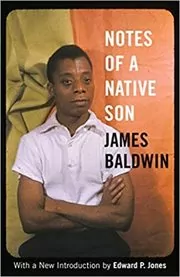
Notes of a Native Son
by James Baldwin
1955
This landmark essay collection blends memoir and criticism, including Baldwin's account of his father's death and the 1943 Harlem riot. Across ten pieces he examines race, religion, and colonialism in the United States and Europe.
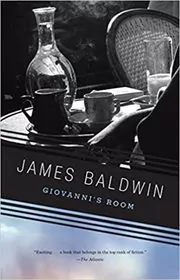
Giovanni's Room
by James Baldwin
1956
Set in 1950s Paris, this short novel follows David, an American man engaged to a woman, whose love affair with the Italian bartender Giovanni forces him to face his sexuality, self deception, and the cost of living a lie.
Sonny's Blues
by James Baldwin
1957
In this classic short story, a Harlem schoolteacher struggles to reconnect with his younger brother Sonny, a jazz pianist recently released from jail. Their night in a downtown club becomes a hard won understanding of suffering, addiction, and the saving power of music.
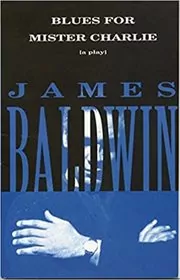
Blues for Mister Charlie
by James Baldwin
1961
Loosely inspired by the murder of Emmett Till, this three act drama depicts the killing of a young Black man in a small Southern town and the trial that follows. Baldwin lays bare the intertwined guilt, fear, and hatred that sustain Jim Crow.
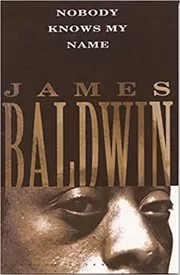
Nobody Knows My Name
by James Baldwin
1961
In these essays Baldwin returns from abroad to examine America in the late 1950s. He writes about the South, the civil rights struggle, literary idols and rivals, and the uneasy role of the Black writer in a segregated country.
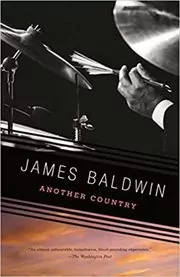
Another Country
by James Baldwin
1962
Beginning with the fall of a brilliant Black jazz musician, this sprawling novel follows his friends and lovers across Harlem, Greenwich Village, and Paris. Baldwin explores interracial relationships, queerness, and betrayal in a city simmering with racial tension.
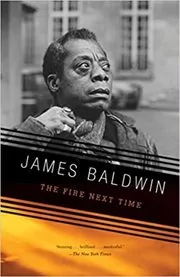
The Fire Next Time
by James Baldwin
1963
Composed of two linked essays, The Fire Next Time begins as a letter to Baldwin's nephew and widens into a fierce meditation on race, religion, and history, urging America to confront its racial nightmare before it is too late.
Recommended by
2 people Ta-Nehisi Coates recommended this book
Ta-Nehisi Coates
"Basically the finest essay I've ever read." - Ta-Nehisi Coates
Ta-Nehisi Coates's recommendation of this book  Diane Rehm recommended this book
Diane Rehm
"Was a national best seller and was seen as a voice for the emerging Civil Rights movement." - Diane Rehm
Diane Rehm's recommendation of this book
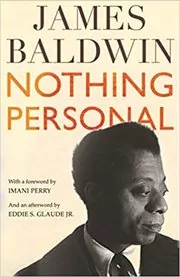
Nothing Personal
by James Baldwin
1964
A collaboration between Baldwin and photographer Richard Avedon, this large format book pairs Baldwin's searching essay on American identity, celebrity, and racism with stark black and white portraits. Together they offer an unflinching portrait of the United States in the 1960s.
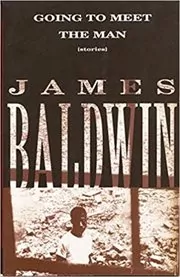
Going to Meet the Man
by James Baldwin
1965
This story collection gathers eight of Baldwin's most powerful pieces of fiction, including Sonny's Blues. The tales portray children, lovers, and lawmen confronting racism, addiction, sexuality, and violence in Harlem and the Jim Crow South.
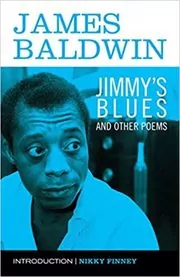
Jimmy's Blues
by James Baldwin
1968
This volume gathers Baldwin's poetry, ranging from early lyrics to later, longer pieces. The poems move through love affairs, spiritual doubt, politics, and jazz rhythms, giving another angle on themes he explored in his fiction and essays.
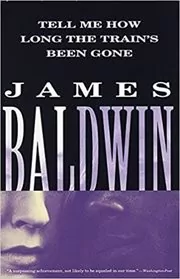
Tell Me How Long the Train's Been Gone
by James Baldwin
1968
Leo Proudhammer, a successful Black actor, collapses onstage and looks back over his life, from a poor Harlem childhood to bohemian Greenwich Village and the civil rights era. The novel explores art, bisexual desire, politics, and the price of fame.

Black Anti Semitism And Jewish Racism
by James Baldwin
1969
First published in 1969, this anthology brings together Baldwin's essay Negroes Are Anti Semitic Because They Are Anti White with pieces by Jewish and Black writers. The contributors examine tensions and misunderstandings between the two communities and argue over their shared history.
One Day When I Was Lost
by James Baldwin
1969
Based on The Autobiography of Malcolm X, this work presents Baldwin's scenario for a film about Malcolm's life. Told in cinematic scenes and voice overs, it traces Malcolm's journey from street hustler to minister and global spokesman.
A Rap on Race
by James Baldwin
1971
Drawn from long recorded conversations between Baldwin and anthropologist Margaret Mead, this book ranges across race, gender, power, religion, and history. Their arguments and points of agreement offer an unusually candid cross generational dialogue about America and the wider world.

Harlem, U.S.A.
by James Baldwin
1971
Harlem, U.S.A. collects essays, reports, and commentary about Harlem as a city within a city, edited by John Henrik Clarke. The book traces the neighborhood's political, cultural, and economic life through the words of writers, activists, and residents, including Baldwin.
No Name in the Street
by James Baldwin
1972
In this memoiristic work Baldwin reflects on the assassinations of friends like Medgar Evers, Malcolm X, and Martin Luther King Jr., his own travels through the South and abroad, and the unfinished business of the civil rights era.
A Dialogue
by James Baldwin
1973
This book transcribes a charged 1971 conversation between Baldwin and poet Nikki Giovanni. Speaking before a live audience, they debate love, work, gender roles, and the anger and tenderness that shape relationships between Black women and Black men.
If Beale Street Could Talk
by James Baldwin
1974
Told from the perspective of nineteen year old Tish, this Harlem love story follows her fight to free her fiancé Fonny after he is jailed on a false charge. Family loyalty, systemic racism, and hope collide as she carries their child.
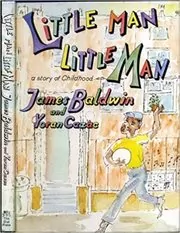
Little Man, Little Man
by James Baldwin
1976
Subtitled A Story of Childhood, this short novel follows four year old TJ as he roams his Harlem block with friends WT and Blinky. Through a child's eyes Baldwin shows neighbors, police, danger, and joy in a tightly knit Black community.
The Devil Finds Work
by James Baldwin
1976
Part memoir, part film criticism, this extended essay traces Baldwin's life at the movies from childhood matinees to Hollywood thrillers. Reading films alongside American history, he exposes how cinema both reflects and reinforces racist fantasies.
Just Above My Head
by James Baldwin
1978
Narrated by Hall Montana, this expansive novel tells the story of his younger brother Arthur, a gospel singer who becomes an internationally known performer. Through their family and friends, Baldwin explores Black church life, queer love, music, and political struggle across decades.
The Evidence of Things Not Seen
by James Baldwin
1985
Commissioned after the Atlanta child murders of 1979 to 1981, this book length essay examines those killings and the official response. Baldwin uses the case to probe the criminal justice system, Southern history, and the fragile value placed on Black lives.
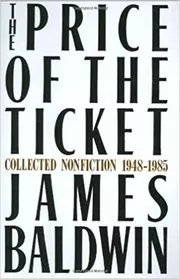
The Price of the Ticket
by James Baldwin
1985
An expansive collection of Baldwin's nonfiction, The Price of the Ticket gathers essays from 1948 to 1985 that trace his thinking on race, identity, exile, and America, from early reportage to late, hard won reflections.
Recommended by
1 person Sarah Lewis recommended this book
Sarah Lewis
"[This book contains one essay] that should be a map for any innovator called 'The Creative Process.'" - Sarah Lewis
Sarah Lewis's recommendation of this book

The Fights
by James Baldwin
1996
This illustrated volume pairs Charles Hoff's black and white boxing photographs with essays by noted writers, among them James Baldwin. Together the images and texts capture famous bouts, local gyms, fighters' lives, and the brutal beauty of the sport.
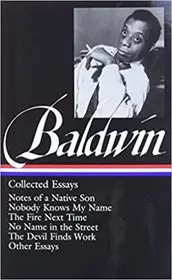
Baldwin: Collected Essays
by James Baldwin
1998
Edited for the Library of America, this volume brings together Baldwin's major nonfiction books Notes of a Native Son, Nobody Knows My Name, The Fire Next Time, No Name in the Street, and The Devil Finds Work, plus additional essays and reviews.
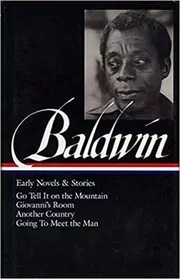
James Baldwin: Early Novels & Stories
by James Baldwin
1998
This Library of America volume gathers Baldwin's early fiction in one place, including the novels Go Tell It on the Mountain, Giovanni's Room, and Another Country, along with the story collection Going to Meet the Man and other short works.
Fifty Famous People
by James Baldwin
2003
Intended for younger readers, this classic collection presents short narrative sketches of historical figures from many times and places. Each story highlights a decisive moment or choice, offering simple, moral tinged portraits of courage, wisdom, and character.
Native Sons
by James Baldwin
2004
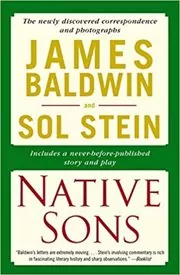
Co written with editor Sol Stein, Native Sons recounts Baldwin's long friendship and creative partnership with Stein around the making of Notes of a Native Son. The book mixes memoir, letters, photographs, and two collaborative works published here in full.
Vintage Baldwin
by James Baldwin
2004
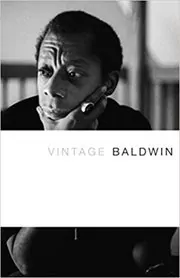
Designed as an introduction to Baldwin's work, this anthology samples his writing across genres. It includes the story Sonny's Blues, key essays such as My Dungeon Shook and Fifth Avenue, Uptown, and excerpts from Another Country and The Amen Corner.
The Cross of Redemption
by James Baldwin
2011
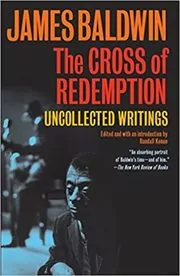
Collected after Baldwin's death, The Cross of Redemption gathers previously uncollected essays, reviews, interviews, and speeches. The pieces range from early book reviews to late reflections on politics, art, Black nationalism, religion, and the risks of telling the truth in public.

James Baldwin
by James Baldwin
2014
Part of a Last Interview series, this book collects Baldwin's final extended conversation, conducted in 1987, along with earlier interviews. He speaks about his Harlem childhood, friendships with artists and musicians, life in Europe, and his evolving views on race and writing.

I Am Not Your Negro
by James Baldwin
2017
Created to accompany Raoul Peck's documentary, this book assembles Baldwin's words from his unfinished project Remember This House and other writings. It uses his voice to reflect on the lives and deaths of Medgar Evers, Malcolm X, and Martin Luther King Jr., and on racism's enduring shape.

Encounter on the Seine
by James Baldwin
2024
Focusing on Baldwin's years in France and Switzerland, this collection brings together essays such as Encounter on the Seine, A Question of Identity, Equal in Paris, and Stranger in the Village. He probes how race, nationality, and exile feel when one is far from home.

Everybody's Protest Novel
by James Baldwin
2024
This slim volume gathers several of Baldwin's key early essays, including Everybody's Protest Novel and Many Thousands Gone. He critiques sentimental pictures of Black suffering in books and films and argues for fiction that faces the complexity of human lives.

Robinson Crusoe
by James Baldwin
2024
In this adaptation of Daniel Defoe's tale for younger readers, the story of Robinson Crusoe is retold in clear, accessible language. It follows Crusoe's shipwreck, survival on a deserted island, encounter with Friday, and gradual reckoning with solitude and dependence.
Where to start with James Baldwin
If you want a powerful first novel about faith and family: Go Tell It on the Mountain.
If you want his boldest fiction on love and sexuality: Giovanni's Room → Another Country → Just Above My Head.
If you want searing essays on race in America: Notes of a Native Son → The Fire Next Time → No Name in the Street → The Evidence of Things Not Seen.
If you want a contemporary love story with injustice at its core: If Beale Street Could Talk.
If you prefer an all in one sampler: Vintage Baldwin → James Baldwin: Early Novels & Stories → Baldwin: Collected Essays.
James Baldwin collections, short stories, and related book types
Non-Fiction Books
Plays
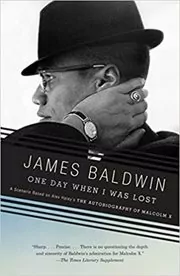
by James Baldwin
1969A Scenario Based on Alex Haley's The Autobiography of Malcolm X
Short Story Collections
Standalone James Baldwin books
Author bio
James Baldwin was born in Harlem, New York, on August 2, 1924, the eldest of nine children. His mother, Emma Berdis Jones, had left segregated Maryland for the promise of the city; a few years later she married David Baldwin, a stern Baptist preacher whose surname James took. The family lived with little money and constant tension, and he found refuge early in the quiet corners of libraries.
Baldwin read voraciously, wandering the Harlem branch libraries and bringing home whatever he could carry. At DeWitt Clinton High School in the Bronx he edited the school magazine and wrote plays, stories, and poems while holding after school jobs to help at home. Between fourteen and seventeen he also preached in a storefront church, an experience he later said taught him how to speak to a crowd and listen for the truth in other people's pain.
As he grew older, he lost his faith in the church that shaped his childhood and stepped away from the pulpit. He took a series of low paid jobs and met racism head on in restaurants, factories, and offices that did not want a young Black man with opinions. In Greenwich Village he fell in with other writers and artists, began publishing criticism and essays, and tried to balance his responsibilities to his family with the pull of his own work.
A fellowship, helped along by his friendship with writer Richard Wright, finally gave him enough money to write full time. In 1948 he sailed for Paris, hoping that distance would help him survive as both a Black and a gay man. There he worked on the essays and fiction that would make his name, often writing in cramped rooms and cafés while thinking constantly about the Harlem streets he had left behind.
His first novel, Go Tell It on the Mountain, appeared in 1953 and returned to the world of storefront churches, strict fathers, and teenage converts. Two years later the essay collection Notes of a Native Son combined personal grief over his father's death and the Harlem riot of 1943 with sharp readings of American history and literature. With Giovanni's Room and Another Country he wrote about love between men, interracial desire, and the loneliness of exile in a way that was rare in mid twentieth century fiction.
By the early 1960s Baldwin was a familiar voice in magazines and on television, explaining American racism to audiences that did not always want to hear him. In The Fire Next Time he addressed a letter to his young nephew and another to the nation, warning that white and Black Americans would have to remake their relationship or face disaster. Later books such as No Name in the Street, The Devil Finds Work, and The Evidence of Things Not Seen wove together memoir and political analysis, from Southern courtrooms to Hollywood films and the Atlanta child murders.
He also spent time on the front lines of the civil rights movement, meeting with student activists, traveling through the South, and arguing face to face with officials and commentators. At the same time he kept returning to fiction and drama with works such as the play Blues for Mister Charlie and the novels If Beale Street Could Talk and Just Above My Head, which follow Black families, lovers, and musicians trying to build lives in a violent world. For much of his adult life he lived mainly in France and Turkey, calling himself a transatlantic commuter who needed distance in order to see America clearly.
Baldwin died on December 1, 1987, in the village of Saint Paul de Vence in the south of France. His work never went out of print, but a new generation discovered him through film adaptations, classroom syllabi, and the documentary I Am Not Your Negro, built from his unfinished writing on Medgar Evers, Malcolm X, and Martin Luther King Jr. Readers keep coming back because his books join anger with tenderness, asking hard questions about love, power, and responsibility while insisting that ordinary people can still choose how to live with one another.






Edited by
Software engineer whose passion for tracking book recommendations from podcasts inspired the creation of MRB.
Lead investor at 3one4 Capital whose startup expertise and love for books helped shape MRB and its growth.
Comments
Did we miss something? Have feedback?
Help us improve this page by sharing your thoughts