
17 Best Mexican Cooking Books
The best Mexican cooking books, ranked by how many expert sources recommend each one, with notes for beginners, regional explorers, and confident cooks.
Our take
Mexican cooking spans regional ingredients, family traditions, market food, and restaurant kitchens. A cookbook about Oaxaca can take you deep into one place, while a national collection offers a wider view. Mexican-American and Tex-Mex books bring their own histories and tastes. The best choice depends on whether you want everyday dinners, a project for the weekend, or a reference for learning techniques.
For an approachable introduction, start with The Mexican Home Kitchen or Pati's Mexican Table. Mexican Everyday suits cooks working around a busy schedule. Oaxaca connects recipes with a family's restaurant and regional heritage, while Oaxaca al Gusto documents a wider range of local traditions in detail. The Essential Cuisines of Mexico and Mexico offer substantial reference collections, and Guerrilla Tacos explores a more experimental Los Angeles approach. Start with a book whose ingredients you can obtain, then choose a manageable recipe before attempting dishes with several components.
17 books · 8 sources · Last updated
As an Amazon Associate, we earn from qualifying purchases (at no extra cost to you).
How to choose from this list
Skip to the full rankingIf you're new to Mexican cooking: The Mexican Home Kitchen → Pati's Mexican Table
If you need everyday dinners: Mexican Everyday → Tu Casa Mi Casa
If you want to explore Oaxaca: Oaxaca → Oaxaca al Gusto
If you want a broad reference: The Essential Cuisines of Mexico → Mexico
If you want plant-based heritage recipes: Decolonize Your Diet
If you want an ambitious taco project: Nopalito → Guerrilla Tacos
The 17 books, ranked
Ranked by how many expert sources name each book. Ties go to the book more people recommend.

For cooks who want to explore one region through a family's recipes and restaurant history. Its Oaxacan focus gives dishes a strong context, though moles and recipes with multiple components can demand considerable time and ingredients.
What it's about
Bricia Lopez and Javier Cabral share Oaxacan recipes and the history of the Lopez family's Los Angeles restaurant, Guelaguetza. Dishes such as mole negro and pink horchata connect family cooking with Indigenous ingredients and techniques.
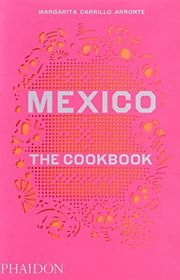
Mexico: The Cookbook
For cooks who want a large national recipe reference rather than one chef's household repertoire. The range supports exploration across regions and dish types, though the volume is easier to consult selectively than work through as a beginner's course.
What it's about
Margarita Carrillo Arronte gathers recipes from across Mexico, covering street food, soups, vegetables, meat, seafood, breads, sweets, and drinks. The collection presents regional variety in a single reference, with introductions to ingredients and cooking traditions.

For cooks drawn to produce, seafood, and a contemporary Mexico City perspective. The mix of home food and restaurant favorites offers a personal alternative to encyclopedic references, though some recipes require more preparation than a weeknight meal.
What it's about
Gabriela Cámara presents contemporary Mexican recipes emphasizing seasonal produce, beans, and seafood. Basics, breakfasts, starters, main courses, and sweets illustrate her approach to home cooking, including dishes associated with her Mexico City restaurant.

Pati's Mexican Table: Authentic Mexican Recipes for Everyday Cooking, from Family Favorites to Fresh Modern Classics
For beginners who want approachable family cooking with explanations of unfamiliar ingredients. The home-kitchen perspective offers a more comfortable starting point than complex restaurant projects, though it is a personal selection rather than an exhaustive regional survey.
What it's about
Pati Jinich shares Mexican home recipes shaped by her upbringing and family life. The collection ranges from soups and vegetable dishes to main courses and desserts, with cooking tips and explanations of ingredients and traditions.

The Mexican Home Kitchen
Traditional Home-Style Recipes That Capture the Flavors and Memories of Mexico
For home cooks who want familiar staples explained through family experience. Pantry guidance and everyday dishes make it a gentler entry point than restaurant-driven books, though ambitious cooks may want a more specialized regional or technical follow-up.
What it's about
Martinez gathers traditional home-style Mexican dishes, from soups and stews to enchiladas, tamales, salsas, drinks, and desserts. It is built for home cooks, with pantry guidance, tortilla basics, and recipes shaped by family memories from across Mexico.

Mexican Everyday
For home cooks fitting Mexican meals into a working week. Practical methods and shorter hands-on preparation make it easier to use regularly than a regional research volume, though convenience shapes which dishes and techniques receive attention.
What it's about
Rick Bayless adapts Mexican dishes to everyday schedules, emphasizing meals that require limited hands-on preparation. Recipes for tacos, salads, and other staples combine practical methods with the flavors and ingredients of traditional Mexican cooking.

For cooks who want restaurant-level flavor and are willing to learn the foundations behind it. Detailed work with masa, chiles, and components supports ambitious projects, though the preparation can be more involved than an everyday cookbook.
What it's about
Gonzalo Guzmán and Stacy Adimando share regional Mexican recipes from San Francisco's Nopalito restaurant. Techniques for working with masa, chiles, and other staples support dishes, drinks, and desserts, accompanied by explanations of Mexican food culture.

For cooks ready to spend time learning regional preparations and balancing flavors. Detailed ingredient and technique guidance rewards close attention, though it asks for more patience and sourcing effort than a beginner's weeknight collection.
What it's about
Diana Kennedy brings together regional Mexican recipes and detailed instruction on producing their characteristic flavors. Her guidance covers choosing ingredients, preparing chiles, and balancing seasonings, with dishes ranging from elaborate preparations to simpler home meals.

The Essential Cuisines of Mexico: A Cookbook
For cooks who want several of Kennedy's foundational books in one volume. The combined coverage makes a substantial reference for learning regional techniques, though readers who own the original books will encounter considerable overlap and demanding ingredient lists.
What it's about
Diana Kennedy combines The Cuisines of Mexico, Mexican Regional Cooking, and The Tortilla Book with revisions and additional recipes. Regional dishes, ingredient notes, and travel observations connect practical instruction with the communities and traditions behind the food.

For readers who want a chef's perspective directed toward home cooking rather than a tasting menu. Foundational recipes and photographs support learning, though sourcing particular ingredients can still take planning outside a well-stocked Mexican market.
What it's about
Enrique Olvera shares Mexican home recipes centered on basic dishes and familiar ingredients. Step-by-step photographs support foundational techniques, while traditional and contemporary preparations encourage cooks to bring Mexican flavors into their everyday meals.

For cooks interested in plant-based Mexican-American food alongside its cultural history. Heritage crops and Indigenous traditions give the recipes a clear point of view, though readers wanting a neutral technique manual may find the political framing prominent.
What it's about
Luz Calvo and Catriona Rueda Esquibel connect Mexican-American food history with vegetarian cooking based on heritage crops. Recipes emphasize corn, beans, squash, greens, herbs, and seeds while exploring Indigenous food traditions and cultural identity.

For confident cooks who want tacos built around unusual ingredients and contrasting textures. The Los Angeles street-food perspective encourages experimentation, though some components and sourcing demands make it less suitable for quick first attempts.
What it's about
Wesley Avila translates the cooking of his Los Angeles taco business into recipes for home kitchens. Traditional foundations meet ingredients such as sweet potato and sea urchin, with instruction on building and balancing flavors and textures.

For readers who want a detailed record of Oaxaca's food traditions as well as recipes. Travel accounts and community context distinguish it from a restaurant cookbook, though specialized ingredients can make some dishes difficult to reproduce elsewhere.
What it's about
Diana Kennedy documents Oaxaca's regional food traditions through recipes, photographs, and accounts of her travels. Notes explain ingredients, preparation, and community life, with particular attention to chocolate, corn, and chiles.

For cooks who enjoy Los Angeles restaurant food with a generous helping of personal stories. The mixture of taco fillings and other favorites keeps things varied, though this is a restaurant and memoir perspective rather than a regional reference.
What it's about
Danny Trejo combines recipes from his Los Angeles restaurants with stories of his life and hometown. Tacos, carnitas, vegan dishes, doughnuts, and other favorites accompany reflections on the people and experiences behind the business.

For cooks who want Mexican-American family food and contemporary combinations in the same book. Its personal California perspective offers a different starting point from regional reference works, though readers seeking only traditional Mexican recipes may prefer another guide.
What it's about
Esteban Castillo explores Mexican-American cooking through traditional dishes and recipes shaped by his California upbringing. Family stories accompany a collection that blends Mexican ingredients and techniques with flavors encountered across American communities.

For readers who want Tex-Mex dinners that fit a slow-cooker routine. The appliance focus makes it more specific to everyday scheduling than the broad cookbooks, though it covers a border tradition rather than Mexico's full regional range.
What it's about
Vianney Rodriguez adapts Tex-Mex dishes to the slow cooker, including chili, beans, carnitas, casseroles, and desserts. Traditional favorites and newer variations provide options for everyday dinners and food for gatherings.

For hosts planning snacks, sweets, and drinks rather than a complete course in Mexican cooking. The gathering-focused format makes menu building easier, though its emphasis on entertaining offers less depth on everyday staples and regional techniques.
What it's about
Marcela Valladolid shares food and drinks for gatherings inspired by her Mexican-American upbringing. Recipes range from small bites and vegetarian snacks to sweets and cocktails, including margaritas and adaptations of familiar party dishes.
Sources
- 1
These 11 Cookbooks Will Help You Explore Mexican Foods And Traditions
delish.com
- 2
The best Mexican cookbooks of all time
theweek.com
- 3
From Diana Kennedy to Tex-Mex: The Best Mexican Cookbooks
juliasmex.com
- 4
Looking for a truly authentic Mexican cookbook (gift idea)
reddit.com
- 5
Best Mexican Cookbooks (55 books)
goodreads.com
- 6
The Best Mexican Cookbooks Available in the UK
recetasmexas.com
- 7
100 Best Mexican Cooking Books of All Time
shortform.com
- 8
Recommendations for approachable Mexican cookbooks?
reddit.com





Edited by
Software engineer whose passion for tracking book recommendations from podcasts inspired the creation of MRB.
Lead investor at 3one4 Capital whose startup expertise and love for books helped shape MRB and its growth.
Comments
Spotted a missing book, a wrong order or a mistake? Tell us and we'll fix this page.
We're a reading guide, not the author or publisher, so we can't send books or pass on messages.