
15 Best Hospitality Books
The best hospitality books, ranked by how many expert sources recommend each one, with notes for choosing service, hotel management, and leadership reading.
Our take
Hospitality depends on what guests experience and on the work that makes that experience possible. These books approach the subject from both sides: personal service, employee culture, hotel operations, legal relationships, and the consequences of tourism. They suit students entering the industry, managers reviewing their teams' habits, and owners deciding how their businesses should treat people.
Setting the Table and Unreasonable Hospitality use restaurant experience to explore relationships and attentive service. Hotel-company memoirs such as Four Seasons and Without Reservations connect those concerns with business growth. For a more systematic view, Hotel Operations Management follows the coordination of departments, while Hotel Law addresses ownership and management arrangements. Overbooked steps outside the property to examine tourism's wider effects. Choose according to the question in front of you: start with Meyer for service culture, then add an operational reference if you are responsible for running a hotel.
15 books · 8 sources · Last updated
As an Amazon Associate, we earn from qualifying purchases (at no extra cost to you).
How to choose from this list
Skip to the full rankingIf you want to build a service culture: Setting the Table → Unreasonable Hospitality
If you want to improve hotel management: 100 Tips for Hoteliers → How to Run a Great Hotel → Hotel Operations Management
If you want to lead a service team: Excellence Wins → The New Gold Standard
If you want to learn from hotel-company founders: Four Seasons → Without Reservations
If you want the wider tourism picture: Overbooked
If you are developing a concierge business: The Concierge Manual
The 15 books, ranked
Ranked by how many expert sources name each book. Ties go to the book more people recommend.

For readers interested in how a luxury hotel company develops its standards. Sharp connects business decisions with a consistent service philosophy, though a founder's retrospective naturally gives a partial account of the organization's history.
What it's about
Isadore Sharp recalls building Four Seasons from his beginnings in his father's construction business. His memoir explores the hotel company's development and the philosophy of design, amenities, and customer service that guided his approach to hospitality.
Also recommended by
1 person Aaron Levie recommended this book
Aaron Levie
"Great book!" - Aaron Levie
Aaron Levie's recommendation of this book

For readers who want several hospitality leaders' perspectives rather than one founder's doctrine. The interviews connect management ideas with everyday guest relationships, though the collection offers less continuity than a structured operations textbook.
What it's about
Micah Solomon gathers insights from hotel and restaurant leaders about creating memorable service experiences. Their accounts connect hospitality management with the everyday work of understanding guests, building human relationships, and serving customers whose expectations vary across generations.

For owners and managers building a service culture around people. Meyer's restaurant experience makes relationships and staff priorities tangible, though the memoir-led approach gives less help with technical hotel operations or financial systems.
What it's about
Danny Meyer recounts building his restaurants and developing a philosophy of hospitality. He explains how strong relationships within an organization and attentive treatment of customers can guide leadership and improve the experience of doing business.
Also recommended by
7 people Noah Kagan recommended this book
Noah Kagan
"Create an experience that is like nothing else." - Noah Kagan
Noah Kagan's recommendation of this book  Chip Conley recommended this book
Chip Conley
"One of the best books on hospitality ever written." - Chip Conley
Chip Conley's recommendation of this book  Julie Rice recommended this book
Julie Rice
"We did a lot of reading [this book] at SoulCycle." - Julie Rice
Julie Rice's recommendation of this book  Fred Wilson recommended this book
Fred Wilson
"If you are an entrepreneur, you should read this book." - Fred Wilson
Fred Wilson's recommendation of this book  Patrick O'Shaughnessy recommended this book
Patrick O'Shaughnessy
"Every business could benefit from [this author's] framework for service and hospitality." - Patrick O'Shaughnessy
Patrick O'Shaughnessy's recommendation of this book  Bill Gurley recommended this book
Bill Gurley
"I'm a huge fan of [this author]." - Bill Gurley
Bill Gurley's recommendation of this book +1
More recommendations
- Trung Phan
"About the Restaurants industry." - Trung Phan
- Trung Phan

For managers who want service quality built into repeatable processes. Disney's attention to the whole guest experience provides a concrete organizational model, though examples from a large entertainment company need adapting to smaller operations.
What it's about
The Disney Institute and Theodore Kinni explain Disney's approach to customer service, emphasizing experiences that exceed expectations. This revised edition describes processes and practices behind that approach, alongside examples of organizations adapting the lessons to their own businesses.

For working hoteliers who prefer concise advice they can revisit by topic. Venison covers decisions from development to daily management in digestible pieces, though the tips format provides less explanation than a comprehensive textbook.
What it's about
Peter Venison draws on experience as a hotelier and frequent guest to offer one hundred practical suggestions. The book follows a hotel from conception through opening and operation, outlining responsibilities and decisions for students and working managers.

Without Reservations
How a Family Root Beer Stand Grew into a Global Hotel Company
For readers who learn management through the development of a family business. Marriott connects expansion with lessons about leadership and service, though the executive memoir offers a more selective view than an independent company history.
What it's about
Bill Marriott, writing with Kathi Ann Brown, recounts the development of Marriott from a family root beer stand into an international hotel company. Business stories connect pivotal decisions with reflections on leadership, service, and lessons learned over his career.

For managers who want a direct account of hiring, standards, and employee responsibility. Schulze ties service quality to daily leadership decisions, though the firm prescriptive tone and luxury-hotel background may not fit every workplace.
What it's about
Drawing on his work building the Ritz-Carlton, Horst Schulze explains his approach to service and organizational excellence. Personal experiences illustrate setting clear standards, developing employees, and creating a culture where leadership and customer care reinforce one another.
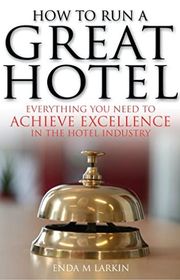
How to Run a Great Hotel: Everything you need to achieve excellence in the hotel industry
For hotel owners and managers who want to review how their business works. Larkin turns attention toward goals, people, and operating processes, though the management framework requires local detail and more recent context to implement.
What it's about
Enda Larkin presents a framework for reviewing and improving hotel management. The guide examines leadership, business direction, people, and service processes, helping owners and managers connect broad objectives with the decisions and routines needed to pursue them.

The New Gold Standard
For managers who want a service-leadership framework illustrated through one hotel company. The five-principle structure makes training and employee responsibility easy to discuss, though the Ritz-Carlton emphasis needs translation for different budgets and settings.
What it's about
Joseph Michelli examines leadership and customer service through the practices of the Ritz-Carlton Hotel Company. Employee stories and practical discussions illustrate five principles, connecting training, respect for staff, and attention to guests' needs with an organization's service culture.
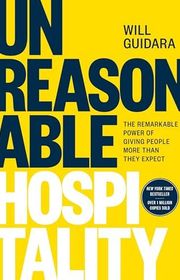
Unreasonable Hospitality: The Remarkable Power of Giving People More Than They Expect
For leaders who want teams to notice opportunities for personal gestures beyond routine service. Guidara makes generosity concrete through restaurant experience, though fine-dining examples need adapting to your staffing, budget, and customers' preferences.
What it's about
Will Guidara draws on leading Eleven Madison Park to explain an approach to hospitality built around attention, generosity, and personal connection. Restaurant stories explore how leaders and teams can create memorable experiences and extend those principles beyond dining.

For readers involved in hotel acquisitions, management agreements, or franchising. Its focus on legal relationships fills a gap left by service-culture books, though jurisdiction and contract specifics require current professional advice beyond the text.
What it's about
Nelson Migdal examines the legal relationships involved in acquiring, owning, managing, and franchising hotels. Written for practitioners and hospitality students, the guide explains transaction structures, negotiating positions, and potential pitfalls across independent hotels, branded properties, and complex resorts.

For readers who want to see hospitality within tourism's wider consequences. Becker's reporting brings communities and environmental pressures into view, though this examination of an industry supplies little guidance for running a property.
What it's about
Elizabeth Becker investigates travel and tourism as a global business, examining its economic, environmental, and cultural effects. Reporting from destinations around the world, she explores how tourism develops and what happens when its growth places pressure on local communities.

The Concierge Manual
The Leading Resource for Building Your Successful Concierge and/or Lifestyle Management Company
For prospective concierge-business owners who need a framework for getting started. The attention to service offerings, pricing, vendors, and logistics is more specific than broad hospitality advice, though older business details need checking against current conditions.
What it's about
Katharine Giovanni explains how to establish and operate a concierge or lifestyle management business. The guide covers business planning, daily logistics, service selection, niche markets, fees, sales, marketing, insurance, and relationships with vendors, providing a practical framework for prospective owners.

A Wealth of Insight
The World's Best Luxury Hoteliers on Leadership, Management, and the Future of 5-Star Hospitality
For managers curious about how luxury hoteliers approach leadership and guest expectations. The range of interviews offers comparisons across properties, though five-star priorities and resources may translate poorly to limited-service or budget businesses.
What it's about
Rahim Kanani profiles more than thirty-five luxury hoteliers, drawing out lessons in leadership and hotel management. Interviews and examples cover recruitment, organizational culture, technology, branding, personalization, and design, alongside the executives' perspectives on changes affecting five-star hospitality.

Hotel Operations Management
For students and managers who need to understand how hotel departments fit together. The general manager's perspective connects staffing, finance, maintenance, and guest services, though the textbook format is denser than the leadership memoirs here.
What it's about
David Hayes, Jack Ninemeier, and Allisha Miller examine hotel administration from a general manager's perspective. This third edition covers operating departments, staffing, guest services, finance, security, and maintenance, connecting daily responsibilities with the coordination required to run a full-service hotel.
Sources
- 1
14 Hospitality Books All Industry Professionals Should Know | Cvent Blog
cvent.com
- 2
The 25 best books about hotels and the hospitality industry
hoteloperations.com
- 3
The Essential Books for Hospitality Leaders | The Luxury of Attention
theluxuryofattention.com
- 4
10 Must Read Books For Anyone In The Hospitality Industry - Hospitality Net
hospitalitynet.org
- 5
10 Books Every Hospitality Professional Should Read – Blog – Advanced Hospitality Technologies
advhtech.com
- 6
Hospitality Books
goodreads.com
- 7
16 Hospitality Books Every Industry Professional Should Read in 2025
hoteltechreport.com
- 8
Hospitality Books : r/suggestmeabook
reddit.com




Edited by
Software engineer whose passion for tracking book recommendations from podcasts inspired the creation of MRB.
Lead investor at 3one4 Capital whose startup expertise and love for books helped shape MRB and its growth.
Comments
Spotted a missing book, a wrong order or a mistake? Tell us and we'll fix this page.
We're a reading guide, not the author or publisher, so we can't send books or pass on messages.