
12 Best Homeopathy Books
The best homeopathy books, ranked by how many expert sources recommend each one, with notes to help you choose introductions, historical theory, and references.
Our take
Homeopathy has a distinct body of theory built around matching remedies to symptoms and using preparations that are often highly diluted. These books explain that tradition through household guides, personal accounts, theoretical texts, and specialist references. They can be read to understand its ideas and history, but reliable evidence does not establish homeopathy as an effective treatment for health conditions.
Everybody’s Guide to Homeopathic Medicines and Homeopathic Medicine At Home introduce the system in a general-reference format. The Complete Homeopathy Handbook gives a more structured account of remedy selection. Organon of Medicine and Lectures on Homeopathic Philosophy explain foundational ideas, while Repertory of the Homoeopathic Materia Medica organizes traditional symptom associations. Impossible Cure presents a supporter’s personal account and argument. Books focused on children or pregnancy describe specialized claims within the same framework.
Start with an introduction for orientation, then read historical or reference works according to your interest. Medical decisions, especially concerning pregnancy or children, require qualified healthcare rather than these books alone.
12 books · 7 sources · Last updated
As an Amazon Associate, we earn from qualifying purchases (at no extra cost to you).
How to choose from this list
Skip to the full rankingIf you want an introductory account: Everybody's Guide to Homeopathic Medicines → Homeopathic Medicine At Home
If you want to study remedy-selection methods: The Complete Homeopathy Handbook
If you're studying foundational theory: Organon of Medicine → Lectures on Homeopathic Philosophy
If you need to understand traditional indexing: Repertory of the Homoeopathic Materia Medica
If you're examining personal advocacy: Impossible Cure
The 12 books, ranked
Ranked by how many expert sources name each book. Ties go to the book more people recommend.

Everybody's Guide to Homeopathic Medicines
For readers who want a broad introduction to how homeopaths classify everyday complaints. Its comparative organization makes the system easier to study, though remedy listings and case examples do not establish that the proposed treatments work.
What it's about
Stephen Cummings and Dana Ullman introduce homeopathic theory and their method of matching remedies to symptoms. The family reference discusses common ailments and injuries, compares proposed remedies, and includes guidance on situations that call for medical care.

Homeopathic Medicine At Home
Natural Remedies for Everyday Ailments and Minor Injuries
For beginners studying homeopathic ideas in a household-reference format. Its introductory explanations require less prior knowledge than a repertory, though the practical framing can blur the difference between describing a tradition and validating its health claims.
What it's about
Maesimund Panos introduces homeopathy through its history, principles, and approach to remedy selection. The beginner’s reference covers proposed remedies for everyday ailments and injuries, with additional sections devoted to children, women, and pets.

Homeopathic Medicine for Children and Infants
For readers researching how homeopathy has been presented to parents. Its child-focused scope distinguishes it from general manuals, though its remedy advice is not a reliable basis for diagnosing or treating an infant or child.
What it's about
Dana Ullman presents his approach to homeopathy for children and infants. The guide explains remedy selection and discusses proposed applications for physical, emotional, and behavioral concerns, alongside material on assembling a homeopathic reference and medicine kit.

Homeopathy for Pregnancy, Birth, and Your Baby's First Year
For readers examining homeopathic approaches to pregnancy and early family life. Its stage-by-stage organization provides a focused account of the tradition, though pregnancy and infant health decisions need qualified care rather than reliance on remedy descriptions.
What it's about
Miranda Castro applies homeopathic ideas to pregnancy, childbirth, postpartum experiences, and infancy. The guide explains her method of selecting remedies and organizes recommendations around the physical and emotional concerns of mothers and babies during these stages.
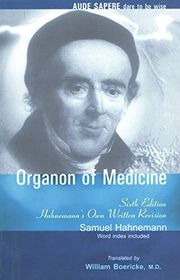
Organon of Medicine
For readers who want to study homeopathy’s foundational principles in their historical form. Its aphoristic structure explains the system from within, though changing editions and older medical assumptions call for context and critical reading.
What it's about
Samuel Hahnemann sets out the principles of homeopathy in a sequence of explanatory aphorisms. Topics include observing symptoms, selecting remedies, preparation, and the practitioner’s role, providing a foundational statement of the system rather than modern clinical evidence.

The Complete Homeopathy Handbook
For readers who want to understand the steps in Castro’s approach to remedy selection. Its case examples link theory with the author’s method, though the confident treatment language should not be confused with evidence of effectiveness.
What it's about
Miranda Castro explains homeopathic principles and the process of matching remedies to symptoms. Alphabetical remedy listings, case studies, and discussions of common complaints make up a household reference to her approach to homeopathy.

For readers comparing broad family guides to homeopathic theory. Its symptom-based layout makes the author’s categories accessible, though a household reference cannot establish why symptoms occur or show that its suggested remedies are effective.
What it's about
Andrew Lockie presents homeopathic theory and a symptom-based reference to proposed remedies. Sections address different parts of the body and stages of family life, with discussions of remedy selection and circumstances in which readers should consult a doctor.

For readers interested in the experiences and arguments that persuade homeopathy’s supporters. Its personal narrative makes the appeal understandable, though testimonials and selected cases cannot demonstrate a treatment’s effectiveness or establish cause and effect.
What it's about
Amy Lansky introduces homeopathy through its history, philosophy, and claimed scientific basis. Her personal account and testimonials from others support her argument for the practice, while reference material introduces readers to its principles and resources.

For readers studying constitutional typologies within homeopathic thought. Its detailed pediatric profiles offer more depth than introductory guides, though these categories are not validated clinical tools for assessing or treating children.
What it's about
Paul Herscu describes pediatric constitutional types within homeopathic practice. Drawing on repertories, materia medica, and his own case experience, he provides detailed profiles and chapter outlines intended as references for students and practitioners of homeopathy.

For readers studying the particular tradition of Schuessler’s twelve cell salts. Its narrow scope makes the classifications easier to compare, though the proposed mineral explanations are not established accounts of nutritional deficiency or disease treatment.
What it's about
Nigey Lennon and Lionel Rolfe explain the history and theory of Wilhelm Schuessler’s twelve cell salts. Their guide outlines each compound’s proposed uses, organizes homeopathic recommendations by symptom, and includes a glossary and reference material.
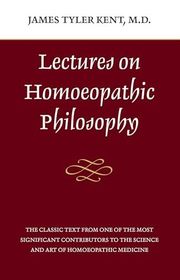
Lectures on Homeopathic Philosophy
For readers who already know basic homeopathic terminology and want a later interpretation of its principles. The lecture format expands the theoretical discussion, though its historical doctrines should not be mistaken for established physiology or clinical evidence.
What it's about
James Tyler Kent explains his interpretation of homeopathic principles through lectures on illness, observation, symptoms, and remedy selection. The work develops ideas associated with Hahnemann and provides a record of an influential strand of homeopathic teaching.

Repertory of the Homoeopathic Materia Medica
For students of homeopathic history and classification who need a symptom index. Its reference structure reveals how traditional remedy associations are organized, though it presumes specialist vocabulary and does not validate those associations medically.
What it's about
James Tyler Kent’s repertory organizes homeopathic symptoms and the remedies associated with them. Arranged as a reference for comparing entries across physical and mental complaints, it provides an index to the traditional homeopathic materia medica.
Sources
- 1
Books
homeopathycenter.org
- 2
Beginner and Introduction to Homeopathy Reference Books
homeopathicpharmacy.org
- 3
How to Learn Homeopathy
hpathy.com
- 4
100 Best Homeopathy Books of All Time (Updated for 2026)
shortform.com
- 5
Homeopathy Books
goodreads.com
- 6
Wonderful Homeopathic Books Every Home Needs
homeopathyworks.com
- 7
Best books about Homeopathy?
reddit.com










Edited by
Software engineer whose passion for tracking book recommendations from podcasts inspired the creation of MRB.
Lead investor at 3one4 Capital whose startup expertise and love for books helped shape MRB and its growth.
Comments
Spotted a missing book, a wrong order or a mistake? Tell us and we'll fix this page.
We're a reading guide, not the author or publisher, so we can't send books or pass on messages.