
13 Best Grandparenting Books
The best grandparenting books, ranked by expert source recommendations, with notes to help you choose family advice, personal reflections, activities, and support.
Our take
Grandparenting can mean occasional visits, regular childcare, living far apart, or taking primary responsibility for a child. Books about the role are most useful when they match that reality. A warm memoir may offer reassurance, while practical guides can help readers think through family boundaries, shared activities, or the demands of raising grandchildren.
Becoming Grandma combines personal experience with reporting, and Nanaville reflects on loving a grandchild while respecting the parents’ role. Good to Be Grand concentrates on the first year; Unconditional Love considers relationships across three generations. For time together, The Grandparents Handbook offers activities, while The Grandest Love emphasizes building lasting connections. Being a Grandparent brings a Christian perspective, and Chicken Soup for the Grandma’s Soul offers celebratory personal stories. Grandparents raising children have a more specific resource in The Grandfamily Guidebook. Start with the role you actually have, then choose reflection, relationship advice, or practical support according to what would help most.
13 books · 8 sources · Last updated
As an Amazon Associate, we earn from qualifying purchases (at no extra cost to you).
How to choose from this list
Skip to the full rankingIf you want a personal introduction: Becoming Grandma → Nanaville
If you are preparing for a baby’s first year: Good to Be Grand
If you want to think through family relationships: Unconditional Love
If you want activities and connection ideas: The Grandparents Handbook → The Grandest Love
If you prefer a Christian perspective: Being a Grandparent
If you are raising your grandchildren: The Grandfamily Guidebook
The 13 books, ranked
Ranked by how many expert sources name each book. Ties go to the book more people recommend.
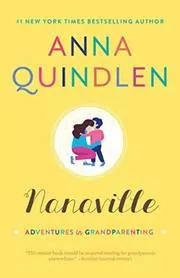
For readers who want a witty, personal account of learning when to step forward and when to step back. The reflections make changing family boundaries approachable, though it is a memoir rather than a comprehensive advice manual.
What it's about
Nanaville is Quindlen’s affectionate account of becoming a grandmother to little Arthur. Through funny, frank vignettes she charts the tug-of-war between old parenting habits and new boundaries, and the surprising joy of loving a child you are not in charge of.
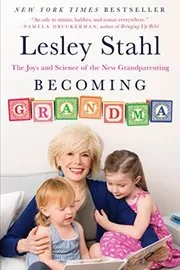
For readers who want personal experience connected with interviews about the changing grandparent role. The mix of reporting and family stories offers a broad introduction, though it is more reflective than a concise guide to everyday decisions.
What it's about
Lesley Stahl combines her experience as a grandmother with interviews about the changing role of grandparents. Family stories, conversations with other grandparents, and insights from researchers explore the emotional bonds, shifting relationships, and personal changes that grandparenthood brings.
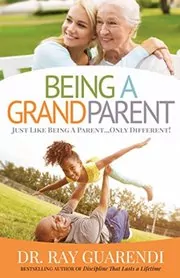
For grandparents who prefer questions and answers with humor and a Christian perspective. The focus on family dynamics offers a direct advice format, though readers with different religious or parenting assumptions may not share its approach.
What it's about
Ray Guarendi answers grandparents' questions about their role in family life, drawing on clinical psychology and parenting experience. With humor and a Christian perspective, he explores how accumulated wisdom can help navigate the emotional dynamics of another generation of children.
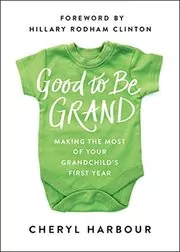
For new grandparents who want a guide organized around a grandchild’s first year. The attention to supporting parents makes it practical, though infant-care details should be checked against current guidance and the family’s own decisions.
What it's about
Cheryl Harbour guides grandparents through the period from anticipating a baby's arrival to the end of the first year. Research, expert interviews, and personal anecdotes examine infant care, changing parenting practices, family support, and opportunities to build a meaningful bond.

The Grandfamily Guidebook
For grandparents raising grandchildren who need a broader resource than books about visits and family bonding. It addresses caregiving pressures and practical systems, though the North American focus means legal, financial, and service information needs local checking.
What it's about
Andrew Adesman and Christine Adamec address the responsibilities of grandparents raising grandchildren. Drawing on research and family experiences, they discuss children’s adjustment, relationships with parents, school concerns, practical resources, and the caregivers’ own needs.
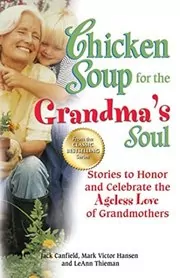
Chicken Soup for the Grandma's Soul
Stories to Honor and Celebrate the Ageless Love of Grandmothers
For readers who want recognition and warmth from other grandmothers’ experiences. The short personal stories suit browsing and gift-giving, though their celebratory emphasis offers less help with persistent conflict or complicated caregiving responsibilities.
What it's about
Grandmothers and their families share stories about the experiences and affection that accompany this changing role. The collection brings humor and reflection to becoming a grandmother and sustaining family connections, offering recognition for both longtime grandmothers and those anticipating their first grandchild.
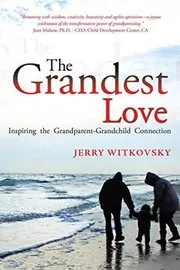
For grandparents who want ideas for sustaining a meaningful relationship across generations or distance. The emphasis on intentional connection gives the advice a clear focus, though adapting it depends on the parents’ cooperation and each family’s circumstances.
What it's about
Jerry Witkovsky explores ways to build meaningful connections between grandparents and grandchildren. Drawing on social work and his own family experience, he offers ideas for maintaining relationships across distance and generations, helping families create shared experiences despite practical obstacles.
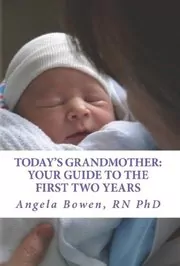
For grandmothers who want an overview of the baby years and the support they can offer. The practical orientation helps frame the new role, though care recommendations can change and should be checked against current professional guidance.
What it's about
Angela Bowen introduces grandmothers to their role during a grandchild's first two years. Explanations of pregnancy, birth, and baby care address changes since their own parenting days, with guidance for becoming involved and supporting families through the arrival of a baby.
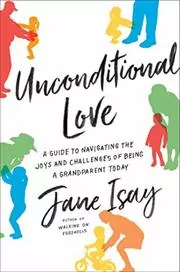
Unconditional Love
A Guide to Navigating the Joys and Challenges of Being a Grandparent Today
For readers concerned with boundaries, distance, and relationships among three generations. The interviews offer varied perspectives on common tensions, though the broad advice may need supplementing when a family faces serious estrangement or caregiving problems.
What it's about
Jane Isay draws on interviews and personal experience to explore relationships among grandparents, parents, and grandchildren. Practical advice addresses boundaries, family tensions, and distance, encouraging honest conversation and understanding as ways to deepen connections and repair strained family bonds.
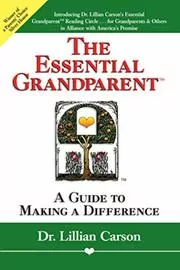
For grandparents who want to think deliberately about the role they hope to play. The focus on goals and individual strengths encourages a personal approach, though the general framework offers less detail for specific family crises.
What it's about
Lillian Carson helps readers develop a personal approach to grandparenting. The guide challenges common myths, explores the possibilities of this family role, and encourages grandparents to set goals and use their experience, intuition, and energy to make a lasting difference.
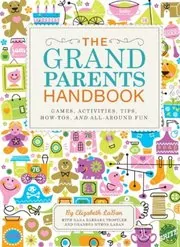
For grandparents looking for concrete ideas for time together rather than extended reflection. The mix of games, projects, and outings makes it useful for planning, though activities need adapting to a child’s age, interests, and abilities.
What it's about
Elizabeth LaBan offers activities for grandparents and grandchildren to enjoy together, from scavenger hunts and indoor camping to baking and museum trips. Games, projects, and practical tips provide options for spending time together and creating shared family traditions.
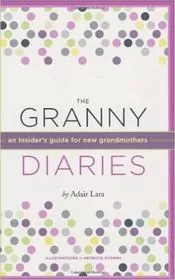
For new grandmothers who enjoy candid humor about adjusting to their role. The light touch makes awkward family situations easier to recognize, though readers wanting detailed guidance on caregiving or entrenched conflict will need another resource.
What it's about
Adair Lara takes a humorous look at becoming a grandmother, including choosing a name, offering advice, and getting along with new parents. Her guide mixes candid observations with affection, exploring the adjustments and pleasures that come with this family role.
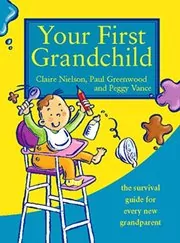
For first-time grandparents who want a light introduction to emotional adjustments and supporting new parents. The humorous case-based approach makes the transition approachable, though the breadth and older care advice require selective reading rather than treating it as a current manual.
What it's about
Peggy Vance and her coauthors combine practical guidance with humor for first-time grandparents. Case studies and illustrations address baby care, emotional adjustments, and family relationships, including how to offer support without making the child's parents feel crowded or criticized.
Sources
- 1
Best Grandparenting Books for Grandparents: Advice You Can Use
passingdownthelove.com
- 2
100 Best Grandparenting Books of All Time
shortform.com
- 3
Books That Will Guide You Through Grandparenting
katiecouric.com
- 4
Grandparenting Books
goodreads.com
- 5
13 Best Books for New Grandparents
gagasisterhood.com
- 6
New to Grandparenting? Here’s What You Need to Know
thehartford.com
- 7
Grandparent Raising Grandchildren Book List
jmu.edu
- 8
Book Recommendations
fairness4crr.com
Edited by
Software engineer whose passion for tracking book recommendations from podcasts inspired the creation of MRB.
Lead investor at 3one4 Capital whose startup expertise and love for books helped shape MRB and its growth.
Comments
Spotted a missing book, a wrong order or a mistake? Tell us and we'll fix this page.
We're a reading guide, not the author or publisher, so we can't send books or pass on messages.