
26 Best Golf Books
The best golf books, ranked by how many expert sources recommend each one, with notes to help you choose instruction, mental-game advice, history, or memoir.
Our take
Golf books can help you understand a swing, make better decisions, or enjoy the game when you are far from a course. The instructional classics offer different kinds of help: some break down positions and movements, while others focus on feel, practice, confidence, and managing the next shot. The histories and memoirs reveal another side of golf, from famous contests to the working lives of players and caddies.
For clear, short lessons, begin with Harvey Penick's Little Red Book: Lessons And Teachings From A Lifetime In Golf. Ben Hogan’s Five Lessons: The Modern Fundamentals of Golf gives a more systematic look at swing mechanics. Every Shot Counts: Using the Revolutionary Strokes Gained Approach to Improve Your Golf Performance and Strategy offers a statistical lens, while Golf is Not a Game of Perfect addresses the mental side. If you want a story, The Match: The Day the Game of Golf Changed Forever and A Course Called Ireland take you into different corners of the sport. Start with the part of golf you most want to understand or enjoy.
26 books · 9 sources · Last updated
As an Amazon Associate, we earn from qualifying purchases (at no extra cost to you).
How to choose from this list
Skip to the full rankingIf you're learning the fundamentals: Harvey Penick's Little Red Book → Ben Hogan’s Five Lessons
If you want a steadier mental game: Golf is Not a Game of Perfect → Every Shot Must Have a Purpose
If you're choosing what to practice: Every Shot Counts → The Four Foundations of Golf
If putting is your main concern: Unconscious Putting → Putting Out of Your Mind
If you want history and travel: The Greatest Game Ever Played → The Match → A Course Called Ireland
The 26 books, ranked
Ranked by how many expert sources name each book. Ties go to the book more people recommend.

Golf is Not a Game of Perfect
For golfers whose confidence and reactions cost them strokes even when their swing feels sound. Its stories make mental habits approachable, though it provides fewer technical fixes than a swing or short-game manual.
What it's about
Bob Rotella explores the mental side of golf through lessons and stories from his work with players. He discusses confidence, concentration, preparation, and responding to difficult shots, encouraging a mindset that makes competition more manageable.

For golfers who prefer simple cues and short teaching stories to detailed swing analysis. Its gentle approach makes it easy to revisit between rounds, though readers seeking a structured technical program may want more detail.
What it's about
Harvey Penick collects practical golf lessons developed over decades of teaching and recorded in his personal notebook. Short observations and anecdotes simplify instruction for players at different levels, focusing on the essentials of playing and practicing.

The Greatest Game Ever Played
Harry Vardon, Francis Ouimet, and the Birth of Modern Golf
For readers who enjoy a historical sporting contest with social stakes beyond the scorecard. Its narrative focus makes golf’s early development accessible, though readers seeking a broad history will need a wider account.
What it's about
Francis Ouimet, a young amateur from Brookline, shocks the golf world by challenging Harry Vardon and Ted Ray at the 1913 U.S. Open. Frost tells it as both a sports upset and a sharp class-crossing American moment.

For readers who want one concentrated story about golf’s amateur and professional worlds meeting. Its four-player contest makes a compelling entry into sporting history, though the reconstructed narrative is narrower than a general history.
What it's about
This nonfiction story follows the legendary 1956 private match at Cypress Point, where amateurs Harvie Ward and Ken Venturi faced Ben Hogan and Byron Nelson. Frost turns a golf bet into a vivid portrait of pride, pressure, and one unforgettable day.

For golfers who want an illustrated, systematic account of the full swing from one influential player. Its compact lessons reward repeated practice, though Hogan’s specific positions should not be treated as universal prescriptions for every body.
What it's about
Ben Hogan explains the fundamentals behind his golf technique through a sequence of illustrated lessons. Drawings and diagrams accompany his instruction, helping readers examine the mechanics of their game and develop them through patient, deliberate practice.

For readers curious about Tiger Woods through the eyes of a coach working closely with him. Its range-side perspective adds technical and personal detail, though this is one participant’s account of a complicated relationship.
What it's about
Hank Haney recounts six years coaching Tiger Woods, describing their work on the practice range and at tournaments. His account examines Woods's technique, competitive intensity, and private habits through the perspective of their complicated professional relationship.

For golfers who lose focus through worry, frustration, or attachment to a score. Its mindfulness approach offers a different route from mechanical instruction, though the Buddhist framing may not appeal to every reader.
What it's about
Joseph Parent applies Buddhist teachings and psychological insight to the mental side of golf. Through short lessons and stories, he explores preparation, concentration, confidence, and responses to setbacks, helping golfers consider how their minds affect their play.
Also recommended by
1 person Patrick Bet-David recommended this book
Patrick Bet-David
Patrick Bet-David recommended this book on his website.
Patrick Bet-David's recommendation of this book

For readers interested in the partnership between player and caddie, and the person behind tournament success. Its intimate biography adds emotional depth, though the account of serious illness makes it a heavier read.
What it's about
This biography tells the story of Bruce Edwards, Tom Watson’s longtime caddie, from their early days on tour through Edwards’s battle with ALS. Feinstein traces their friendship, the grind of pro golf, and the grace Edwards showed as his health failed.

How I Play Golf
For golfers who learn from photographs and want a broad introduction from putting through tee shots. Its visual presentation makes positions easier to examine, though copying an elite player cannot replace feedback on your own swing.
What it's about
Tiger Woods explains his golf fundamentals from putting to tee shots, using photographs to break down movement and technique. He also discusses club selection, concentration, and the mental routines that shape his approach to the course.
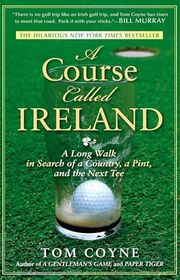
A Course Called Ireland
For readers who want a walking journey through golf courses, villages, and local encounters. Its travel narrative offers a wider sense of place than tournament books, though it is not a systematic instruction manual.
What it's about
Tom Coyne travels around Ireland on foot, playing golf and exploring the places and people surrounding its courses. His journey combines sporting ambition, travel encounters, and reflections on the country, its communities, and the game.

For readers who want to understand the pressure of earning a living on tour. Its attention to working professionals broadens the view beyond major winners, though the tournament landscape has changed since it was written.
What it's about
Following a year on the PGA Tour, Feinstein focuses less on superstars and more on pros fighting to keep their cards. He captures locker room banter, pressure-packed Sundays, and the emotional swings of golfers whose livelihoods depend on a few swings each week.

For players who want to organize wedge and greenside practice around measured distances and repeatable technique. Its analytical depth distinguishes it from feel-based guides, though the detailed system requires time on the practice ground.
What it's about
Dave Pelz applies research on golfers' scoring patterns to short-game instruction. Chapters on wedge distances, pitching, chipping, and sand shots help readers identify weaknesses and focus their practice, supported by charts, photographs, and explanations of technique.

Every Shot Counts
Using the Revolutionary Strokes Gained Approach to Improve Your Golf Performance and Strategy
For golfers who want evidence to guide practice priorities and course decisions. Its strokes-gained framework challenges familiar scoring assumptions, though readers who dislike statistics may find some sections demanding.
What it's about
Mark Broadie explains the strokes gained approach to measuring golf performance, using data from professional and amateur players. His analysis challenges conventional statistics and shows how evidence can inform practice priorities and decisions on the course.
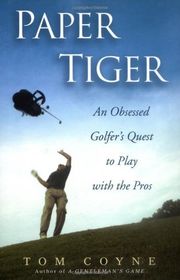
Paper Tiger
For amateurs curious about the gap between good club golf and competing professionally. Its firsthand experiment makes the demands of improvement concrete, though it is a personal journey rather than a training program to copy.
What it's about
Tom Coyne commits himself to discovering whether intensive training can turn an amateur golfer into a professional. Coaching, fitness work, practice, and competition test his ambitions while revealing the practical and personal costs of pursuing the tour.

For readers drawn to golf travel and a writer’s search for a deeper connection with the game. Its European journey offers atmosphere and reflection, though it is a personal memoir rather than a practical course guide.
What it's about
Michael Bamberger leaves his sportswriting job to explore European golf with his wife. Caddying for professional Peter Teravainen and playing historic Scottish courses, he searches for a deeper understanding of the game and his own approach to it.

Every Shot Must Have a Purpose
For golfers who want to make practice and pre-shot routines more deliberate. Its process-centered approach links mental preparation with performance, though the gains depend on applying the routines consistently rather than collecting tips.
What it's about
Pia Nilsson and Lynn Marriott explain their approach to purposeful practice and play. They connect physical skills with mental and emotional preparation, using routines and exercises to help golfers make clearer decisions and commit to individual shots.

Golf in the Kingdom
For readers who see golf as a setting for reflection, mystery, and spiritual questions. Its imaginative approach offers a change from instruction and tournament reporting, though it asks you to enjoy ambiguity rather than practical answers.
What it's about
A traveler named Michael Murphy meets the mysterious golf teacher Shivas Irons and joins him for an extraordinary round. Their encounter opens into a night of conversation and adventure linking the game with philosophy and spiritual experience.

For players who want a major champion’s explanation of technique and course thinking across the game. Its personal approach connects mechanics with decisions, though Nicklaus’s methods need adapting to your own strengths.
What it's about
Jack Nicklaus explains how he approaches and plays golf, combining technical instruction with the mental aspects of the game. This revised edition also reflects on changes in his methods and the evolution of tournament golf.
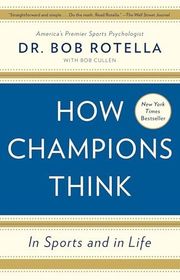
How Champions Think
For readers who want mental-performance ideas that extend beyond one part of golf. Its stories connect confidence and commitment with sustained effort, though its wider sports-and-life scope makes it less specific than a golf-only guide.
What it's about
Bob Rotella examines the habits and attitudes associated with sustained performance in sport and other pursuits. Stories from his work explore confidence, preparation, commitment, and resilience, emphasizing how people respond to challenges and pursue demanding goals.
Putting Out of Your Mind
For golfers who putt well in practice but become tense over a score. Its emphasis on confidence and attention complements technical instruction, though it will not diagnose a physical fault in your stroke.
What it's about
Bob Rotella focuses on the mental habits that shape putting, including confidence, trust, preparation, and responses to missed chances. Stories and practical guidance encourage golfers to approach the green with less fear and more consistent attention.
The Four Foundations of Golf
For recreational golfers who want a plan that joins expectations, strategy, practice, and mindset. Its broad improvement framework reaches beyond swing mechanics, though players seeking detailed technical instruction will need another resource alongside it.
What it's about
Jon Sherman organizes golf improvement around managing expectations, making sound course decisions, practicing effectively, and strengthening the mental game. The book explains how these areas work together to help golfers build a more consistent and sustainable approach.

For golfers who overthink their putting stroke and want a simpler routine built around confidence and feel. Its focused approach contrasts with technical systems, though it offers less help for readers seeking detailed mechanical analysis.
What it's about
Dave Stockton explains a putting approach that favors visualization, confidence, and a natural personal stroke. He combines mental preparation with simple physical routines, offering guidance on reading greens and avoiding excessive attention to mechanical positions.

My Life in and out of the Rough
The Truth Behind All That Bull**** You Think You Know About Me
For readers interested in a turbulent golf career told in the player’s own voice. Its candor about life away from tournaments distinguishes it from instruction books, though it remains a personal account rather than an independent assessment.
What it's about
John Daly recounts his life in professional golf, including his unexpected major victories and turbulent experiences away from competition. His memoir addresses relationships, alcohol, gambling, and the personal struggles that accompanied his public reputation.

For readers who enjoy an amateur’s humorous encounters with professional sport. Plimpton’s outsider perspective captures the gap between ambition and ability, though the tour he describes belongs to an earlier era.
What it's about
George Plimpton spends a month on the professional golf circuit as a weekend player among experts. Encounters with golfers, caddies, and fans combine with his own frustrating rounds to explore the sport’s personalities, rituals, superstitions, and demands.

The Complete Golfer
For readers who enjoy browsing golf writing rather than following a single story or lesson plan. Its anthology format offers varied voices and subjects, though the historical selection gives less attention to the contemporary game.
What it's about
Herbert Warren Wind gathers golf writing into an anthology of stories, essays, humor, reminiscences, and instruction. Contributions from players and literary writers explore the game's history, personalities, pleasures, and the varied skills involved in playing it.

The Dogged Victims of Inexorable Fate
A Love-Hate Celebration of Golfers and Their Game
For readers who like sharp sportswriting about golf’s characters, absurdities, and disappointments. Jenkins’s collected pieces work well in short sittings, though their humor and references are rooted in the period he covered.
What it's about
A classic collection of golf pieces drawn from Jenkins's magazine work, mixing profiles, anecdotes, and sharp-eyed history. It celebrates the game's legends and oddballs while showing how funny, cruel, and human golf can be.
Sources
- 1
Best Golf Books 2026 | Golf Monthly
golfmonthly.com
- 2
Great golf books (133 books)
goodreads.com
- 3
Golf Books: 10 Classics That Every Golfer Should Read · Practical-Golf.com
practical-golf.com
- 4
Reading List: Our 15 Favorite Golf Books - The Left Rough
theleftrough.com
- 5
Best Golf Books | MyGolfSpy
mygolfspy.com
- 6
11 Best Golf Books of All Time: Must-reads for every golfer
thediygolfer.com
- 7
What are the best golf books? You won't better this fabulous list! - National Club Golfer
nationalclubgolfer.com
- 8
What are your favorite golf books?
reddit.com
- 9
What are your favourite Golf books?
reddit.com









Edited by
Software engineer whose passion for tracking book recommendations from podcasts inspired the creation of MRB.
Lead investor at 3one4 Capital whose startup expertise and love for books helped shape MRB and its growth.
Comments
Spotted a missing book, a wrong order or a mistake? Tell us and we'll fix this page.
We're a reading guide, not the author or publisher, so we can't send books or pass on messages.