
20 Best Firefighting Books
The best firefighting books, ranked by how many expert sources recommend each one, with notes to help recruits, officers, and memoir readers choose where to start.
Our take
Firefighting books serve several different purposes. Recruits need a broad foundation in skills and department operations. Experienced firefighters may want a closer study of tactics, construction, or leadership. Readers outside the profession often want to understand station life, dangerous calls, and the relationships that hold crews together. Choosing between those purposes matters more than finding one book that tries to do everything.
Essentials of Fire Fighting and Fire Department Operations supports formal training, while Fire Officer's Handbook of Tactics offers more detailed operational study. Brannigan's Building Construction for the Fire Service and Collapse of Burning Buildings concentrate on structural hazards. For leadership, consider First In, Last Out or Step Up and Lead. The memoirs and reported accounts provide a different kind of understanding: Report from Engine Co. 82 focuses on work and community, while 3000 Degrees and Young Men and Fire investigate fatal incidents. Start with the book that matches your purpose, and use technical reading alongside your training program.
20 books · 8 sources · Last updated
As an Amazon Associate, we earn from qualifying purchases (at no extra cost to you).
How to choose from this list
Skip to the full rankingIf you're beginning formal training: Essentials of Fire Fighting and Fire Department Operations → Fire Officer's Handbook of Tactics
If you want to study building hazards: Brannigan's Building Construction for the Fire Service → Collapse of Burning Buildings → The Art of Reading Buildings
If you're developing as a leader: First In, Last Out → Step Up and Lead → Pass It On
If you're preparing for an interview: Smoke your Firefighter Interview
If you want accounts of life on the job: Report from Engine Co. 82 → B-Shifter
If you want to understand major disasters: 3000 Degrees → Young Men and Fire
The 20 books, ranked
Ranked by how many expert sources name each book. Ties go to the book more people recommend.

For firefighters studying structural failure and the hazards around burning buildings. Dunn gives collapse a concentrated treatment beyond a general tactics handbook, though this specialized focus assumes readers can connect the material with broader training and procedures.
What it's about
Vincent Dunn examines how burning structures fail, connecting construction features with collapse hazards encountered by firefighters. His guide discusses walls, roofs, floors, and other structural components to explain warning signs and the dangers surrounding fireground operations.

Brannigan's Building Construction for the Fire Service
For students and firefighters who want a foundation in how buildings behave during fires. The construction-centered explanations support deeper understanding than a collection of incident stories, though the terminology and structural detail require careful study.
What it's about
Glenn P. Corbett and Francis L. Brannigan explain building construction from a firefighter's perspective, connecting structural materials and building types with fire behavior. The textbook examines hazards, collapse potential, and the implications of construction features for fireground operations.

Fire Officer's Handbook of Tactics
For firefighters and officers ready to connect basic skills with tactical decisions. The range of structures and incident types makes it a substantial reference, though its size and technical detail suit study better than a quick first introduction.
What it's about
John Norman combines general firefighting tactics with guidance for particular structures and emergencies. This fifth edition addresses changing fire conditions, reduced staffing, and basement fires, using photographs and operational experience to explain decisions about rescue, confinement, and extinguishment.

Report from Engine Co. 82
For readers who want a firefighter’s view of work and community in the South Bronx. The close attention to colleagues and residents gives the memoir social depth, though it portrays a particular place and period rather than current practice.
What it's about
Dennis Smith recounts his work as a firefighter in the South Bronx, describing dangerous calls and the men who shared them. Encounters with neighborhood residents reveal the harsh conditions, loyalty, and human demands of his profession.

For readers who want a reported account of a disaster and the people involved. The reconstruction gives decisions and losses a human context, though the sustained attention to a fatal incident makes this a difficult emotional read.
What it's about
Sean Flynn reconstructs the 1999 Worcester warehouse fire that killed six firefighters, following the men who entered the burning building and those left outside. Their lives and relationships frame an account of the disaster and its human cost.

For current and aspiring officers who want leadership lessons grounded in firehouse experience. The focus on communication and developing people makes it relevant beyond emergency scenes, though readers seeking operational detail will need a tactics text alongside it.
What it's about
John Salka draws on his FDNY experience to explain leadership under pressure, with Barret Neville contributing to the book. Lessons about communication, developing people, managing risk, and carrying out decisions connect firehouse responsibilities with challenges in other organizations.

Young Men and Fire
For readers who want an investigation that also reflects on loss and uncertainty. Maclean combines reconstruction with a personal search for understanding, though the literary digressions make it less direct than a conventional incident report.
What it's about
Norman Maclean investigates the 1949 Mann Gulch wildfire that killed thirteen firefighters in Montana. Combining interviews, reconstruction, and reflections on disaster, he seeks to understand what happened to the smokejumpers and why the fire overwhelmed them.

For readers who want the humor and everyday culture of station life alongside emergency calls. The candid personal voice distinguishes it from technical texts, though that informality and one department’s perspective may not suit every reader.
What it's about
Nick Brunacini recounts life in the Phoenix Fire Department through fires, medical calls, and the everyday culture of a fire station. His memoir combines workplace humor with family experience, including growing up as Fire Chief Alan Brunacini's son.

For firefighters who value lessons passed between generations and departments. The many contributors offer varied perspectives on responsibility and leadership, though the collection’s changing voices make it less systematic than a single-author training manual.
What it's about
Billy Goldfeder gathers lessons from more than one hundred fire service contributors, including personal experiences, operational insights, and reflections on leadership. Their accounts address the profession's responsibilities and dangers while preserving knowledge they want other firefighters to inherit.
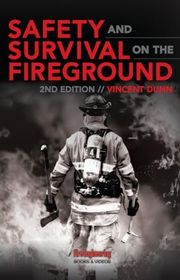
Safety and Survival on the Fireground
For firefighters who want a sustained study of operational hazards rather than a general memoir. Dunn’s focus connects experience with survival decisions, though the technical material calls for discussion alongside current training and department procedures.
What it's about
Vincent Dunn examines hazards encountered during firefighting and the decisions that affect firefighter safety. Drawing on operational experience, he discusses dangerous fireground situations, structural risks, and approaches to understanding and reducing the threats firefighters face.

For readers curious about the working life of airborne wildland firefighters. The combination of career experience, training, and professional history gives the specialty context, though a personal memoir offers a narrower view than a full wildland operations textbook.
What it's about
Jason A. Ramos, writing with Julian Smith, recounts his career fighting wildfires as a smokejumper. Personal experiences of parachuting into remote terrain accompany an account of the profession's history, demanding training, equipment, and work in dangerous natural environments.

Step Up and Lead
For firefighters preparing to take greater responsibility for a team. The practical emphasis on developing people and setting expectations connects leadership with daily service, though readers wanting an incident-command reference will need a different kind of book.
What it's about
Frank Viscuso examines leadership in the fire service through personal qualities, practical skills, and responsibilities toward colleagues and the public. His guide connects developing people and setting expectations with teamwork, service, and the daily decisions of fire officers.

For readers interested in the relationships and pressures inside a specialized rescue company. The extended time spent with one firehouse gives the reporting continuity, though its close focus offers less breadth than a profession-wide history.
What it's about
Tom Downey follows Brooklyn's Rescue 2 firefighters through dangerous calls and the everyday life of their firehouse. Beginning in the mid-1990s, his account explores shifting leadership, demanding rescues, camaraderie, and the challenges brought by September 11.

For recruits who need broad coverage of firefighting skills and department operations. The illustrated textbook supports organized coursework, though the amount of material and edition-dependent requirements make it important to match the version assigned by your training program.
What it's about
IFSTA's training textbook introduces core firefighting skills alongside fire department operations, emergency medical topics, and hazardous materials response. Illustrated lessons cover the equipment, procedures, and practical knowledge used in preparing recruits for their work in the fire service.

Smoke your Firefighter Interview
For applicants who want focused preparation for the oral interview. The questions and reasoning help organize practice more directly than a career memoir, though suggested answers need adapting to your own experience and the department’s hiring process.
What it's about
Paul S. Lepore prepares aspiring firefighters for oral interviews through more than one hundred common questions, suggested answers, and explanations of the reasoning behind them. The guide concentrates on understanding responses and communicating suitability for fire department employment.

Street Smart Firefighting
The Common Sense Guide to Firefighter Safety and Survival
For newer firefighters who want operational ideas explained in direct language. The experience-based approach makes hazards and decision-making accessible, though its common-sense framing works best alongside structured training and the procedures used by your department.
What it's about
Robert C. Bingham draws on fire service experience to discuss safer fireground operations through practical explanations and real incidents. His guide addresses recognizing dangerous situations, planning responses, and improving procedures for firefighters and officers in different departments.
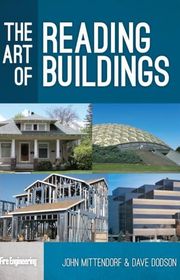
The Art of Reading Buildings
For firefighters and officers who want to connect construction knowledge with assessing a scene. The emphasis on recognizing building features makes the subject operationally focused, though the detail is more useful with prior familiarity with construction terminology.
What it's about
John Mittendorf and Dave Dodson explain how building construction features inform assessment during structure fires. They connect materials, design, and potential hazards with fireground considerations, using practical guides to help readers recognize the implications of different buildings.

Thirty Years on the Line
For readers who prefer practical experience conveyed through firehouse stories. Stapleton connects incidents with the methods used to handle them, though the retrospective Boston perspective should be read in its historical setting rather than as a current procedure manual.
What it's about
Leo Stapleton recounts three decades of events involving the Boston Fire Department and its members. His stories describe conditions encountered at real fires and the methods firefighters used, connecting personal experience with the practical demands of the profession.

For readers interested in a long career within one changing city department. The span from early assignments to senior responsibility gives the memoir a broad perspective, though its lessons come through one firefighter’s recollections rather than a structured course.
What it's about
Bob Dombrowski recounts a career with the Detroit Fire Department, from his first assignments to retirement as a senior chief. His memoir connects emergency calls and station life with the city's upheavals and changes across nearly four decades.

Rescue Men
For readers interested in the family and community ties behind firefighting. The multigenerational perspective gives a broader view of inherited service than a single-career memoir, though the Boston family focus limits its usefulness as general operational guidance.
What it's about
Charles Kenney follows three generations of his Boston firefighting family, beginning with his grandfather's service and continuing through his father and brother. Their experiences connect major emergencies with family loyalties, neighborhood life, and the demands of rescue work.
Sources
- 1
Fire Officer’s Bookshelf | Fire Officer Trust
fireofficertrust.org
- 2
Recommended Reading - Bend Fire Training
bendfiretraining.com
- 3
Books We Like | Firefighter Close Calls | Firefighter Close Calls is the home of the Secret List. The worlds most visited website focused exclusively on firefighter survival
firefighterclosecalls.com
- 4
100 Best Firefighting Books of All Time (Updated for 2026)
shortform.com
- 5
Firefighting Books
goodreads.com
- 6
Recommended books? : r/Firefighting
reddit.com
- 7
What books should every firefighter read? : r/Firefighting
reddit.com
- 8
16 Must-Read Books For Firefighters | FireRescue1.com
firerescue1.com








Edited by
Software engineer whose passion for tracking book recommendations from podcasts inspired the creation of MRB.
Lead investor at 3one4 Capital whose startup expertise and love for books helped shape MRB and its growth.
Comments
Spotted a missing book, a wrong order or a mistake? Tell us and we'll fix this page.
We're a reading guide, not the author or publisher, so we can't send books or pass on messages.