
15 Best Filmmaking Books
The best filmmaking books, ranked by how many expert sources recommend each one, with notes on who they suit, from first productions to directing and editing.
Our take
Making a film means coordinating a story, performances, images and sound within the limits of time and money. Books can help you understand those decisions before a shoot, diagnose what went wrong afterward, or develop a clearer idea of the films you want to make. The most useful choice depends on which part of that process you need help with.
The Filmmaker's Handbook provides a broad technical reference, while Making Movies explains how a director thinks across an entire production. Rebel without a Crew approaches filmmaking through limited resources and improvisation. For more focused study, Film Directing Shot by Shot develops visual planning, The Filmmaker's Eye examines composition, and In the Blink of an Eye considers the judgment behind editing. Memoirs and criticism offer another way to develop your attention, but they serve a different purpose from practical exercises.
Start with Making Movies for an overview of the decisions, then choose a technical guide or specialist book alongside a small project.
15 books · 10 sources · Last updated
As an Amazon Associate, we earn from qualifying purchases (at no extra cost to you).
How to choose from this list
Skip to the full rankingIf you want a director’s overview: Making Movies
If you're making your first film: The Filmmaker's Handbook → Rebel without a Crew
If you want to plan stronger images: The Filmmaker's Eye → Film Directing Shot by Shot
If you want better editing judgment: In the Blink of an Eye → The Conversations
If you want a structured directing course: Directing → On Film-making
If you want to explore artistic purpose: Something Like An Autobiography → Sculpting in Time
The 15 books, ranked
Ranked by how many expert sources name each book. Ties go to the book more people recommend.

Making Movies
For aspiring directors who want to understand how creative choices survive the realities of a production. Its conversational account links departments and decisions particularly well, though it reflects an experienced director’s working methods rather than a beginner’s course.
What it's about
Sidney Lumet explains the artistic and practical decisions involved in directing a film. Drawing on his experience, he follows the process from rehearsals and production design through shooting, editing, sound, and release, showing how many choices shape the finished movie.
Also recommended by
1 person- Ava DuVernay recommended this book
Ava DuVernay
Ava DuVernay recommended this book on Twitter.
Ava DuVernay's recommendation of this book

Rebel without a Crew
Or How a 23-Year-Old Filmmaker With $7,000 Became a Hollywood Player
For filmmakers held back by limited money or equipment. Its concrete example of making a feature with available resources offers momentum that textbooks rarely provide, though one unusually successful production cannot serve as a dependable career plan.
What it's about
Robert Rodriguez recounts making El Mariachi on a tiny budget and the experience that followed its success. His filmmaking diary and practical reflections explore improvisation, resourcefulness, and the techniques he used to turn limited equipment and money into a feature film.
Also recommended by
1 person Edgar Wright recommended this book
Edgar Wright
"Great book." - Edgar Wright
Edgar Wright's recommendation of this book

For editors who know the mechanics but want better judgment about when to cut. Its short, reflective treatment gives emotion priority over technical continuity, though it offers little instruction in software or building an editing workflow.
What it's about
Walter Murch asks why film cuts work and explores the judgments involved in editing. His reflections connect continuity, emotion, dreams, and the blink of an eye with practical decisions, alongside a discussion of digital editing.

The Filmmaker's Handbook
For beginners who need a technical reference across an entire production. Its breadth makes it more useful for troubleshooting than the memoirs here, though the detail can overwhelm casual readers and equipment advice depends on the edition.
What it's about
Steven Ascher and Edward Pincus guide readers through producing, directing, shooting, editing, and distributing films and videos. Technical explanations cover cameras, lenses, lighting, sound, and editing, alongside the business of financing projects and finding audiences.
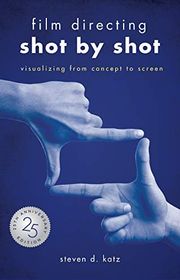
Film Directing Shot by Shot
For directors who need to turn scenes into a workable visual plan. Its diagrams make staging and camera choices easier to examine than prose alone, though reading the examples only helps fully when paired with shooting exercises.
What it's about
Steven D. Katz explains how directors plan images through storyboards, composition, staging and camera movement. Diagrams and examples connect individual shots with scene construction, showing how visual decisions translate a script into action on screen.

On Directing Film
For directors who want a compact argument about telling stories through shots. Its forceful emphasis on clear dramatic action makes it useful for examining scene choices, though the prescriptive voice leaves less room for competing approaches.
What it's about
David Mamet examines the director's work from script development to the cutting room. Based on his film school classes, the book explores the decisions involved in presenting a story that an audience can follow and find compelling.
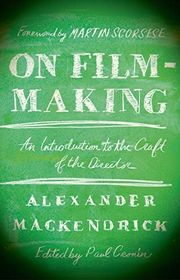
On Film-making
For directors ready to study the relationship between dramatic construction and visual storytelling. Its teaching materials encourage careful analysis beyond production logistics, though the collected notes and lectures require more patient study than a continuous personal narrative.
What it's about
Alexander Mackendrick’s teaching notes and lectures, edited by Paul Cronin, explore dramatic construction and directing. The book connects character, action and narrative with visual expression, using examples and exercises to examine how filmmakers communicate meaning on screen.

For readers who want to hear an editor work through ideas in depth. Its extended dialogue gives more room to creative reasoning than a short manual, though the conversations wander beyond editing and offer no sequential training program.
What it's about
Ondaatje's conversations with legendary editor Walter Murch become a lively book about how films are shaped. They range across editing, sound, story, and the making of major movies, while also asking what writers and filmmakers can learn from each other.

Something Like An Autobiography
For readers interested in how a director’s life and artistic habits develop together. Its personal perspective complements the instructional books, though it ends around Rashomon and cannot provide a retrospective account of Kurosawa’s entire filmmaking career.
What it's about
Akira Kurosawa recounts his life and early filmmaking career through the international success of Rashomon. Personal recollections accompany observations on Japanese cinema, while discussions of scripts, actors, and camera placement explain aspects of his approach to directing.
Also recommended by
1 person Jason Calacanis recommended this book
Jason Calacanis
"Top three director for me." - Jason Calacanis
Jason Calacanis's recommendation of this book
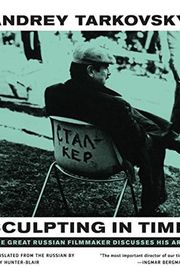
Sculpting in Time
For filmmakers thinking about artistic purpose rather than their next equipment purchase. Its sustained personal philosophy offers a different perspective from practical manuals, though the abstract discussion rewards familiarity with Tarkovsky’s films and patience with demanding arguments.
What it's about
Andrey Tarkovsky reflects on cinema as an art shaped by time, memory and personal experience. Discussing his films and working methods, he examines visual expression, artistic responsibility and the relationship between the filmmaker’s intentions and the viewer’s response.

For visual learners who want to understand what makes a composition communicate. Its annotated film frames connect shot choices with storytelling, though the focus on individual images provides less help with production management or directing actors.
What it's about
Gustavo Mercado explains cinematic composition through illustrated examples of shot types and camera movements. He connects framing choices with storytelling effects, showing how filmmakers apply established visual principles and when they might deliberately break them.

For students who want a structured course with exercises rather than scattered production anecdotes. Its connection between technical practice and artistic intention supports sustained study, though the textbook length asks for more commitment than a quick introductory read.
What it's about
Michael Rabiger examines filmmaking from the director's perspective, connecting technical decisions with artistic judgment. Practical projects and exercises follow the production process, helping readers develop ideas and translate their intentions into finished films.

For filmmakers who want to think more deliberately about color. Its film examples connect visual choices with emotional effects, though the interpretive associations work better as prompts for experimentation than universal rules about what colors mean.
What it's about
Patti Bellantoni examines how filmmakers use color to shape viewers' emotional responses. Grouping examples from more than sixty films around six major colors, she explores relationships between visual choices, characters, and storytelling.

For producers studying how industry contacts and submission routes were organized. Its directory format supplies a different kind of reference from craft manuals, though the listed contacts and policies require fresh verification before any practical use.
What it's about
Jesse Douma and Dinah Perez compile a reference directory of film production companies, managers, financiers, and distributors. Contact listings include information about screenplay submissions and whether companies accept unsolicited material, reflecting the industry at the edition's publication.

Taking It All In
For filmmakers who want to sharpen their responses to performances, tone and storytelling through criticism. Its argumentative reviews encourage active viewing, though they address a particular period’s films and do not teach the practical steps of production.
What it's about
Pauline Kael collects her New Yorker film criticism from 1980 to 1983, covering around 150 movies. Alongside reviews of films such as Tootsie and Fanny and Alexander, she examines Hollywood's commercial priorities and the persistence of worthwhile filmmaking.
Sources
- 1
Best 5 Books on Filmmaking and Directing You Should Read
raindance.org
- 2
9 Essential Books on Filmmaking and Directing
nyfa.edu
- 3
10 Best Filmmaking Books to Read
studiobinder.com
- 4
Filmmaking Books You Need to Read – Top Ten List
indiefilmhustle.com
- 5
Filmmaking Books
goodreads.com
- 6
Best books for someone interested in the film industry?
reddit.com
- 7
Indie Filmmaking Books, Websites, and Documents
lunacyu.com
- 8
The 25 Best Books About Cinema Every Film Lover Should Read
timeout.com
- 9
10 Best Filmmaking Books Every Video Creator Should Read
spotlightfx.com
- 10
The Best Books on Cinematography and Filmmaking
danielgrindrod.com




Edited by
Software engineer whose passion for tracking book recommendations from podcasts inspired the creation of MRB.
Lead investor at 3one4 Capital whose startup expertise and love for books helped shape MRB and its growth.
Comments
Spotted a missing book, a wrong order or a mistake? Tell us and we'll fix this page.
We're a reading guide, not the author or publisher, so we can't send books or pass on messages.