
19 Best Cinematography Books
The best cinematography books, ranked by expert source recommendations, with notes to help you choose camera guides, lighting courses, and visual storytelling texts.
Our take
Cinematography turns decisions about light, lenses, framing, movement, and exposure into images that serve a story. Books can help you understand those decisions, but they approach the craft in different ways. Some provide a technical course, others organize practical exercises, and interviews reveal how working cinematographers negotiate artistic aims, crews, locations, and time. Older books can still teach visual principles even when their equipment has changed.
For a broad grounding, start with Cinematography by Blain Brown, published as Cinematography: Theory and Practice. The Five C's of Cinematography explains how shots fit together, while Introduction to Cinematography encourages learning through practice. Choose Lighting for Cinematography for hands-on lighting study and The Visual Story for the structure behind visual choices. Masters of Light and Reflections offer experienced practitioners’ reasoning; Notes on the Cinematograph takes a more philosophical route. Begin with one instructional book and test its ideas in short scenes before adding more references.
19 books · 10 sources · Last updated
As an Amazon Associate, we earn from qualifying purchases (at no extra cost to you).
How to choose from this list
Skip to the full rankingIf you want a broad technical foundation: Cinematography (Blain Brown)
If you want to practice with a camera: Introduction to Cinematography → The Five C's of Cinematography
If you want to develop lighting skills: Lighting for Cinematography → Painting With Light
If you want to connect images with story: The Filmmaker's Eye → The Visual Story
If you want practitioners’ working methods: Masters of Light → Reflections
If you need a technical reference: American Cinematographer Manual → Behind the Lens
The 19 books, ranked
Ranked by how many expert sources name each book. Ties go to the book more people recommend.

Painting With Light
For filmmakers interested in shaping mood through illumination and shadow. Alton’s artistic reasoning remains useful for thinking about images, though the historical production methods require translation into contemporary equipment and working conditions.
What it's about
John Alton explains how lighting, camera techniques, and locations determine a film's visual mood. Drawing on his cinematographic practice, he describes the creative uses of illumination and shadow, with illustrations supporting accessible discussions of the craft.

For students who want a broad foundation connecting image-making with technical decisions. The coverage makes it a useful main course text, though camera systems and digital workflows should be checked against the edition and equipment you use.
What it's about
Blain Brown connects the visual language of filmmaking with the technical work of cinematography. This third edition discusses digital imaging, optics, focus, camera movement, color workflows, and set operations as parts of creating coherent screen images.

For beginners who need to understand how individual shots become a clear sequence. The organized principles support planning and continuity, though the conventional visual grammar and older examples benefit from comparison with contemporary films.
What it's about
Joseph V. Mascelli organizes filmmaking technique around camera angles, continuity, cutting, close-ups, and composition. Illustrated explanations show how shots fit together, helping filmmakers think visually and maintain clear screen direction while constructing scenes and sequences.

For readers who want to compare how experienced cinematographers develop a visual approach. The contrasting voices make artistic judgment tangible, though the historical interviews provide inspiration and reasoning more readily than current equipment advice.
What it's about
Dennis Schaefer and Larry Salvato interview fifteen cinematographers about controlling a film's visual style. These conversations examine artistic approaches, technical choices, and collaboration, showing how experienced directors of photography solve problems and develop distinctive screen images.

Lighting for Cinematography
A Practical Guide to the Art and Craft of Lighting for the Moving Image
For learners who want to practice lighting rather than only read aesthetic discussions. The exercises and diagrams connect equipment with visual intentions, though the lessons take on more meaning when you can test setups yourself.
What it's about
David Landau explains how film lighting shapes subjects, spaces, movement, and mood. Diagrams, exercises, and professional advice accompany discussions of lighting equipment, daylight, night scenes, color, and special effects for both fiction and nonfiction productions.

A Man with a Camera
For readers interested in how one cinematographer’s artistic priorities survive different productions. The career reflections connect choices with real collaborations, though the personal and film-specific account offers less systematic instruction than a technical textbook.
What it's about
Cinematographer Nestor Almendros reflects on his work across forty films, discussing artistic choices, technical problems, and collaborations with directors and performers. His memoir traces a career through the practical decisions that shape a film's images.
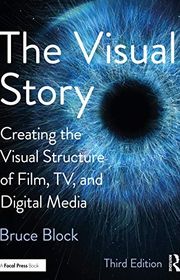
For filmmakers who want a framework connecting visual design with dramatic structure. The relationships among color, space, movement, and rhythm help organize choices, though the analytical vocabulary takes practice to apply without becoming mechanical.
What it's about
Bruce Block explains how space, line, shape, tone, color, movement, and rhythm create a production’s visual structure. Film examples and exercises connect these components with mood, visual style, and the changing demands of a story.

American Cinematographer Manual
For cinematographers who need a technical reference to consult during planning and production. The concentrated professional information supports specific decisions, though it assumes working vocabulary and edition-specific details rather than teaching everything from the beginning.
What it's about
Edited by Michael Goi, this tenth edition collects professional reference material on motion picture cinematography and incorporates digital capture alongside established film practices. It serves as a technical resource for cinematographers navigating production and image recording.

For readers who want to hear how cinematographers and gaffers reason through lighting decisions together. The conversations reveal professional judgment and collaboration, though the interview structure is less systematic than a course built around exercises.
What it's about
Kris Malkiewicz examines lighting through conversations with Hollywood cinematographers and gaffers. Their accounts explain how equipment, collaboration, and aesthetic decisions work together on set, connecting practical lighting problems with the visual intentions of a scene.
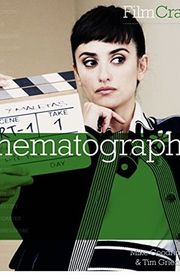
FilmCraft: Cinematography
For readers who want visual examples alongside cinematographers’ explanations of their choices. The combination makes professional approaches easier to compare, though the interview-led format offers a collection of perspectives rather than a continuous technical course.
What it's about
Mike Goodridge and Tim Grierson explore cinematography through discussions with practitioners and images from their films. The accounts examine decisions about color, lighting, camera movement, and film or digital capture, connecting working methods with the resulting screen images.

For readers who want close accounts of how cinematographers translate intentions into lighting and exposure decisions. The production detail connects artistry with method, though the film-era processes require interpretation for contemporary digital work.
What it's about
Benjamin Bergery examines cinematography through the working practices of twenty-one cinematographers. Discussions of lighting setups, film testing, laboratory processing, and individual productions show how practitioners translate visual ideas into images through equipment, experimentation, and collaboration.

Writing with Light
For readers drawn to the relationship between light, color, painting, and personal artistic philosophy. Storaro’s visual thinking encourages interpretation beyond equipment, though the reflective approach is less direct than a practical lighting manual.
What it's about
Vittorio Storaro explores his philosophy of cinematographic light in this first volume of a larger work. Personal writings, film stills, paintings, and philosophical references connect his visual choices with ideas drawn from art and culture.

For camera students and working filmmakers who want technical questions explained through production problems. The practical connections make optics and exposure less abstract, though its range rewards selective reference more than a single linear beginner course.
What it's about
Jay Holben explains the technical decisions behind motion picture images, from lenses and depth of field to exposure, digital recording, filters, and lighting. Practical discussions connect equipment choices with problems encountered across different kinds of productions.

Cinematography
For students who want a grounding in camera equipment and the practical filmmaking process. The coverage connects shooting decisions with production needs, though the film-oriented material and older technology require attention to what remains applicable.
What it's about
Kris Malkiewicz and M. David Mullen introduce the equipment and processes of filmmaking, covering cameras, film stocks, filters, lighting, sound, and postproduction. This revised guide connects technical instruction with the practical demands of shooting.

Notes on the Cinematograph
For filmmakers interested in a concentrated artistic philosophy of images and sound. The brief notes invite slow reflection on expressive choices, though they are deliberately fragmentary and offer little conventional technical instruction.
What it's about
Robert Bresson's brief reflections distill his approach to filmmaking, considering the differences between cinema and theater, the relationship between images and sounds, and the expressive possibilities of silence. The notes present an exacting artistic philosophy.

For visual learners who want composition connected directly to storytelling effects. The film-frame examples make shot choices concrete, though you will need shooting practice to turn recognition of those choices into confident execution.
What it's about
Gustavo Mercado explains cinematic composition through illustrated examples of shot types and camera movements. He connects framing choices with storytelling effects, showing how filmmakers apply established visual principles and when they might deliberately break them.

For beginners who want learning organized around doing. The practical exercises connect camera, lens, and lighting choices with intended images, though progress depends on making time to shoot and evaluate your own results.
What it's about
Tania Hoser teaches cinematography through practical exercises that build camera, lens, and lighting skills. Her guide moves through professional working methods and low-budget filmmaking, helping readers connect technical decisions with the images they want to create.

Conversations with Cinematographers
For readers who enjoy learning through practitioners’ careers and recollections. The range of conversations reveals different working relationships and approaches, though it offers accumulated experience rather than a structured progression through camera and lighting skills.
What it's about
David A. Ellis interviews cinematographers and camera operators about their careers, working methods, and experiences on film sets. Their recollections explore the craft behind movie images and collaborations with directors across decades of cinema.

The Art of the Cinematographer
For film enthusiasts who want historical cinematographers’ contributions brought into view. Interviews and career context illuminate the people behind familiar images, though it is more useful for craft history than learning current production techniques.
What it's about
Leonard Maltin surveys cinematography and interviews Arthur Miller, Hal Mohr, Hal Rosson, Lucien Ballard, and Conrad Hall. Photographs and filmographies accompany their recollections, revealing the technical craft and creative contributions behind familiar movie images.
Sources
- 1
30 Best Cinematography Books That Actually Inspire
studiobinder.com
- 2
The 25 Best Cinematography Books
nofilmschool.com
- 3
6 Best Books For Cinematographers in 2026: The Top Books On Cinematography
filmlifestyle.com
- 4
8 Books On Cinematography That Are Essential Reading
flickside.com
- 5
5 Cinematography Books Filmmakers Should Check Out
nyfa.edu
- 6
Educational Resource Books for Cinematography
filmmakersacademy.com
- 7
Cinematography Books
goodreads.com
- 8
Best book for cinematography
reddit.com
- 9
Recos for film/cinematography books?
reddit.com
- 10
The Best Books on Cinematography and Filmmaking
danielgrindrod.com







Edited by
Software engineer whose passion for tracking book recommendations from podcasts inspired the creation of MRB.
Lead investor at 3one4 Capital whose startup expertise and love for books helped shape MRB and its growth.
Comments
Spotted a missing book, a wrong order or a mistake? Tell us and we'll fix this page.
We're a reading guide, not the author or publisher, so we can't send books or pass on messages.