
14 Best Film History Books
The best film history books, ranked by how many expert sources recommend each, with notes on broad surveys, Hollywood histories, criticism, and who each suits.
Our take
Film history can mean tracing an international art form, following changes in the movie business, or learning how audiences and critics understood particular films. A director's recollections reveal working decisions; an industry history explains the conditions around them. Critical collections offer another perspective, preserving arguments and tastes that shaped a period without providing a complete chronological account.
For a broad introduction, The Story of Film emphasizes international creative connections, while Film History offers a more structured textbook approach. Pictures at a Revolution examines Hollywood at a turning point, and Easy Riders Raging Bulls follows the personalities of the following era. Five Came Back links filmmaking with wartime responsibility. Making Movies and Hitchcock bring production choices closer, while From Reverence to Rape asks different questions about representation. On the History of Film Style suits readers ready for closer formal analysis. Start with a survey, then choose a period or critical question to explore through the films themselves.
14 books · 7 sources · Last updated
As an Amazon Associate, we earn from qualifying purchases (at no extra cost to you).
How to choose from this list
Skip to the full rankingIf you want an accessible worldwide overview: The Story of Film
If you want a structured course of study: Film History → On the History of Film Style
If you're interested in New Hollywood: Pictures at a Revolution → Easy Riders Raging Bulls
If you want filmmaking decisions explained: Making Movies → Hitchcock
If you want to examine women's representation: From Reverence to Rape
If you're interested in cinema and war: Five Came Back
The 14 books, ranked
Ranked by how many expert sources name each book. Ties go to the book more people recommend.

Hitchcock
For readers who want to understand directorial technique through sustained conversation between filmmakers. The film-by-film discussion offers precise creative context, though Hitchcock's self-presentation and Truffaut's admiration benefit from comparison with independent historical accounts.
What it's about
François Truffaut presents extensive conversations with Alfred Hitchcock about films spanning his career, from British silents to Hollywood productions. Their exchanges examine directorial choices, storytelling, and cinematic technique while revealing Hitchcock's perspective on his own work.

Easy Riders Raging Bulls
How the Sex-Drugs-And Rock 'N Roll Generation Saved Hollywood
For readers who want a fast-moving account of New Hollywood's personalities and power struggles. Its interview-driven storytelling makes the period vivid, though the emphasis on scandal and disputed portrayals calls for reading it alongside more measured industry histories.
What it's about
Peter Biskind chronicles the filmmakers who reshaped American cinema during the 1970s. Drawing on interviews, he examines artistic ambition, studio politics, personal excess, and the changing business of Hollywood during a period of unusually influential films.
Also recommended by
2 people B.J. Novak recommended this book
B.J. Novak
"Highly recommend it. [...] About filmmaking in the glory days of the '70s." - B.J. Novak
B.J. Novak's recommendation of this book  Trung Phan recommended this book
Trung Phan
"About the Post-70s Hollywood industry." - Trung Phan
Trung Phan's recommendation of this book

For readers interested in cinema's relationship with war, propaganda, and public responsibility. Its linked director portraits connect institutional history with personal experience, though the American wartime focus leaves other national cinemas and later periods outside its scope.
What it's about
Mark Harris follows five Hollywood directors who made films for the American war effort during World War II. Their intertwined experiences reveal the relationship between cinema, propaganda, military bureaucracy, and the lasting personal consequences of witnessing combat.
Also recommended by
1 person Edgar Wright recommended this book
Edgar Wright
Edgar Wright recommended this book on Twitter.
Edgar Wright's recommendation of this book
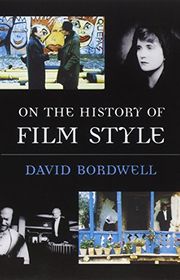
On the History of Film Style
For readers who want to understand how historians explain changes in cinematic form. Its close attention to staging and competing interpretations sharpens analytical viewing, though the scholarly argument is denser than a chronological introduction or collection of reviews.
What it's about
David Bordwell examines how film historians have explained stylistic continuity and change. Discussions of theories, filmmaking problems, and cinematic staging connect interpretations of film history with detailed analysis of images from different periods and national traditions.
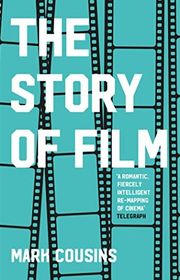
The Story of Film
For readers who want an accessible history that looks beyond Hollywood to international innovation. Its emphasis on images and creative connections helps guide further viewing, though the personal selection and broad sweep leave less room for detailed industrial context.
What it's about
Mark Cousins traces cinema's development across countries, periods, and filmmaking traditions. He connects changes in visual storytelling with individual films and directors, explaining how innovations in technique and expression shaped the experience of watching movies.

For readers who want cultural change explained through the production of a small group of films. The comparative structure connects artistic choices with industry pressures, though its concentrated moment offers less chronological breadth than a general cinema history.
What it's about
Mark Harris follows the making of five films nominated for the 1967 Best Picture Oscar. Their contrasting productions reveal a Hollywood confronting changing audiences, social tensions, and artistic ambitions as the established studio system faced transformation.
Also recommended by
2 people Quentin Tarantino recommended this book
Quentin Tarantino
"Probably one of the best books I’ve ever read in my life." - Quentin Tarantino
Quentin Tarantino's recommendation of this book - Edgar Wright recommended this book
Edgar Wright
Edgar Wright recommended this book on Twitter.
Edgar Wright's recommendation of this book
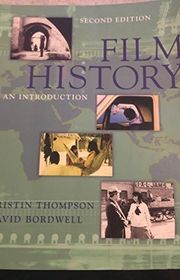
Film History: An Introduction
For students and committed viewers who want a structured chronological foundation. Its attention to national cinemas, production, and distribution offers breadth missing from personality-driven Hollywood accounts, though the textbook scale requires sustained study and the edition determines its endpoint.
What it's about
Kristin Thompson and David Bordwell survey cinema from its origins through developments in international filmmaking. The textbook connects films and stylistic movements with technology, production practices, exhibition, and the economic and political conditions of different national industries.

Making Movies
For readers who want a director's explanation of how creative decisions become finished films. The practical detail gives historical viewing useful production context, though it presents one filmmaker's working methods rather than a chronological account of the industry.
What it's about
Sidney Lumet explains the artistic and practical decisions involved in directing a film. Drawing on his experience, he follows the process from rehearsals and production design through shooting, editing, sound, and release, showing how many choices shape the finished movie.
Also recommended by
1 person- Ava DuVernay recommended this book
Ava DuVernay
Ava DuVernay recommended this book on Twitter.
Ava DuVernay's recommendation of this book

For readers interested in restrained filmmaking and the relationship between style and spiritual experience. Its comparison of three directors provides a focused interpretive framework, though the theoretical argument is demanding and works best after seeing the films.
What it's about
Paul Schrader analyzes the films of Ozu, Bresson, and Dreyer to identify a shared style of spiritual expression. He examines restrained camerawork, performance, and editing, then considers how his framework relates to later contemplative cinema.

For readers who want an accessible critic's perspective across several decades of movies. Its mix of reviews, interviews, and essays encourages selective browsing, though a personal collection cannot provide the continuity or coverage of a systematic history.
What it's about
This collection brings together Roger Ebert's film reviews, interviews, and essays from decades of criticism. His writing examines individual movies and their makers while charting changes in cinema and the experience of watching films.

For readers who want film noir connected with the people and culture behind it. The illustrated, story-led approach makes the period tangible, though its concentrated genre perspective gives less attention to wider international developments or competing historical frameworks.
What it's about
Eddie Muller explores film noir through its screen stories and the lives of the people who created them. Illustrated with film stills and posters, the history connects postwar Hollywood's artistry with politics, scandal, and cultural cynicism.

For Keeps
For readers who want to encounter film history through an opinionated contemporary critic. The chronological range captures changing tastes and arguments, though Kael's forceful preferences invite disagreement and assume some familiarity with the films under discussion.
What it's about
Pauline Kael gathers reviews and essays from across her career, arranged chronologically to chart several decades of cinema. The collection examines films, performances, and directors, and includes her extended essay on the making of Citizen Kane.

For readers who want to examine women's screen roles alongside changing social expectations. Its feminist perspective challenges a director-centered history of Hollywood, though the argumentative criticism is more selective and interpretive than a comprehensive survey of representation.
What it's about
Molly Haskell examines how movies represent women and how those images relate to women's position in society. Her feminist film criticism explores stars, directors, and changing screen roles across Hollywood's history and later twentieth-century cinema.

Rebels on the Backlot
Six Maverick Directors and How They Conquered the Hollywood Studio System
For readers interested in how distinctive directors worked within 1990s Hollywood. Its linked career stories connect artistic ambition with studio pressures, though the focus on six prominent men provides a selective picture of the period.
What it's about
Sharon Waxman follows six directors who reshaped Hollywood filmmaking in the 1990s: Quentin Tarantino, Steven Soderbergh, David Fincher, Paul Thomas Anderson, David O. Russell, and Spike Jonze. Their intertwined careers reveal the tensions between individual vision and studio production.
Sources
- 1
The 25 Best Books About Cinema (From History to Filmmaking)
timeout.com
- 2
The best film books, by 51 critics
bfi.org.uk
- 3
The Best Film History Books of All-Time
bookscrolling.com
- 4
Film History Books
goodreads.com
- 5
Any film history book recommendations?
reddit.com
- 6
Explore the History of Film with These Dazzling Reads
explorethearchive.com
- 7
Film History Reading List
students.wlu.ca








Edited by
Software engineer whose passion for tracking book recommendations from podcasts inspired the creation of MRB.
Lead investor at 3one4 Capital whose startup expertise and love for books helped shape MRB and its growth.
Comments
Spotted a missing book, a wrong order or a mistake? Tell us and we'll fix this page.
We're a reading guide, not the author or publisher, so we can't send books or pass on messages.