
13 Best Etiquette Books
The best etiquette books, ranked by how many expert sources recommend each one, with notes to help adults, families, and professionals choose where to start.
Our take
Etiquette books help with situations where consideration is easy to value but harder to put into practice: introducing people, accepting invitations, sharing a meal, or responding to an awkward comment. Some explain particular conventions, while others help you think through what respect requires when expectations differ. Their advice is most useful when read with attention to culture, setting, and the people involved.
For a broad contemporary reference, try Emily Post's Etiquette, The Centennial Edition. Modern Etiquette Made Easy offers a more structured starting point, while Miss Manners' Guide to Excruciatingly Correct Behavior uses questions and humor to explore difficult cases. Families can practice together with A Kids' Guide to Manners or Connoisseur Kids. Work and international business call for a different emphasis. Start with the situation you need to handle, then choose a guide whose audience and cultural assumptions match it.
13 books · 7 sources · Last updated
As an Amazon Associate, we earn from qualifying purchases (at no extra cost to you).
How to choose from this list
Skip to the full rankingIf you want an everyday starting point: Modern Etiquette Made Easy → Emily Post's Etiquette, The Centennial Edition
If you want to think through awkward cases: Miss Manners' Guide to Excruciatingly Correct Behavior
If you're teaching children: A Kids' Guide to Manners → Connoisseur Kids
If you want help at work: Modern Manners → The Essentials of Business Etiquette
If you're preparing for international business: Kiss, Bow, or Shake Hands
If you want dining basics: Tiffany's Table Manners for Teenagers
The 13 books, ranked
Ranked by how many expert sources name each book. Ties go to the book more people recommend.
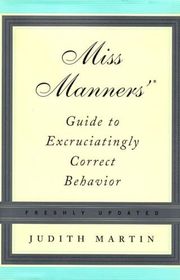
Miss Manners' Guide to Excruciatingly Correct Behavior
For readers who learn through awkward questions and pointed answers. Martin makes the reasoning behind courtesy memorable, though her deliberately formal voice and older examples can feel less direct than a modern practical handbook.
What it's about
Judith Martin answers questions about social obligations, family life, guests, correspondence, and public behavior. Letters and essays examine what courtesy requires when people disagree, combining practical judgments with humor about the ways people excuse inconsiderate conduct.

For adults who want a structured introduction to social confidence. The five-step approach connects everyday and formal situations clearly, although its emphasis on polished presentation reflects particular Western conventions rather than universal rules.
What it's about
Myka Meier organizes etiquette into a five-step method covering social, dining, business, and networking situations. Lessons address first impressions and being a considerate guest, translating formal manners into practical guidance for readers seeking confidence in everyday and professional interactions.
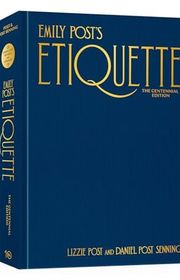
Emily Post's Etiquette, The Centennial Edition
For readers wanting a broad, current reference to American social expectations. It handles contemporary communication alongside traditional occasions, though its breadth makes it more useful for consultation than a quick course to finish.
What it's about
Lizzie Post and Daniel Post Senning update the family reference for contemporary life. Chapters address introductions, pronouns, entertaining, digital communication, gifts, tipping, and supporting people through difficult events, linking everyday choices to consideration and respect.

For families wanting lessons children can try rather than simply memorize. Quizzes and practice make everyday situations approachable, though adults seeking detailed advice for work or formal entertaining will need a broader reference.
What it's about
Katherine Flannery teaches children everyday manners through fifty lessons, quizzes, examples, and family practice activities. The guide covers home, school, social events, and online communication, encouraging kindness and respect while explaining how to handle unfamiliar or awkward situations.
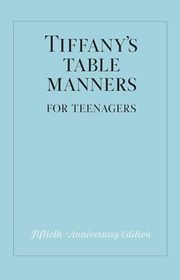
Tiffany's Table Manners for Teenagers
For teenagers or adults who want a short introduction to formal dining. Its illustrated steps are easy to revisit before a meal, but the narrow focus and traditional conventions leave broader social questions unanswered.
What it's about
Walter Hoving explains how to behave throughout a meal, from using utensils to being a considerate dining companion. Joe Eula's illustrations accompany guidance on service, difficult foods, and the small actions that help a dinner feel comfortable.

For parents helping girls practice courtesy in manageable steps. Its fifty situations make discussion easy, although the traditional, gendered framing is narrower than a general family guide to manners and social confidence.
What it's about
Kay West and her collaborators introduce etiquette for girls through fifty everyday situations. Topics include conversations with adults, accepting gifts, appropriate dress, gracious responses to winning or losing, and thank-you notes, explaining how courteous behavior supports relationships.
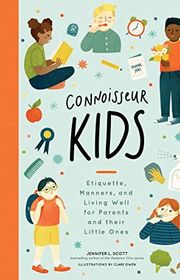
Connoisseur Kids
For parents who want manners woven into family routines. Games and activities offer more shared practice than an adult reference book, though the approach asks for parental involvement and suits younger children most naturally.
What it's about
Parents and children explore communication, dining, tidiness, grooming, and consideration through shared activities. Games, writing exercises, recipes, songs, and illustrated lessons turn everyday household routines into opportunities to practice courteous behavior and care for other people.
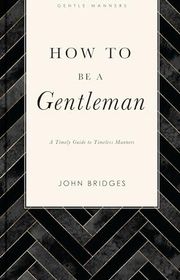
How to Be a Gentleman
For men seeking a compact guide to everyday courtesy and social responsibilities. Its brief advice is easy to consult, though the gentleman framing and traditional expectations may feel restrictive compared with guides organized around specific situations.
What it's about
John Bridges offers guidance for men on conversation, clothing, correspondence, hosting, and public behavior. The revised handbook also considers phones and email, presenting practical responses to situations that call for tact, consideration, or familiarity with social conventions.
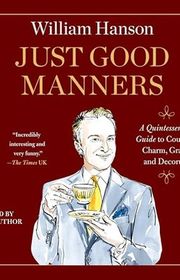
Just Good Manners
For readers who enjoy a humorous British approach to everyday courtesy. Hanson connects traditional formality with modern communication, though some judgments reflect a particular social setting and won't transfer neatly to every culture or relationship.
What it's about
William Hanson discusses courtesy in conversations, email, dining, and everyday encounters. Questions about small talk, table settings, and life at home become starting points for considering how thoughtful behavior can show kindness and respect to other people.
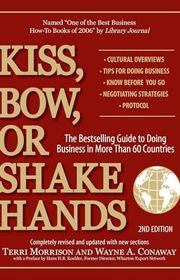
Kiss, Bow, or Shake Hands
For professionals preparing to work across national boundaries. Country profiles provide a broader cultural perspective than the mainly American guides here, though generalizations and older business conditions require checking against the people and situation involved.
What it's about
Terri Morrison and Wayne A. Conaway introduce business customs in more than sixty countries. Profiles discuss communication, social expectations, and professional protocol, helping travelers prepare for meetings and recognize that familiar habits may carry different meanings elsewhere.

For people entering professional life who prefer concise dos and don'ts. Its coverage joins workplace behavior with social occasions, though the compact format leaves less room for complicated cases and changing digital habits.
What it's about
Dorothea Johnson and Liv Tyler explain etiquette for professional and social settings through practical dos and don'ts. Topics include interviews, meetings, conversation, dining, email, and social media, with Tyler's commentary connecting formal guidance to experiences of everyday life.
The Essentials of Business Etiquette
For people who want workplace advice they can consult between tasks. Its short tips cover concrete situations efficiently, although technology examples such as Skype and tweeting need translating to the tools your workplace uses today.
What it's about
Barbara Pachter presents 101 tips on professional behavior, covering introductions, interviews, clothing, dining, presentations, and communication. The guide connects small choices in meetings and daily interactions with the impression colleagues, clients, and business partners form of someone.

For readers interested in the history behind formal American manners. Its detailed original rules reveal the assumptions of 1922 society, so use it as a historical reference rather than a complete guide to present conduct.
What it's about
Emily Post's original 1922 etiquette guide describes the social conventions of its era. Chapters address conversation, greetings, formal dinners, weddings, funerals, and business settings, offering a detailed view of expected conduct across private and public social life.
Sources
- 1
Etiquette Advice – The 10 Best Etiquette Books of All Time
beaumontetiquette.com
- 2
100 Best Etiquette Books of All Time (Updated for 2026)
shortform.com
- 3
27 Best Books About Etiquette
townandcountrymag.com
- 4
Etiquette Books
goodreads.com
- 5
Best etiquette Books?? : r/etiquette
reddit.com
- 6
The Best Books on Modern Manners Recommended by a Certified Etiquette Trainer — Courtney Opalko Etiquette
courtneyopalkoetiquette.com
- 7
Etiquette Books - 10 Best Business Etiquette Books [2026]
wallstreetmojo.com








Edited by
Software engineer whose passion for tracking book recommendations from podcasts inspired the creation of MRB.
Lead investor at 3one4 Capital whose startup expertise and love for books helped shape MRB and its growth.
Comments
Spotted a missing book, a wrong order or a mistake? Tell us and we'll fix this page.
We're a reading guide, not the author or publisher, so we can't send books or pass on messages.