
20 Best Welding Books
The best welding books, ranked by how many expert sources recommend each one, with notes for choosing beginner guides, technical textbooks, and workshop projects.
Our take
Welding books serve several jobs: explaining unfamiliar processes, guiding practice, supporting workshop projects, and providing technical data for experienced users. A beginner's illustrated guide and a professional handbook can both be useful, but at different stages. Some titles here range across joining and cutting methods; others concentrate on MIG welding, material behavior, calculations, or decorative fabrication.
Welding For Dummies offers a broad introduction, while Learn to Weld focuses on MIG and basic fabrication through photographs and exercises. Farm and Workshop Welding suits varied repair and metalworking interests. For sustained technical study, consider Modern Welding. Audel Welding Pocket Reference and Pocket Welding Guide are better suited to quick consultation once the terms are familiar. Welding Complete and Ready, Set, Weld! connect techniques with finished projects. Start with the illustrated guide that matches your intended process, then add a reference or specialist book as your questions become more specific.
20 books · 8 sources · Last updated
As an Amazon Associate, we earn from qualifying purchases (at no extra cost to you).
How to choose from this list
Skip to the full rankingIf you're starting from zero: Welding For Dummies
If you want to focus on MIG welding: Learn to Weld
If you want practical workshop coverage: Farm and Workshop Welding
If you want a technical foundation: Modern Welding → Metals and How To Weld Them
If you need a compact reference: Audel Welding Pocket Reference → Pocket Welding Guide
If you learn through projects: Welding Complete → Ready, Set, Weld!
The 20 books, ranked
Ranked by how many expert sources name each book. Ties go to the book more people recommend.

For beginners who want to concentrate on MIG welding and basic fabrication. The sequential photographs make practice easier to follow, though the focused process coverage leaves readers needing another reference when they move into other welding methods.
What it's about
Stephen Christena introduces MIG welding and basic metal fabrication through sequential photographs, tutorials, and practice projects. The guide begins with workshop setup, equipment, materials, and safety, then develops cutting, grinding, and joining techniques with troubleshooting for common problems.

Modern Welding
For students who want a broad technical foundation across welding and cutting processes. Its textbook structure brings equipment, metallurgy, and inspection together, though the amount of material is better suited to sustained study than quick project preparation.
What it's about
This welding textbook covers processes, equipment, metallurgy, and techniques for joining ferrous and nonferrous metals. Illustrations and technical explanations address welding symbols, heat treatment, cutting, inspection, and testing, supporting both classroom instruction and practical workshop reference.

For home and workshop welders who want several common processes in one guide. Finch connects equipment and setup with practical technique, though the overview cannot replace the depth of a specialized process or materials reference.
What it's about
Richard Finch explains welding equipment, setup, and techniques for home and workshop use. The guide covers MIG, TIG, arc, and oxyacetylene welding, along with plasma cutting, helping readers understand processes and choose methods for metalworking projects.

For students who want a substantial textbook connecting theory with workshop applications. Jeffus combines explanations and exercises across major processes, though the length and course-oriented detail make it less convenient than a concise hobbyist guide.
What it's about
Larry Jeffus introduces welding principles through explanations, practical examples, and exercises connecting theory with workshop applications. The textbook covers major joining and cutting processes, occupational preparation, inspection, and testing, with material addressing both foundational knowledge and professional skill development.

Audel Welding Pocket Reference
For welders who want common technical details close at hand. Its compact charts make quick consultation easier than searching a large textbook, though the compressed format assumes some familiarity with the terms and processes.
What it's about
James E. Brumbaugh and Rex Miller provide a compact reference to common welding situations. Charts and explanations cover symbols, joint and weld types, workstation configurations, oxygen cylinders, arc-welding information, and measurements, offering technical details for use on the job.

For practical readers whose work involves repairs and varied workshop tasks. Pearce's illustrations and troubleshooting keep the focus on usable skills, though the broad mix of welding and related metalworking offers less specialist depth than a dedicated technical text.
What it's about
Andrew Pearce explains welding, cutting, and shaping metal for farm and workshop use. Illustrated instructions cover arc, TIG, MIG, and gas welding, alongside soldering, plasma cutting, and related skills such as drilling and blacksmithing, with projects and troubleshooting advice.

Math for Welders
For welding students who need mathematics tied to recognizable shop situations. The workbook gives calculations a practical purpose and space for practice, though readers confident in the basics may prefer a compact reference for occasional checks.
What it's about
Nino Marion teaches mathematics through problems drawn from welding work. This workbook connects basic calculations with practical shop situations, using exercises and word problems to help students apply numerical skills and check their understanding before tackling fabrication tasks.

Procedure Handbook of Arc Welding
For experienced welders, engineers, and supervisors who need a substantial arc-welding reference. The procedures and technical tables support industrial questions, though the dense format assumes more background than an introductory workshop manual.
What it's about
This reference handbook brings together arc welding procedures and technical guidance for welders, engineers, and supervisors. Photographs, diagrams, and tables explain fabrication practices and welding applications, helping readers connect process selection with the demands of industrial work.

For readers who want basic techniques followed by projects they can build. The illustrated plans connect preparation with fabrication and finishing, though following selected objects provides less complete theoretical coverage than a training textbook.
What it's about
This illustrated guide explains welding tools, safety, metal selection, and major welding and cutting processes. Step-by-step projects show how to fabricate useful objects, with photographs and instructions covering construction, shaping, and finishing for home and workshop applications.

Welding For Dummies
For beginners who want a broad introduction before choosing equipment or a process. Farnsworth explains the vocabulary in an approachable format, though covering many methods leaves less room for the concentrated practice of a process-specific guide.
What it's about
Steven Robert Farnsworth introduces welding methods and the practical choices involved in setting up a workshop. The guide covers metals, safety, stick, TIG, and MIG welding, along with cutting processes, projects, and repairs for beginners and hobbyists.

For makers who want a defined set of decorative projects using a familiar material. The photographs turn horseshoes into approachable fabrication exercises, though the narrow project theme offers less general skill development than a broader welding manual.
What it's about
Barbie the Welder presents more than thirty projects that turn horseshoes into household objects and decorative art. Photographs accompany guidance on welding equipment, safety, assembly, and finishing, with projects ranging from wine racks and picture frames to outdoor ornaments.

For home welders who want an illustrated introduction to several processes. Bridigum connects equipment, joint preparation, and practical exercises, though the breadth makes it less detailed than a guide devoted entirely to MIG or TIG technique.
What it's about
Todd Bridigum introduces welding through equipment guidance, metal properties, joint types, and illustrated exercises. The manual covers gas, stick, MIG, and TIG welding alongside brazing, soldering, and cutting, linking technique with shop safety and practical fabrication work.

Metals and How To Weld Them
For welders who want to understand why different metals require different decisions. Jefferson connects material behavior with practical welding choices, though the metallurgy takes more study than a project-based introduction and the industrial examples reflect the book's era.
What it's about
T. B. Jefferson explains how metal structure and physical properties affect welding. The book examines industrial metals, their weldability, and suitable processes and procedures, using illustrations and review material to connect metallurgy with practical decisions at the welding bench.
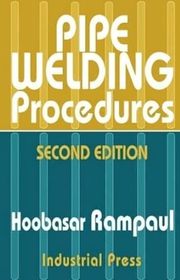
Pipe Welding Procedures
For welders moving from general fabrication toward pipe work. Rampaul gives joint preparation, positions, and process decisions a focused treatment, though the specialized technical detail assumes basic welding knowledge and leaves broader project work aside.
What it's about
Hoobasar Rampaul explains procedures for welding pipe, connecting preparation, positioning, heat control, and metallurgical considerations. Discussions of weld defects, distortion, and qualification help readers understand the choices involved in producing and evaluating pipe joints across different working conditions.

Pocket Welding Guide
For students and working welders who want a portable technical reminder. The organized process data and troubleshooting material support quick checks, though its condensed explanations make it a companion to training rather than a full course.
What it's about
This compact reference provides practical information on welding processes, metals, filler materials, shielding gases, and operating parameters. It also covers welding symbols and common weld problems, giving welders a portable guide for selecting procedures and troubleshooting their work.

For home makers who learn best by building useful or decorative objects. Matin's projects give practice a visible result, though the creative emphasis provides less systematic coverage of welding theory and industrial applications than a textbook.
What it's about
Kimberli Matin introduces welding through creative projects for the home and garden. Instructions combine basic tools and techniques with steel rods, bars, and salvaged materials, producing pieces such as garden furniture, decorative screens, and plant stands.

Welding Licensing Exam Study Guide
For welders who want study organized around examination preparation. The focused review provides a clearer study purpose than a general project book, though this edition's coverage needs comparison with the requirements of the particular qualification being pursued.

Welding Skills
For students who want theory reinforced through practical skill-building exercises. Moniz combines illustrated instruction with reference material and standard terminology, though the classroom-oriented coverage is more extensive than many hobbyists need for an occasional repair.
What it's about
B. J. Moniz combines welding theory with step-by-step skill-building exercises and extensive illustrations. This fifth edition addresses safety, pipe welding, metallurgy, the weldability of different metals, and weld evaluation, supporting practical training with standard terminology and reference material.
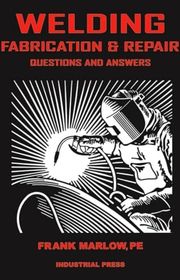
Welding Fabrication and Repair: Questions & Answers
For welders who know the basics and want to turn them into workable fabrications and repairs. Marlow's question-and-answer format makes specific problems approachable, though the reference structure provides less of a continuous learning course.
What it's about
Frank Marlow addresses practical fabrication and repair questions beyond producing a weld bead. Illustrated explanations cover working with metal shapes, pipe and tubing, bending and straightening, and construction decisions, connecting welding skills with the problems of making useful objects.

Welding Fundamentals
For students already using the accompanying textbook who want structured reinforcement. The lab workbook gives concepts and technical questions room for practice, though it is a companion resource and offers less value as a standalone introduction.
What it's about
This lab workbook accompanies the Welding Fundamentals textbook with questions and exercises that reinforce chapter material. Students review welding concepts and apply their understanding to technical problems, using the workbook alongside classroom instruction and workshop learning.
Sources
- 1
The 7 (Or So) Best Welding Books in My Library | WelditU
welditu.com
- 2
20 of the Best Welding Books to Go from Beginner to Expert - Welding Headquarters
weldingheadquarters.com
- 3
92 Best Welding Books of All Time (Updated for 2026)
shortform.com
- 4
Welding Books
goodreads.com
- 5
Book recommendations : r/Welding
reddit.com
- 6
Welding books to learn : r/Welding
reddit.com
- 7
10 Essential Books for Professional Welders - Practical Machinist
practicalmachinist.com
- 8
The Best 13 Welding Books - Blinkist
blinkist.com







Edited by
Software engineer whose passion for tracking book recommendations from podcasts inspired the creation of MRB.
Lead investor at 3one4 Capital whose startup expertise and love for books helped shape MRB and its growth.
Comments
Spotted a missing book, a wrong order or a mistake? Tell us and we'll fix this page.
We're a reading guide, not the author or publisher, so we can't send books or pass on messages.