
15 Best Shamanism Books
The best shamanism books, ranked by how many expert sources recommend each one, with notes on reader fit, cultural context, and the best place to start.
Our take
Books about shamanism approach their subject from very different positions. Anthropologists compare ritual specialists and the communities around them. Practitioners describe relationships with spirits, ceremonies, and personal experiences. Contemporary spiritual guides often adapt selected ideas into exercises for individual readers. These approaches can illuminate one another, but they do not offer the same kind of evidence or speak for every tradition grouped under the word shamanism.
The books here range from comparative scholarship to memoir, botanical reference, and speculative accounts of consciousness. Singing to the Plants concentrates on Upper Amazon mestizo practice, while Chosen by the Spirits draws on Mongolian and Buryat traditions. The Way of the Shaman introduces Harner's modern core-shamanism approach. Readers interested in personal experience may prefer Of Water and the Spirit to a dense theoretical study. Start with the kind of understanding you want: a specific cultural account, a historical comparison, or an introduction to one practitioner's spiritual framework.
15 books · 8 sources · Last updated
As an Amazon Associate, we earn from qualifying purchases (at no extra cost to you).
How to choose from this list
Skip to the full rankingIf you want historical comparison: Shamanism
If you want an Upper Amazon account: Singing to the Plants → Hallucinogens and Shamanism
If you're exploring core shamanism: The Way of the Shaman → Cave and Cosmos
If you prefer personal experience: Of Water and the Spirit
If you want Mongolian and Buryat perspectives: Chosen by the Spirits
If you want botanical context: Plants of the Gods
The 15 books, ranked
Ranked by how many expert sources name each book. Ties go to the book more people recommend.

The Way of the Shaman
For beginners interested in Harner's modern core-shamanism practice. Its direct explanations make his approach easier to enter than academic surveys, though the cross-cultural framework should not stand in for studying individual traditions in context.
What it's about
Michael Harner introduces his approach to practical shamanism, drawing on anthropological fieldwork and personal experience. He describes altered consciousness, drumming, spiritual journeys, and helper spirits as elements of a practice he associates with healing and personal exploration.

For readers seeking a foundational comparative study of ritual, initiation, and ecstatic experience. Its historical reach makes later debates easier to understand, though its universalizing approach and older scholarship need critical reading alongside culture-specific studies.
What it's about
Eliade surveys shamanic traditions across Siberia, Central Asia, and other regions, examining their rituals, beliefs, and accounts of ecstatic experience. His comparative study considers initiation, spiritual journeys, and the shaman's role within diverse religious communities.
Also recommended by
1 person Jordan Peterson recommended this book
Jordan Peterson
Recommended on Jordan Peterson's website.
Jordan Peterson's recommendation of this book

For readers seeking a biological and social framework for comparing ritual practices. Its theoretical depth distinguishes it from practitioner manuals, though the academic language and broad explanatory model demand a patient, questioning reader.
What it's about
Michael J. Winkelman examines shamanic practices through biological, evolutionary, and social frameworks. He investigates altered consciousness, communal ritual, and healing, proposing that these practices reflect mechanisms connecting brain processes, group life, and the development of human societies.

For readers drawn to speculative connections between Amazonian knowledge and biology. Narby's personal inquiry raises unusual questions about how knowledge is understood, though its proposed DNA connection remains a hypothesis rather than established science.
What it's about
Anthropologist Jeremy Narby investigates Amazonian shamanic knowledge and his own visionary experiences. He proposes connections among serpent imagery, consciousness, and DNA, combining ethnographic accounts with biological research in an inquiry into the possible origins of indigenous knowledge.
Also recommended by
2 people Aubrey Marcus recommended this book
Aubrey Marcus
"[The author's] theory is that DNA is a universal language in itself, a language that can be accessed and downloaded by shamans or people in trance." - Aubrey Marcus
Aubrey Marcus's recommendation of this book  Dan Engle recommended this book
Dan Engle
"Amazing for me." - Dan Engle
Dan Engle's recommendation of this book

For readers who want botanical and cultural context for psychoactive plants. The illustrated reference offers wider geographical coverage than a single apprenticeship memoir, though its breadth gives limited space to each community's particular history.
What it's about
Richard Evans Schultes, Albert Hofmann, and Christian Rätsch examine psychoactive plants in sacred rituals worldwide. Photographs and botanical information accompany accounts of their cultural significance, chemical properties, and associated ceremonies in this revised and expanded study.
Also recommended by
1 person Tim Ferriss recommended this book
Tim Ferriss
"A fantastic book." - Tim Ferriss
Tim Ferriss's recommendation of this book
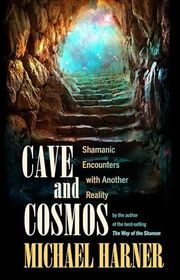
Cave and Cosmos: Shamanic Encounters with Another Reality
For readers who want to continue beyond The Way of the Shaman into Harner's later work. Accounts of spiritual journeys deepen his framework, though the experiential testimony does not independently establish the realities participants describe.
What it's about
Michael Harner explores accounts of shamanic journeys, drawing on his experiences and reports collected through the Foundation for Shamanic Studies. He discusses spiritual cosmologies and the practice of journeying within his modern core-shamanism framework.

For readers seeking a practitioner perspective rooted in Mongolian and Buryat traditions. Its attention to calling and spirit relationships gives practice a specific setting, though it assumes openness to the author's spiritual understanding.
What it's about
Sarangerel draws on Mongolian and Buryat traditions to describe recognizing a shamanic calling and developing relationships with spirit helpers. Personal experience accompanies guidance on rituals, meditation, divination, and journeys understood within these traditions as healing practices.

Hallucinogens and Shamanism
For readers comfortable with academic essays on ritual and psychoactive substances. Multiple contributors provide more analytical variety than one author's spiritual manual, though the older scholarship needs to be read alongside later ethnographic work.
What it's about
Edited by Michael J. Harner, this collection examines relationships between psychoactive substances and shamanic religious experience. Contributions address Upper Amazon traditions, including Banisteriopsis use among the Cashinahua, and explore the cultural settings surrounding ritual visions.

For readers wanting a detailed account of Upper Amazon mestizo practice. Its attention to apprenticeship, ceremony, and sorcery offers more local texture than broad introductions, though the substantial detail makes it a demanding first book.
What it's about
Stephan V. Beyer examines mestizo shamanism in the Upper Amazon, describing ayahuasca ceremonies, apprenticeship, and relationships with plant spirits. His account explores local understandings of healing, love magic, and sorcery within their cultural and ritual setting.

For readers interested in the McKenna brothers' speculative intellectual world. Its combination of psychedelic experience and symbolic systems differs from ethnographic description, though the dense argument and theories of time require considerable critical distance.
What it's about
Terence and Dennis McKenna investigate shamanism, altered consciousness, and patterns in the I Ching. Combining reflections on their experiment at La Chorrera with theories of mind and time, they propose connections between psychedelic experience and the structure of reality.

Urban Shaman
For readers who want spiritual exercises framed around ordinary life. King's emphasis on imagination and cooperation makes his system approachable, though this is an author's practice framework rather than a comprehensive account of Hawaiian traditions.
What it's about
Serge Kahili King presents his approach to Hawaiian shamanism for everyday settings. The guide discusses dreams, rituals, imagination, and spiritual practices, emphasizing cooperation and offering exercises that reflect the author's beliefs about changing oneself and one's relationships.
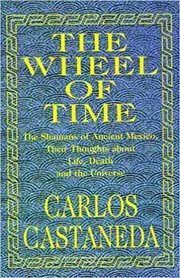
The Wheel of Time
The Shamans of Ancient Mexico, Their Thoughts About Life, Death and the Universe
For readers already interested in Castaneda's ideas who prefer short passages for reflection. The collected quotations make recurring themes accessible, though selections and commentary offer less narrative context than reading the original books.
What it's about
Castaneda gathers quotations from eight books about his training under don Juan Matus, adding an introduction and fresh commentary. The selections revisit the teachings he attributes to Mexican shamans about life, death, awareness, and time.
Also recommended by
1 person- Aubrey Marcus recommended this book
Aubrey Marcus
"[The author's] teachings and aphorisms have formed the backbone of the warrior code for myself and thousands more." - Aubrey Marcus
Aubrey Marcus's recommendation of this book

Of Water and the Spirit
Ritual, Magic and Initiation in the Life of an African Shaman
For readers who prefer personal history to instructional exercises. Somé's account connects initiation with displacement and cultural encounter, though one person's extraordinary experience cannot represent the full range of Dagara lives or beliefs.
What it's about
Malidoma Patrice Somé recounts childhood removal from his Burkina Faso village to a Jesuit school and his eventual return. His memoir describes initiation into Dagara traditions, ancestral relationships, and efforts to bridge African and Western worlds.

Spirit Hacking
Shamanic Keys to Reclaim Your Personal Power, Transform Yourself, and Light Up the World
For readers who prefer contemporary spiritual self-help to historical study. Its exercises emphasize personal agency and everyday change, though the author's energetic claims and personal framework should be approached as beliefs rather than demonstrated mechanisms.
What it's about
Shaman Durek presents spiritual exercises intended to help readers confront fear and reclaim personal agency. His approach combines shamanic concepts with contemporary self-help, framing inner change and empowerment through practices he calls spirit hacks and personal exploration.

For readers who like brief teaching stories and reflective spiritual lessons. Don Jose Ruiz offers an easier narrative entry than the academic studies here, though its personal-development emphasis provides limited historical or comparative context.
What it's about
Don Jose Ruiz shares teaching stories from his family's Toltec tradition, with a foreword by Don Miguel Ruiz. Each story introduces lessons about love, awareness, and the choices people make in shaping their lives.
Sources
- 1
Recommended Reading on Shamanism
shamanism.eu
- 2
100 Best Shamanism Books of All Time
shortform.com
- 3
Reading and Research
shamanism.dk
- 4
Shamanic Drumming: Top 10 Books on Shamanism
shamanicdrumming.blogspot.com
- 5
Best Shamanism Books
goodreads.com
- 6
Anyone have any shaman book must haves?
reddit.com
- 7
Best Books on Shamanism: 30 Essential Academic Studies of Ritual, Healing, and Indigenous Traditions
thewickedgriffin.com
- 8
The 40 Best Books About Shamanism and Plant Medicines
chacruna.net


Edited by
Software engineer whose passion for tracking book recommendations from podcasts inspired the creation of MRB.
Lead investor at 3one4 Capital whose startup expertise and love for books helped shape MRB and its growth.
Comments
Spotted a missing book, a wrong order or a mistake? Tell us and we'll fix this page.
We're a reading guide, not the author or publisher, so we can't send books or pass on messages.