
15 Best Energy Books
The best energy books, ranked by how many expert sources recommend each one, with guidance on power systems, fuel history, technology and energy policy.
Our take
Energy books explain how societies turn fuels, sunlight, water and other resources into useful heat, movement and electricity. Some begin with physical quantities. Others follow industries, inventions or the political struggles surrounding supply. Reading across those approaches helps connect an individual technology with the infrastructure and institutions that make it usable.
Sustainable Energy works through comparisons with accessible calculations, while Energy and Civilization places energy in a much longer history. The Prize and Private Empire focus on oil and power. The Grid examines the electricity network that links production with daily demand. Readers interested in changing the system can compare the business-led proposals in Reinventing Fire with the historical analysis in Energy Transitions or the solar-focused argument in Taming the Sun.
Start with Energy: A Human History if you prefer narrative, or Sustainable Energy if you want to work through the numbers. Treat older examples as foundations for understanding rather than a current market snapshot.
15 books · 8 sources · Last updated
As an Amazon Associate, we earn from qualifying purchases (at no extra cost to you).
How to choose from this list
Skip to the full rankingIf you prefer an accessible narrative: Energy
If you want quantitative comparisons: Sustainable Energy → Energy and Civilization
If you want oil history and geopolitics: The Prize → The Quest → The New Map
If you want to understand electricity networks: The Grid
If you want to compare transition arguments: Reinventing Fire → Energy Transitions
If you want a closer look at solar: Taming the Sun
The 15 books, ranked
Ranked by how many expert sources name each book. Ties go to the book more people recommend.
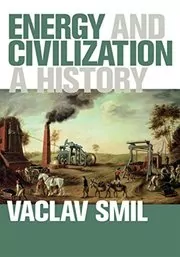
For readers who want the broad historical relationship between energy and society. Its quantitative comparisons extend far beyond modern electricity, though the dense detail makes it slower reading than a narrative focused on individual inventors or industries.
What it's about
A long-view history of how energy shaped human societies, from foragers to fossil-fueled industrial systems. Smil connects power sources to agriculture, cities, war, trade, and the structure of everyday life.
Also recommended by
1 person Bill Gates recommended this book
Bill Gates
"Goes deep and broad to explain how innovations in humans’ ability to turn energy into heat, light, and motion have been a driving force behind our cultural and economic progress over the past 10,000 years." - Bill Gates
Bill Gates's recommendation of this book
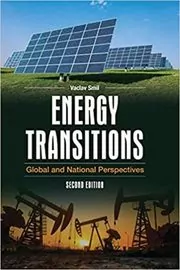
For readers who want to understand how energy systems change across decades and countries. Its historical perspective develops the question of scale more deeply than a technology survey, though it is analytical and offers few quick policy prescriptions.
What it's about
Smil uses history to show that big energy shifts take decades, not news cycles. With global and national examples, he explains why new fuels and technologies spread slowly and what true transition really requires.
Also recommended by
1 person- Bill Gates recommended this book
Bill Gates
"Explains the energy transitions that have driven social, economic and technological change worldwide over time." - Bill Gates
Bill Gates's recommendation of this book
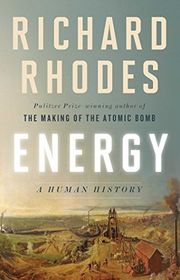
Energy: A Human History
For readers who want a narrative introduction built around people, inventions and changing fuels. Its historical storytelling is easier to enter than Smil’s denser surveys, though it offers less systematic quantitative comparison of present-day options.
What it's about
Richard Rhodes traces changes in energy use through the people and technologies that helped shape them. Moving from wood and coal toward oil, electricity and nuclear power, he connects scientific discovery, industrial development and social change.

For readers who want to understand energy through oil’s political and commercial history. Its large narrative connects companies, states and conflict in detail, though the length is substantial and it is not a guide to today’s electricity transition.
What it's about
Daniel Yergin traces the history of oil and the competition for wealth and political power surrounding it. He connects the industry's development with wars, economic upheavals, and the changing fortunes of nations.
Also recommended by
4 people- Bill Gates recommended this book
Bill Gates
List of books Bill Gates read in 2012.
Bill Gates's recommendation of this book  Patrick O'Shaughnessy recommended this book
Patrick O'Shaughnessy
"Might be the best book I’ve ever read." - Patrick O'Shaughnessy
Patrick O'Shaughnessy's recommendation of this book  Mohnish Pabrai recommended this book
Mohnish Pabrai
"One of my favorite books." - Mohnish Pabrai
Mohnish Pabrai's recommendation of this book  Trung Phan recommended this book
Trung Phan
"If you were to ask me what single business book most changed my perception of the world, it is [this one.]" - Trung Phan
Trung Phan's recommendation of this book

For readers comfortable with simple arithmetic who want energy claims expressed in comparable units. Its worked estimates make physical tradeoffs concrete, though the examples are often British and the numerical assumptions need updating for current decisions.
What it's about
David MacKay uses accessible calculations to compare energy consumption with the potential of different energy sources. Examining transport, heating, electricity, renewables, and nuclear power, he asks which combinations could support energy plans that add up.
Also recommended by
1 person- Bill Gates recommended this book
Bill Gates
"If someone wants an overall view of how energy gets used, where it comes from, and the challenges in switching to new sources, this is the book to read." - Bill Gates
Bill Gates's recommendation of this book

For readers who want to understand why electricity networks are also social and institutional systems. Its focus on the American grid adds context beyond generation technologies, though it is less useful as a technical engineering manual or global survey.
What it's about
Gretchen Bakke examines the history and workings of America's electric grid, treating it as a cultural and institutional system as well as infrastructure. She explores its limitations and the challenges of adapting electricity networks to changing energy sources and demands.
Also recommended by
1 person David Friedberg recommended this book
David Friedberg
"An interesting book about how the grid operates." - David Friedberg
David Friedberg's recommendation of this book

For readers who want to understand solar energy as more than a panel-price story. Its combination of finance, technology and system integration adds depth, though the argument is solar-centered and some market assumptions need checking against later developments.
What it's about
Varun Sivaram examines the innovations needed for solar energy to contribute more fully to a clean-energy transition. His account connects financing, new technologies, and flexible energy systems, arguing that cheaper panels alone cannot overcome every barrier to growth.
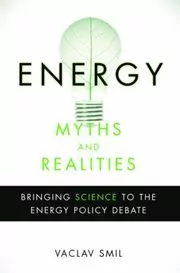
For readers who want tools for questioning sweeping claims about energy technology. Its emphasis on physical scale and infrastructure offers a useful counterweight to confident forecasts, though several examples and debates belong to an earlier period.
What it's about
Smil challenges a long list of confident claims about energy, from rapid transitions to miracle fixes. His focus is on physical limits, infrastructure, and the slow, stubborn reality of how energy systems change.
Also recommended by
1 person- Bill Gates recommended this book
Bill Gates
"Examines the various predictions that have been made in the past and are still being made about energy use." - Bill Gates
Bill Gates's recommendation of this book

For readers who want to move from oil history toward the wider modern energy system. Its broad reporting connects security, markets and new technologies, though the long narrative and publication-era forecasts require patience and historical context.
What it's about
Daniel Yergin examines the forces shaping modern energy supplies and global security. Moving from oil to competing fuels and emerging alternatives, he explores the choices countries face in meeting their future energy needs.
Also recommended by
1 person- Bill Gates recommended this book
Bill Gates
"Quite comprehensive in looking at many different kinds of energy." - Bill Gates
Bill Gates's recommendation of this book

For readers who want to follow one fuel through industrial and social change. Its human history makes coal’s benefits and costs concrete, though the narrower subject offers less coverage of the wider energy system or alternative technologies.
What it's about
Barbara Freese traces coal's role in human history, connecting its uses with industrial growth, expanding empires and social change. The account also examines the costs of mining and burning it, including pollution and its implications for the climate.

For readers interested in the relationship between a large oil company and political power. Its detailed reporting examines decisions inside an institution, though the corporate focus is narrower and more demanding than a broad introductory energy history.
What it's about
Coll investigates ExxonMobil's corporate power and its relationship with American politics and foreign policy. Following events from the Exxon Valdez disaster to the Deepwater Horizon era, he examines executives, international operations, and the company's influence in countries where it works.

For readers interested in a business-led route toward lower fossil-fuel use. Its sector-by-sector approach connects efficiency with investment and design, though it presents a particular roadmap and its scenarios reflect the assumptions of its publication period.
What it's about
Amory Lovins and the Rocky Mountain Institute outline a business-led transition away from fossil fuels. Their roadmap examines transportation, buildings, industry, and electricity, connecting efficiency and renewable energy with proposed changes in investment, design, and economic incentives.
Also recommended by
2 people- Bill Gates recommended this book
Bill Gates
List of books Bill Gates read in 2012.
Bill Gates's recommendation of this book  Ev Williams recommended this book
Ev Williams
"Offers a thoroughly researched set of options for engineering our way out of the [climate change] crisis." - Ev Williams
Ev Williams's recommendation of this book
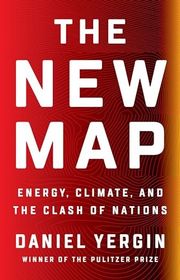
The New Map: Energy, Climate, and the Clash of Nations
For readers interested in how energy resources reshape international relationships. Its geopolitical emphasis complements the technology-focused books, though the account reflects the world around 2020 and cannot cover the conflicts and market shifts that followed.
What it's about
Daniel Yergin explores how changing energy resources and technologies influence international power. The book connects American shale production, relationships among major states, Middle Eastern politics and climate concerns with a shifting map of economic and strategic interests.

For younger readers who connect with a personal story more readily than a technical overview. This adaptation makes energy access tangible through one life, though it explains less engineering and policy than the general reference books.
What it's about
This young readers' memoir follows William Kamkwamba as drought and hunger interrupt his schooling in Malawi. Using library books and salvaged materials, he sets out to build a windmill that can bring electricity to his family's home.
Also recommended by
1 person Jack Dorsey recommended this book
Jack Dorsey
"Read [this book]!" - Jack Dorsey
Jack Dorsey's recommendation of this book

For readers who want reporting about several alternative energy technologies and the people developing them. Its historical stories make the subject approachable, though the technology and market examples reflect the period in which the book was written.
What it's about
Jeremy Shere investigates alternative energy through its history, scientific foundations, and the people developing it. His reporting explores biofuels, solar, wind, geothermal, and hydropower, connecting earlier experiments with efforts to build practical alternatives to fossil fuels.
Sources
- 1
A top-ten book list for energy history, policy and geopolitics
energy-reporters.com
- 2
100 Best Energy Books of All Time
shortform.com
- 3
Energy Books
goodreads.com
- 4
Best Books on the Energy Industry
umbrex.com
- 5
Are there any history of energy books?
reddit.com
- 6
Bill Gates Picks 4 Reads That Bring Clarity and Solutions to Energy Issues
fs.blog
- 7
Book recommendations to learn more about energy and the energy industry
reddit.com
- 8
The Best Books on Energy
fivebooks.com





Edited by
Software engineer whose passion for tracking book recommendations from podcasts inspired the creation of MRB.
Lead investor at 3one4 Capital whose startup expertise and love for books helped shape MRB and its growth.
Comments
Did we miss something? Have feedback?
Help us improve this page by sharing your thoughts