
14 Best Self Awareness Books
The best self-awareness books, ranked by how many expert sources recommend each one, with guidance on feedback, emotions, daily reflection and where to start.
Our take
Self-awareness involves noticing your thoughts, emotions and habits while also understanding how your behavior affects other people. Those two perspectives do not always agree. A useful book can give you better questions to ask yourself, a vocabulary for what you feel, or a way to seek feedback without immediately explaining it away.
Insight focuses directly on the gap between self-image and outside perception. Emotional Intelligence places awareness within a broader account of emotional skills, while The 7 Habits of Highly Effective People connects personal principles with choices and relationships. Other books take a more reflective route: The Art of Talking to Yourself examines inner conversation, and The Book of Awakening offers short daily readings. Spiritual books such as The Untethered Soul approach awareness through observation and identity rather than workplace effectiveness.
Start with Insight for a focused introduction, then choose a book that matches the pattern you want to understand and the kind of practice you will actually use.
14 books · 7 sources · Last updated
As an Amazon Associate, we earn from qualifying purchases (at no extra cost to you).
How to choose from this list
Skip to the full rankingIf you want to understand your blind spots: Insight
If you want to recognize emotional patterns: Emotional Intelligence
If you want values to guide everyday choices: The 7 Habits of Highly Effective People → Ego Is the Enemy
If you want a gentler inner conversation: The Art of Talking to Yourself → The Gifts of Imperfection
If you want daily reflection: Alchemy 365 → The Book of Awakening
If you want a spiritual approach: The Untethered Soul
The 14 books, ranked
Ranked by how many expert sources name each book. Ties go to the book more people recommend.
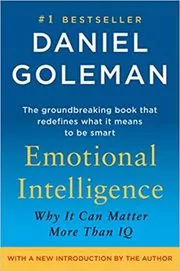
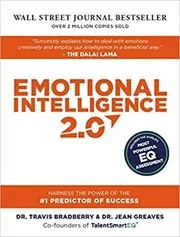
For readers who want a broad explanation of how emotions influence judgment and relationships. Its wider psychological context complements narrower reflection workbooks, though the extended discussion is more useful for understanding the subject than following a daily practice.
What it's about
Daniel Goleman explores how understanding and managing emotions affects people's lives and relationships. He broadens the discussion of intelligence beyond IQ, considering the role of emotional abilities in personal development, education, and work.
Also recommended by
4 people Drew Houston recommended this book
Drew Houston
"It’s nonfiction, but it spelled out something that I just didn’t know you could kind of break down in a logical way. And, suddenly, I had this understanding about the world that I didn’t have before." - Drew Houston
Drew Houston's recommendation of this book  Jack Kornfield recommended this book
Jack Kornfield
Jack Kornfield mentioned this book on "The Tim Ferriss Show" podcast.
Jack Kornfield's recommendation of this book  Sharon Salzberg recommended this book
Sharon Salzberg
Sharon Salzberg mentioned this book on "The Tim Ferriss Show" podcast.
Sharon Salzberg's recommendation of this book  Patrick Bet-David recommended this book
Patrick Bet-David
Patrick Bet-David recommended this book on his website.
Patrick Bet-David's recommendation of this book
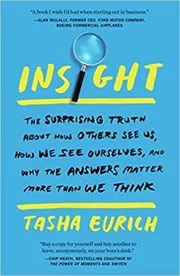
Insight
For readers who want to compare their self-image with how other people experience them. Its emphasis on blind spots and feedback gives reflection an outward dimension, though the workplace stories may feel less relevant to readers seeking spiritual exploration.
What it's about
Tasha Eurich examines how people understand themselves and how others perceive them. Research and personal stories support practical methods for discovering blind spots, seeking honest feedback, improving relationships, and developing more self-aware teams and leaders.
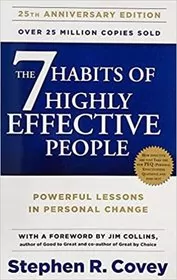
For readers who want self-reflection tied to choices, relationships and long-term priorities. Its broad framework helps connect personal values with everyday conduct, though the business-oriented examples and expansive scope make it less focused than a dedicated self-awareness workbook.
What it's about
Stephen Covey presents seven habits for personal effectiveness, connecting individual responsibility with cooperation and continual renewal. His framework emphasizes principles such as integrity, fairness, and service in approaching relationships, decisions, and goals at work and home.
Also recommended by
12 people Dave Ramsey recommended this book
Dave Ramsey
Recommended on Dave Ramsey's website.
Dave Ramsey's recommendation of this book  Daniel Pink recommended this book
Daniel Pink
Daniel Pink mentioned this book on "The Tim Ferriss Show" podcast.
Daniel Pink's recommendation of this book  Ken Block recommended this book
Ken Block
"[Also] helped me really be successful." - Ken Block
Ken Block's recommendation of this book  Dustin Moskovitz recommended this book
Dustin Moskovitz
"[I] was surprised at how familiar the topics felt." - Dustin Moskovitz
Dustin Moskovitz's recommendation of this book  Noah Kagan recommended this book
Noah Kagan
"Begin with the end in mind." - Noah Kagan
Noah Kagan's recommendation of this book  Kishore Biyani recommended this book
Kishore Biyani
"Immensely helpful and influential during my early years, it explained some of the basic mindsets required to succeed in any profession." - Kishore Biyani
Kishore Biyani's recommendation of this book +6
More recommendations
- Michael McCullough
"Helps you decide which action to actually take." - Michael McCullough
- Shay Carl
Shay Carl referenced this book on "The Tim Ferriss Show" podcast.
- Jenn Im
"Has changed my life in such a positive way." - Jenn Im
- Jim Kwik
"This personal development classic is a classic for a reason." - Jim Kwik
- Michael Hyatt
Michael Hyatt recommended this book on his website.
- Ben Greenfield
Most Recommended Books reached out to Ben Greenfield directly.
- Michael McCullough
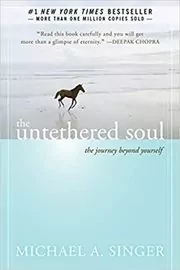
For readers drawn to a contemplative approach to thoughts and identity. Its emphasis on observing the inner voice offers an alternative to performance frameworks, though the spiritual assumptions and abstract language may not suit readers seeking behavioral exercises.
What it's about
Michael Singer explores how people relate to their thoughts, emotions, and sense of self. Drawing on meditation and mindfulness traditions, he offers reflections on releasing habitual reactions and approaching life with greater awareness and inner freedom.
Also recommended by
8 people Naval Ravikant recommended this book
Naval Ravikant
Naval Ravikant tweeted about this book.
Naval Ravikant's recommendation of this book  Ryan Hoover recommended this book
Ryan Hoover
"A useful read for those suffering with anxiety." - Ryan Hoover
Ryan Hoover's recommendation of this book  Daniel Gross recommended this book
Daniel Gross
"Does a nice job of repackaging Eastern philosophy concepts in words that appeal to the hyperational Westerner mindset." - Daniel Gross
Daniel Gross's recommendation of this book  Deepak Chopra recommended this book
Deepak Chopra
"Read this book carefully, and you will get more than a glimpse of eternity." - Deepak Chopra
Deepak Chopra's recommendation of this book  Oprah Winfrey recommended this book
Oprah Winfrey
"One of my new favorite books." - Oprah Winfrey
Oprah Winfrey's recommendation of this book  Russell Brand recommended this book
Russell Brand
"It was impactful." - Russell Brand
Russell Brand's recommendation of this book +2
More recommendations
- Tony Robbins
"An incredible book." - Tony Robbins
- Danny Miranda
"An incredible read on spirituality. No amount of notes could do this one justice." - Danny Miranda
- Tony Robbins
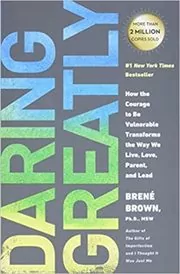
For readers who notice fear of judgment shaping their relationships or ambitions. Its focus on vulnerability connects self-understanding with participation and openness, though the personal stories and broad advice provide less step-by-step structure than a workbook.
What it's about
Drawing on years of research, this book reframes vulnerability as courage rather than weakness, exploring how shame and scarcity hold us back and offering practical ways to dare greatly in love, parenting, work, and leadership.
Also recommended by
5 people Matt Mullenweg recommended this book
Matt Mullenweg
"[Be] willing to show your own weaknesses and emotions and be vulnerable. I think [this book] talks about this really well." - Matt Mullenweg
Matt Mullenweg's recommendation of this book  Chase Jarvis recommended this book
Chase Jarvis
Chase Jarvis mentioned this book on "The Tim Ferriss Show" podcast.
Chase Jarvis's recommendation of this book  Melinda Gates recommended this book
Melinda Gates
Melinda Gates recommended this book on Likewise.com.
Melinda Gates's recommendation of this book  Sophia Bush recommended this book
Sophia Bush
"It's an amazing book, and will educate you about expectation, happiness, & vulnerability." - Sophia Bush
Sophia Bush's recommendation of this book  Tom Bilyeu recommended this book
Tom Bilyeu
Tom Bilyeu recommended this book on his website.
Tom Bilyeu's recommendation of this book
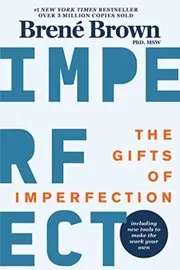
The Gifts of Imperfection
Let Go of Who You Think You're Supposed to Be and Embrace Who You Are
For readers whose self-reflection quickly becomes a demand to be perfect. Its approachable guideposts focus on self-acceptance and connection, though the reassuring tone and broad themes may feel repetitive to readers seeking more detailed analysis.
What it's about
Brown invites readers into wholehearted living by letting go of who we think we should be. Through ten guideposts she shows how courage, compassion, and connection grow when we release perfectionism, comparison, and numbing and embrace our imperfect selves.
Also recommended by
1 person- Melinda Gates recommended this book
Melinda Gates
Melinda Gates recommended this book on Likewise.com.
Melinda Gates's recommendation of this book
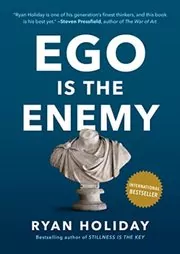
Ego Is the Enemy
For readers who want to notice defensiveness and self-importance around ambition or setbacks. Its historical examples make humility concrete, though the short lessons offer less systematic help with emotional vocabulary or gathering feedback from other people.
What it's about
A warning against the dangers of ego at every stage of life. Whether you are aspiring to success, floating on top of the world, or recovering from failure, this book uses historical examples to show why humility is the key to endurance.
Also recommended by
5 people Aubrey Marcus recommended this book
Aubrey Marcus
"Filled with unforgettable stories and moments in history that will serve as guide rails to help us when we invariably fall off course." - Aubrey Marcus
Aubrey Marcus's recommendation of this book  George Raveling recommended this book
George Raveling
"[One of] the books that I’ve given away the most lately." - George Raveling
George Raveling's recommendation of this book  Peter Thiel recommended this book
Peter Thiel
Peter Thiel quoted this book to the author.
Peter Thiel's recommendation of this book  Mark Manson recommended this book
Mark Manson
"Takes an age-old message, a message you see bandied about in a million self-help books about the ego, but gives it a serious philosophical treatment and grounds it with countless historical examples." - Mark Manson
Mark Manson's recommendation of this book  Danny Miranda recommended this book
Danny Miranda
"Helpful reading for anyone wanting to achieve greatnes." - Danny Miranda
Danny Miranda's recommendation of this book
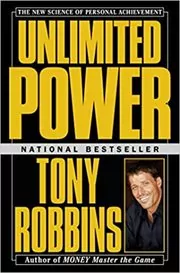
For readers who respond to an energetic approach to goals and communication. Its action-oriented exercises differ from the quieter reflection books, though the sweeping promises call for skepticism and may overwhelm readers who prefer a measured pace.
What it's about
Tony Robbins presents techniques aimed at changing beliefs, clarifying goals, and improving personal performance. His self-help guide explores communication, confidence, motivation, and emotional habits, arguing that patterns of thought can influence achievement and relationships.
Also recommended by
2 people Dominic D'Agostino recommended this book
Dominic D'Agostino
"I liked it so much, I bought it and I gave it to all my lifting buddies." - Dominic D'Agostino
Dominic D'Agostino's recommendation of this book  Gary Keller recommended this book
Gary Keller
Gary Keller recommended this book on YouTube.
Gary Keller's recommendation of this book
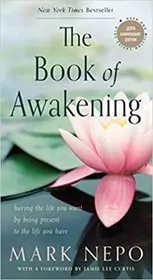
For readers who want reflection woven into a few minutes of daily reading. Its blend of personal stories and contemplative exercises offers a gentler pace than productivity frameworks, though the spiritual tone provides little structured feedback about blind spots.
What it's about
Mark Nepo offers daily reflections on presence, friendship and the experience of being alive. Drawing on personal stories and diverse spiritual traditions, the entries explore pain, wonder and love, each accompanied by an exercise for further reflection.
Also recommended by
1 person- Melinda Gates recommended this book
Melinda Gates
Melinda Gates recommended this book on Likewise.com.
Melinda Gates's recommendation of this book
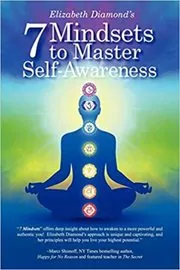
7 Mindsets to Master Self-Awareness
For readers comfortable exploring personal change through a spiritual model. Its chakra-based organization provides a distinctive structure for reflection, though that framework will be less useful to readers looking for psychological research or workplace feedback methods.
What it's about
Elizabeth Diamond presents seven positive mindsets through a spiritual framework based on the chakra system. Practices, exercises, and reflection questions invite readers to examine thoughts and feelings, explore inner guidance, and cultivate personal change.
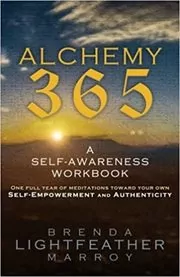
For readers who prefer a small daily reflection to a long explanatory chapter. Its year of themed prompts gives contemplation a regular structure, though the spiritual language and personal perspective will not suit readers seeking a research-focused introduction.
What it's about
Brenda Lightfeather Marroy uses daily readings and exercises to explore beliefs, identity, and purpose. Monthly themes include presence, stillness, relationships, and self-discovery, drawing on her spiritual perspective and personal experience of change.
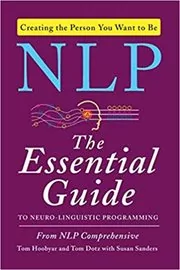
For readers curious about NLP’s approach to communication and personal change. Its exercises make the proposed techniques concrete, though the framework’s broad claims deserve scrutiny and should not be confused with established psychological findings.
What it's about
This introduction to neuro-linguistic programming presents the authors' techniques for self-awareness, personal change, and communication. Stories, exercises, and models explore thinking patterns, managing the mind, and understanding and influencing interactions with other people.
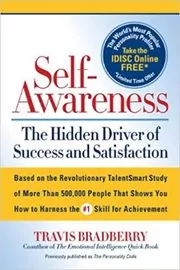
For readers interested in recognizing behavioral tendencies at work and in teams. Its personality framework makes differences easy to discuss, though fixed categories can oversimplify people and should be treated as prompts rather than complete explanations of behavior.
What it's about
Travis Bradberry uses the IDISC personality framework to explore behavioral types and their strengths and pitfalls. He explains how understanding personal tendencies and recognizing those of others can inform collaboration, communication, and the way teams work.
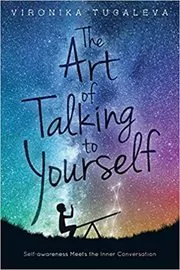
For readers who find self-improvement advice turning into another reason for self-criticism. Its attention to listening and inner conversation encourages curiosity, though the open-ended approach provides less external structure than a workbook or feedback-based program.
What it's about
Vironika Tugaleva explores inner conversation as a path toward self-awareness and self-trust. The book encourages curious listening, examining habitual judgments, and understanding one's relationship with thoughts rather than pursuing an idealized version of oneself.
Sources
- 1
7 Best Self-Awareness Books to Improve All Areas of Your Life
insideoutmastery.com
- 2
10 Best Self-Awareness Books for Increasing Reflection
positivepsychology.com
- 3
Best Books on Self-Awareness (Organized by What You Need)
themeaningmovement.com
- 4
Self Awareness Books
goodreads.com
- 5
Best Books for Self-Awareness
hourlife.com
- 6
What are Some good books in self awareness that you have read?
reddit.com
- 7
The best self-growth books, and who each one is for
selfgrowth.org
Edited by
Software engineer whose passion for tracking book recommendations from podcasts inspired the creation of MRB.
Lead investor at 3one4 Capital whose startup expertise and love for books helped shape MRB and its growth.
Comments
Did we miss something? Have feedback?
Help us improve this page by sharing your thoughts