
20 Best Dinosaur Books
The best dinosaur books, ranked by how many expert sources recommend each one, with notes for children, adult beginners, paleoart fans, and serious enthusiasts.
Our take
Dinosaur books serve readers at very different stages. A rhyming bedtime story can introduce the creatures through play, while an illustrated reference explains the evidence behind their appearance and behavior. Adult science writing adds fieldwork, evolutionary history, and the methods used to reconstruct life from fossils. More technical volumes assume a familiarity with biology and scientific terminology.
How Do Dinosaurs Say Goodnight? suits shared storytime, while Boy, Were We Wrong About Dinosaurs! introduces changing scientific ideas. Holtz’s Dinosaurs offers more substantial illustrated reading. For adults, The Rise and Fall of the Dinosaurs provides a connected history and Dinosaurs Rediscovered emphasizes research tools and discoveries. Dinosaurs Without Bones examines traces of activity, while Dinosaur Art and All Yesterdays explore different approaches to visual reconstruction.
Start with the audience and format that fit, then choose a particular question about dinosaur life. Check the edition when using a reference, since new discoveries can change classifications and interpretations.
20 books · 9 sources · Last updated
As an Amazon Associate, we earn from qualifying purchases (at no extra cost to you).
How to choose from this list
Skip to the full rankingIf you want shared reading with young children: How Do Dinosaurs Say Goodnight? → Encyclopedia Prehistorica Dinosaurs
If you want science for curious older children: Boy, Were We Wrong About Dinosaurs! → Dinosaurs
If you want an adult introduction: The Rise and Fall of the Dinosaurs → Dinosaurs Rediscovered
If you want to understand research methods: Dinosaurs Without Bones → Dinosaur Paleobiology
If you want to explore paleoart: Dinosaur Art → All Yesterdays
If you want detailed reference works: The Princeton Field Guide to Dinosaurs → The Complete Dinosaur → The Dinosauria
The 20 books, ranked
Ranked by how many expert sources name each book. Ties go to the book more people recommend.
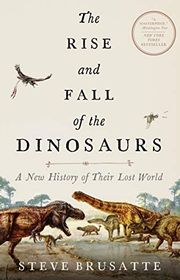
The Rise and Fall of the Dinosaurs
For adult readers who want dinosaur history told as a connected scientific narrative. Field experiences and discoveries give the long timescale a human perspective, though it offers less species-by-species detail than an illustrated catalogue.
What it's about
Brusatte traces the evolution of dinosaurs from their early appearance through their dominance and the end-Cretaceous extinction. Discoveries, scientific explanations, and experiences from paleontological work connect the animals’ changing world with the research used to reconstruct it.

Dinosaurs
The Most Complete, Up-to-Date Encyclopedia for Dinosaur Lovers of All Ages
For older children and families ready for a substantial illustrated reference. Its explanations connect dinosaur diversity with the evidence behind reconstructions, though the dense text suits confident readers and later discoveries need newer reading alongside it.
What it's about
Thomas Holtz introduces dinosaur science through accessible explanations and illustrations by Luis Rey. The encyclopedia explores how researchers reconstruct dinosaurs' appearance, lives, and evolution, including the evidence connecting these prehistoric animals with modern birds.
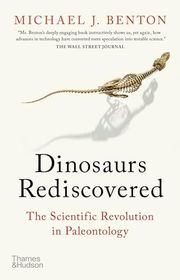
Dinosaurs Rediscovered
For readers interested in how new tools change what paleontologists can investigate. Its focus on methods gives familiar animals a different context, though some technical discussion requires more attention than a simple illustrated introduction.
What it's about
Benton examines how fossil discoveries and developing technologies have changed dinosaur research. The book considers questions about appearance, movement, growth, and behavior, explaining how researchers use new evidence and analytical methods to investigate animals known largely through fossils.
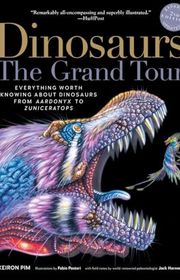
Dinosaurs: The Grand Tour
For readers who enjoy browsing many dinosaur species through compact illustrated entries. Its broad selection makes unfamiliar names easier to encounter, though the catalogue structure gives less space to explaining research methods or following a single historical argument.
What it's about
Pim introduces hundreds of dinosaurs through illustrated accounts of their anatomy, discovery, and distinguishing features. The expanded edition includes additional species and contributions from paleontologist Jack Horner, creating a broad reference for readers exploring dinosaur diversity.
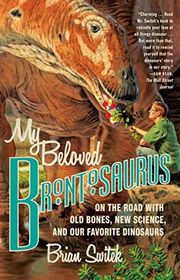
My Beloved Brontosaurus
For readers who want dinosaur science connected with childhood fascination and travel. Its personal voice makes field sites and museum collections approachable, though the memoir-like structure is less systematic than a general reference.
What it's about
Black revisits a childhood fascination with dinosaurs while traveling to fossil sites and museum collections. Personal memories and conversations about research explore how scientific interpretations change the familiar images through which people first encounter these prehistoric animals.

The Complete Dinosaur
For serious enthusiasts who want specialist chapters on dinosaur biology and the methods behind it. Its breadth supports deeper reference use, though the technical discussion and research published since the edition make it a demanding first introduction.
What it's about
Experts examine dinosaur biology and the evidence used to reconstruct it, addressing growth, movement, feeding, reproduction, and relationships among species. This illustrated reference also explores scientific disagreements about physiology, intelligence, evolution, and extinction.
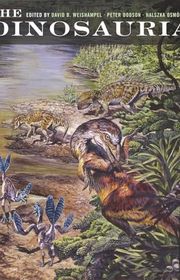
The Dinosauria
For readers with biological background who want a scholarly reference to dinosaur groups and relationships. Its specialist chapters support close anatomical and evolutionary study, though the technical density and older edition require familiarity with the field and later research.
What it's about
This edited reference gathers specialist accounts of dinosaur anatomy, classification, evolution, distribution, and biology. Detailed descriptions, scientific illustrations, and relationship diagrams support research-oriented study of major groups and the evidence used to understand their place in evolutionary history.
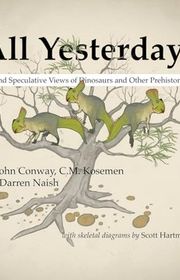
All Yesterdays
For readers interested in the assumptions behind images of prehistoric animals. Its speculative artwork challenges familiar poses and behavior, though the point is to explore plausible possibilities rather than provide a catalogue of established reconstructions.
What it's about
Conway, Kosemen, and Naish examine how prehistoric animals are reconstructed in art. Illustrations and commentary question habitual depictions of bodies and behavior, separating what fossils constrain from possibilities that artists can explore through informed speculation.

Boy, Were We Wrong About Dinosaurs!
For children curious about how scientists change their minds. Its comparisons make the revision of ideas approachable, though individual examples reflect the book’s publication period and work best as an introduction to an evolving science.
What it's about
Kathleen Kudlinski shows young readers how ideas about dinosaurs have changed as new evidence has emerged. Illustrated examples contrast earlier beliefs with later discoveries, explaining how scientists develop, test, and revise theories about prehistoric animals.

Digging Dinosaurs
For readers who want field discovery described through the people making it. Its focus on nesting grounds connects excavation with changing interpretations of dinosaur life, though the historical account reflects an earlier stage of an evolving field.
What it's about
Horner and Gorman recount the discovery and investigation of dinosaur nesting grounds and young dinosaurs. Their account connects fieldwork, fossil evidence, and developing interpretations, showing how particular finds led researchers to reconsider questions about dinosaur growth and reproduction.
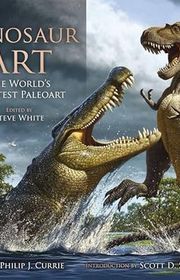
Dinosaur Art
For readers who want to compare how different artists reconstruct prehistoric worlds. Its images and discussions of working methods suit visual exploration, though it is an art collection rather than a comprehensive guide to dinosaur biology.
What it's about
White brings together work by ten paleoartists alongside discussions of their methods and styles. The collection explores how scientific evidence and visual choices combine in reconstructions of ancient animals and environments, offering several approaches to depicting prehistoric life.
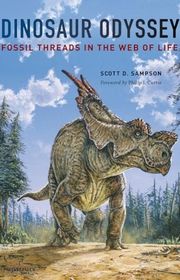
Dinosaur Odyssey
For readers who want dinosaurs understood within ecosystems rather than as isolated spectacular species. Its connections among ecology, evolution, and fieldwork give the subject breadth, though the wider environmental discussion offers fewer compact identification-style entries.
What it's about
Sampson places dinosaurs within the ecological and evolutionary relationships of their world. Field anecdotes and scientific explanations connect their origins, diversity, and extinction with other organisms and environmental changes, presenting dinosaur history as part of a larger web of life.
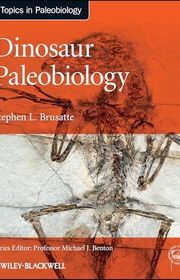
Dinosaur Paleobiology
For students and committed enthusiasts who want the evidence and analytical methods behind dinosaur science. Its technical overview connects anatomy with evolution and function, though biological terminology and research published after the edition make background reading useful.
What it's about
Brusatte reviews dinosaur anatomy, evolutionary relationships, and the study of dinosaurs as living animals. The text emphasizes fossil evidence and the methods used to investigate function and evolution, bringing scientific illustrations and research questions into a technical overview.
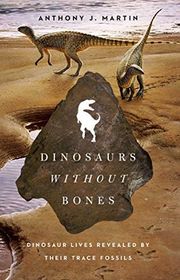
Dinosaurs Without Bones
For readers curious about what tracks, nests, and other traces can reveal beyond skeletons. Its detective-like approach shifts attention toward behavior and environments, though interpreting indirect evidence involves uncertainty rather than the certainty of watching living animals.
What it's about
Martin introduces the study of dinosaur trace fossils, including footprints, nests, burrows, and tooth marks. Examples show how researchers interpret evidence of activity and interaction, using marks in rock to investigate behavior not preserved directly in bones.

Dinosaurs: How They Lived and Evolved
For readers who want an illustrated overview linking dinosaur groups with anatomy, ecology, and evolution. Its balanced coverage bridges casual browsing and more detailed study, though subsequent discoveries mean the linked edition is not the final word.
What it's about
Naish and Barrett survey dinosaur evolution, anatomy, biology, and behavior across the major groups. Illustrations and explanations connect fossil evidence with scientific reconstructions, including the relationship between extinct dinosaurs and the birds that continue the lineage today.

For readers of different ages who enjoy paper engineering as much as prehistoric animals. Its elaborate pop-ups make browsing a shared visual experience, though the delicate mechanisms need more careful handling than a conventional picture or board book.
What it's about
Robert Sabuda and Matthew Reinhart introduce dinosaurs through large pop-ups, smaller paper constructions, and illustrated text. The book explores familiar and lesser-known creatures while including facts and anecdotes about the history of paleontology.

How Do Dinosaurs Say Goodnight?
For young children who enjoy oversized creatures acting out familiar bedtime behavior. Its rhyme and comic contrast invite shared reading, though it uses dinosaurs as story characters rather than teaching their prehistoric biology.
What it's about
Dinosaurs face bedtime with human parents who must manage familiar childhood resistance. This rhyming picture book uses oversized prehistoric children to explore nighttime behavior, mixing comic possibilities with the routines and affection that help a household settle down to sleep.

The Last Days of the Dinosaurs
For readers who want extinction examined through a closely imagined sequence of environmental changes. Its attention to survivors and aftermath widens the focus beyond the impact, though reconstructed scenes necessarily combine evidence with informed interpretation.
What it's about
Black follows the asteroid impact at the end of the Cretaceous and the disruptions that followed over different timescales. Scenes of prehistoric life connect losses, survival, and ecological change with the emergence of the world that came afterward.
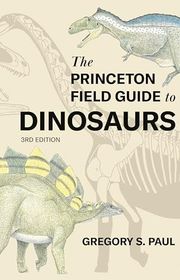
The Princeton Field Guide to Dinosaurs
For visually oriented enthusiasts who want detailed species accounts and skeletal reconstructions. Its field-guide organization supports comparison across groups, though the catalogue format provides less continuous explanation than a narrative introduction and reflects one author’s approach.
What it's about
Paul combines illustrated species accounts with an introduction to dinosaur biology and evolution. Skeletal drawings, life reconstructions, and descriptions present the major groups in a reference format, with the third edition expanding and revising the material.
The Tyrannosaur Chronicles
For readers who want one dinosaur family examined beyond its most famous member. Its biological focus replaces a parade of size records with questions about evolution and life, though the narrow subject gives less coverage of other dinosaur groups.
What it's about
Hone traces tyrannosaur evolution and examines the research used to understand their biology. The book moves beyond Tyrannosaurus rex to consider the group’s diversity, growth, feeding, behavior, and changing place within the ecosystems it inhabited over time.
Sources
- 1
Dinosaurs and Paleontology: A Resource Guide: General Titles
guides.loc.gov
- 2
Dinosaurs Books
goodreads.com
- 3
Favorite dinosaur books?
reddit.com
- 4
What books do you recommend I read about dinosaurs?
reddit.com
- 5
10 Terrific Dinosaur Books for Adults
bookriot.com
- 6
The Best Non-fiction Dinosaur Books
goodreads.com
- 7
A Dinosaur Reading List for Everyone
nationalgeographic.com
- 8
The Best Dinosaur Books for Kids
smithsonianmag.com
- 9
Dinosaur Books
fivebooks.com











Edited by
Software engineer whose passion for tracking book recommendations from podcasts inspired the creation of MRB.
Lead investor at 3one4 Capital whose startup expertise and love for books helped shape MRB and its growth.
Comments
Spotted a missing book, a wrong order or a mistake? Tell us and we'll fix this page.
We're a reading guide, not the author or publisher, so we can't send books or pass on messages.