
8 Best Breakup Books
The best breakup books, ranked by how many expert sources recommend each, with notes on who they suit, from practical recovery guides to memoirs and reflection.
Our take
A breakup can leave you wanting practical guidance one day and a sense of company the next. These books offer both, through recovery exercises, memoirs, advice columns, and contemplative writing. Some focus directly on the end of a romantic relationship. Others address wider experiences of loss and change that may feel familiar after a separation. The most useful choice depends partly on how much emotional space you have for reading.
Getting Past Your Breakup and The Breakup Bible provide more structure for reflection. It's Called a Breakup Because It's Broken takes a blunt, humorous approach, while When Things Fall Apart and The Wisdom of a Broken Heart invite a slower, meditation-oriented response. Tiny Beautiful Things offers candid advice across many kinds of pain, and the memoirs give you another person's experience to consider. Start with a practical guide if you want exercises, or a short reflective chapter if a sustained account feels too demanding.
8 books · 8 sources · Last updated
As an Amazon Associate, we earn from qualifying purchases (at no extra cost to you).
How to choose from this list
Skip to the full rankingIf you want structured exercises: Getting Past Your Breakup → The Breakup Bible
If you prefer blunt humor: It's Called a Breakup Because It's Broken
If you want a contemplative approach: When Things Fall Apart → The Wisdom of a Broken Heart
If you want candid advice in short pieces: Tiny Beautiful Things
If you prefer another person's experience: Maybe You Should Talk to Someone → The Rules Do Not Apply
The 8 books, ranked
Ranked by how many expert sources name each book. Ties go to the book more people recommend.
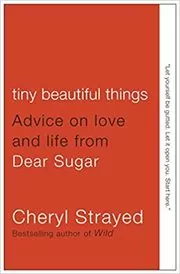
For readers who find comfort in candid responses to other people's difficulties. Strayed combines compassion with directness more personally than a workbook, though the collection ranges far beyond breakups and does not follow a recovery sequence.
What it's about
Cheryl Strayed gathers advice columns written under her Dear Sugar persona, responding to readers' questions about love and life. The collection combines personal reflection with direct guidance, exploring the difficulties, choices, and relationships that shape everyday experience.
Also recommended by
5 people Emma Watson recommended this book
Emma Watson
"I have devoured [this book]." - Emma Watson
Emma Watson's recommendation of this book  Ryan Holiday recommended this book
Ryan Holiday
"Contains some of the most cogent insights on life, pain, loss, love, success, youth that I have ever seen." - Ryan Holiday
Ryan Holiday's recommendation of this book  Kathryn Minshew recommended this book
Kathryn Minshew
Most Recommended Books reached out to Kathryn Minshew directly.
Kathryn Minshew's recommendation of this book  Shane Parrish recommended this book
Shane Parrish
"Ran me through the range of emotions from happy to crying." - Shane Parrish
Shane Parrish's recommendation of this book  Mark Manson recommended this book
Mark Manson
"Drags the reader back through the mud she lived through, reminding them that they are not alone and that yes, they will be all right." - Mark Manson
Mark Manson's recommendation of this book
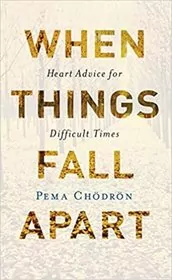
For readers who want a contemplative way to sit with uncertainty and pain. Chödrön's short Buddhist teachings offer a gentler pace than a recovery plan, though the spiritual framework and indirect approach won't suit everyone.
What it's about
Pema Chödrön draws on Buddhist wisdom to explore living with fear, anxiety, and pain. She suggests approaching difficult experience with openness, offering practices aimed at changing habitual responses to suffering and developing compassion for oneself and others.
Also recommended by
5 people Krista Tippett recommended this book
Krista Tippett
"Kind of a sacred text that I carry around with me at all times because things are always falling apart." - Krista Tippett
Krista Tippett's recommendation of this book  Tara Brach recommended this book
Tara Brach
"Wonderful." - Tara Brach
Tara Brach's recommendation of this book  Jerry Colonna recommended this book
Jerry Colonna
"The first laying out of Buddhist dharma as a path." - Jerry Colonna
Jerry Colonna's recommendation of this book  Liz Lambert recommended this book
Liz Lambert
"Has been important to me, and I’ve given to people in my life because it had an impact on me." - Liz Lambert
Liz Lambert's recommendation of this book  Matt Haig recommended this book
Matt Haig
"A gift for anyone going through a rocky tim." - Matt Haig
Matt Haig's recommendation of this book
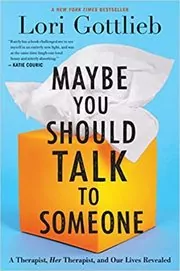
For readers who want company through change rather than a set of instructions. Gottlieb's stories make emotional confusion recognizable from several perspectives, though the memoir ranges across therapy and loss well beyond romantic separation.
What it's about
Therapist Lori Gottlieb seeks therapy after a personal crisis while continuing to treat her own patients. Their intertwined stories explore grief, relationships, mortality, and the narratives people use to understand themselves and resist or embrace change.
Also recommended by
4 people Andrew Wilkinson recommended this book
Andrew Wilkinson
Andrew Wilkinson recommended this book on Twitter.
Andrew Wilkinson's recommendation of this book  Arianna Huffington recommended this book
Arianna Huffington
"Funny, hopeful, wise, and engrossing—all at the same time." - Arianna Huffington
Arianna Huffington's recommendation of this book  Katie Couric recommended this book
Katie Couric
"Some people are great writers, and other people are great therapists. [This author] is, astoundingly, both." - Katie Couric
Katie Couric's recommendation of this book  Susan Cain recommended this book
Susan Cain
"If you have even an ounce of interest in the therapeutic process, or in the conundrum of being human, you must read this book." - Susan Cain
Susan Cain's recommendation of this book
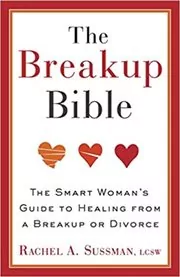
For women who want a practical framework after a breakup or divorce. Sussman's phased approach gives recovery more structure than the memoirs here, though its audience and relationship assumptions are narrower than those of a general guide.
What it's about
Rachel Sussman offers women a framework for recovering from a breakup or divorce through healing, understanding, and rebuilding. Personal accounts and practical exercises address emotional upheaval, support networks, children, letting go, and the possibility of dating again.
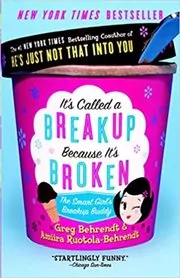
For readers who respond to humor and blunt encouragement after a separation. Its direct voice offers a different kind of company from the contemplative books, though the gendered framing and tough-love tone can feel limiting.
What it's about
Greg Behrendt and Amiira Ruotola-Behrendt combine humor and practical advice for recovering from a breakup. They address contacting an ex, coping with painful emotions, and rebuilding daily life, encouraging readers to accept the relationship's end and move forward.
Also recommended by
1 person Dita Von Teese recommended this book
Dita Von Teese
"I often give [this book] to friends going through a tough breakup. It’s a humorous, clever book with great advice on how to maintain one’s dignity during a split." - Dita Von Teese
Dita Von Teese's recommendation of this book
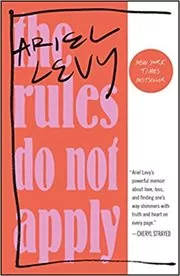
For readers who prefer a personal account of rebuilding after loss. Levy confronts uncertainty more directly than a reassuring advice book, though its grief and painful experiences make it an emotionally demanding choice.
What it's about
Ariel Levy recalls pursuing a life of travel, writing, and personal freedom before devastating loss unsettles her confidence in controlling the future. Her memoir examines ambition, love, gender expectations, and the painful work of rebuilding a life after heartbreak.
Also recommended by
1 person Sarah Jessica Parker recommended this book
Sarah Jessica Parker
Sarah Jessica Parker shared this book on Instagram.
Sarah Jessica Parker's recommendation of this book
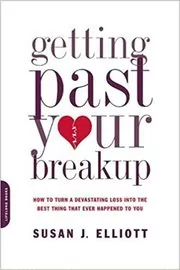
Getting Past Your Breakup
How to Turn a Devastating Loss into the Best Thing That Ever Happened to You
For readers who want exercises and a structured way to examine a relationship's end. Elliott gives practical reflection more space than the memoirs, though the assignments and boundaries-focused approach ask for sustained effort rather than passive reading.
What it's about
Susan Elliott presents a practical approach to recovering after the end of a romantic relationship. Stories and strategies address disengaging from an ex, rebuilding confidence, processing loss, and redirecting attention toward a healthier independent life and future relationships.
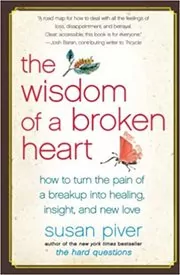
For readers drawn to meditation who want to understand heartbreak without rushing past it. Piver's focus on staying with emotional experience differs from a task-based plan, though the Buddhist perspective may feel unfamiliar or too reflective.
What it's about
Susan Piver explores heartbreak as a difficult experience that can also reveal insight and compassion. Drawing on spiritual traditions and meditation, she offers guidance for working with emotional pain and discovering possibilities for healing and personal growth.
Sources
- 1
5 Books to Read If You're Going Through a Breakup
byrdie.com
- 2
22 Books About Breakups
popsugar.com
- 3
15 Best Books to Read After a Breakup
choosingtherapy.com
- 4
Break up Recs
reddit.com
- 5
Suggest me a book that got you through a breakup. Name one and I'll suggest one back.
reddit.com
- 6
16 Books To Read During A Breakup
buzzfeednews.com
- 7
6 best books to read after a breakup
thebreakupbook.com
- 8
Books to Help You Through Divorce
penguinrandomhouse.com

Edited by
Software engineer whose passion for tracking book recommendations from podcasts inspired the creation of MRB.
Lead investor at 3one4 Capital whose startup expertise and love for books helped shape MRB and its growth.
Comments
Spotted a missing book, a wrong order or a mistake? Tell us and we'll fix this page.
We're a reading guide, not the author or publisher, so we can't send books or pass on messages.