
16 Best Relationship Books
The best relationship books, ranked by how many expert sources recommend each, with notes on communication, intimacy, dating, and who each book suits best.
Our take
Relationship books can help put words to recurring disagreements, different needs for closeness, or subjects a couple keeps postponing. Their approaches vary: some offer exercises to practice together, others explain a psychological framework, and some reflect on dating, marriage, or faith. A useful starting point depends on the question you want to explore and whether you are reading alone or with a partner.
The Seven Principles for Making Marriage Work and Eight Dates give couples structured activities and conversations. Hold Me Tight focuses on emotional connection beneath repeated conflict, while Difficult Conversations addresses the discussions people tend to avoid. Attached offers a vocabulary for patterns of closeness and distance; Mating in Captivity examines the relationship between security and desire. Committed provides personal reflection, and Sacred Marriage takes an explicitly Christian perspective. Use simple frameworks as prompts for understanding rather than fixed labels. Start with the book closest to your immediate concern, then work through one useful conversation or exercise at a time.
16 books · 9 sources · Last updated
As an Amazon Associate, we earn from qualifying purchases (at no extra cost to you).
How to choose from this list
Skip to the full rankingIf you want practical work to do together: The Seven Principles for Making Marriage Work → Eight Dates
If the same argument keeps returning: Hold Me Tight
If you avoid important discussions: Difficult Conversations
If you want to understand closeness and distance: Attached
If you want to explore desire in a long relationship: Mating in Captivity
If you want a Christian view of marriage: Sacred Marriage
The 16 books, ranked
Ranked by how many expert sources name each book. Ties go to the book more people recommend.
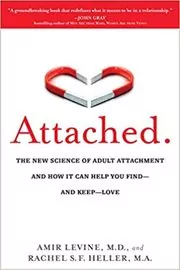
Attached
The New Science of Adult Attachment and How It Can Help You Find - and Keep - Love
For readers trying to make sense of closeness, reassurance, and withdrawal in dating or partnerships. Its attachment vocabulary helps identify patterns, though the broad categories can become limiting if used to label people or predict every response.
What it's about
Amir Levine and Rachel Heller explain adult attachment through anxious, avoidant, and secure relationship patterns. Exercises and examples help readers examine their own behavior and their partners' responses, with guidance for communication and building stronger connections.
Also recommended by
1 person Kathryn Minshew recommended this book
Kathryn Minshew
Most Recommended Books reached out to Kathryn Minshew directly.
Kathryn Minshew's recommendation of this book
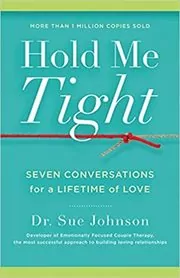
For couples who keep repeating an argument without reaching the feelings underneath it. Its attention to emotional disconnection provides a focused alternative to debate tactics, though the vulnerable conversations take time and willingness from both partners.
What it's about
Sue Johnson introduces seven conversations intended to strengthen a couple’s emotional bond. Drawing on emotionally focused therapy, she explores recurring conflict, vulnerable feelings, and the need for connection through examples, explanations, and exercises for partners.
Also recommended by
1 person Mark Manson recommended this book
Mark Manson
"[The author] realized that romantic relationships were largely driven by unconscious emotions and desires." - Mark Manson
Mark Manson's recommendation of this book
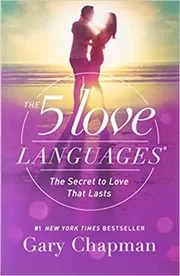
For couples who want a simple way to discuss how they express and notice affection. The memorable categories make conversation approachable, though treating them as fixed types can oversimplify needs that vary with context and change over time.
What it's about
Gary Chapman proposes five ways people express and receive love: affirming words, time together, gifts, acts of service, and physical touch. Counseling examples illustrate his approach to understanding differences between partners and communicating affection.
Also recommended by
4 people Dustin Moskovitz recommended this book
Dustin Moskovitz
Dustin Moskovitz recommended this book on Twitter.
Dustin Moskovitz's recommendation of this book - Mark Manson recommended this book
Mark Manson
"Like the Harry Potter of relationship books." - Mark Manson
Mark Manson's recommendation of this book  Jay Shetty recommended this book
Jay Shetty
"Learn more about love languages in [this book]." - Jay Shetty
Jay Shetty's recommendation of this book  Patrick Bet-David recommended this book
Patrick Bet-David
Patrick Bet-David recommended this book on his website.
Patrick Bet-David's recommendation of this book
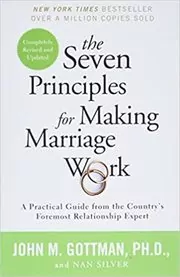
The Seven Principles for Making Marriage Work
A Practical Guide from the Country's Foremost Relationship Expert
For couples who want practical exercises that connect everyday friendship with handling disagreements. Its structured approach gives shared work a clear starting point, though the marriage-centered examples and volume of exercises require sustained participation rather than passive reading.
What it's about
John Gottman and Nan Silver explain principles drawn from research on couples, emphasizing friendship, understanding, and constructive responses to conflict. This revised edition includes exercises for strengthening connection and working through recurring problems in marriage.
Also recommended by
1 person- Mark Manson recommended this book
Mark Manson
"Set off into territories unknown and brought quantifiable metrics and scientific rigor to an exotic academic subject: relationships." - Mark Manson
Mark Manson's recommendation of this book
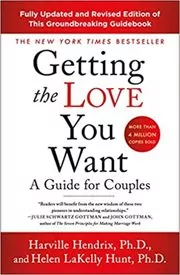
For couples willing to examine how earlier experiences shape repeated patterns between them. Its guided dialogue and exercises provide structure, though the childhood-centered interpretation will not explain every relationship and asks both partners to engage.
What it's about
Harville Hendrix and Helen LaKelly Hunt explain their Imago approach to intimate relationships. Case studies and exercises explore how childhood experiences influence partnerships and offer methods for improving communication, understanding needs, and addressing recurring conflict.
Also recommended by
3 people Whitney Cummings recommended this book
Whitney Cummings
"A very illuminating exploration of how we’re attracted to people who have the negative qualities of our primary caretakers." - Whitney Cummings
Whitney Cummings's recommendation of this book  Julie Rice recommended this book
Julie Rice
"I definitely give people a lot of people [this book]." - Julie Rice
Julie Rice's recommendation of this book - Mark Manson recommended this book
Mark Manson
"I read [this book] about 10 years ago and it blew me away." - Mark Manson
Mark Manson's recommendation of this book
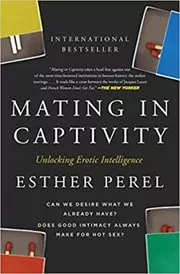
For couples exploring why emotional closeness and erotic desire do not always grow together. Its attention to autonomy and imagination challenges familiar assumptions, though the reflective case-based approach offers fewer step-by-step exercises than a structured relationship workbook.
What it's about
Esther Perel explores the tension between secure intimacy and erotic desire in long-term relationships. Drawing on her therapy practice, she examines familiarity, parenthood, and the desire for freedom, asking how couples might sustain passion together.
Also recommended by
1 person Dan Engle recommended this book
Dan Engle
"Such a good book about just deconstructing the whole idea of success in relationships." - Dan Engle
Dan Engle's recommendation of this book
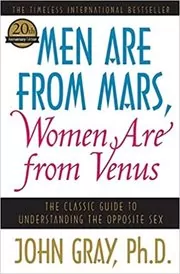
Men Are from Mars, Women Are from Venus
The Classic Guide to Understanding the Opposite Sex
For readers interested in a widely circulated framework for differences in communication and support. Its simple metaphors are easy to discuss, though broad claims about men and women can reinforce stereotypes and fit many couples poorly.
What it's about
Using a planetary metaphor, John Gray presents his account of differences in how men and women communicate, respond to stress, and express affection. He offers relationship strategies intended to reduce misunderstandings and improve emotional support between partners.
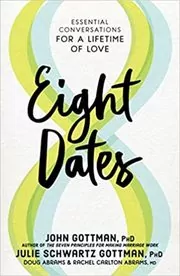
For couples who want a manageable structure for talking about important shared questions. The date-based format turns broad topics into planned conversations, though its value depends on both people listening openly and setting aside time to participate.
What it's about
John and Julie Gottman, with Doug and Rachel Abrams, offer eight structured dates for conversations about trust, conflict, sex, money, family, adventure, spirituality, and dreams. Questions and practical guidance help couples discuss their needs and expectations.
Mindful Relationship Habits
25 Practices for Couples to Enhance Intimacy, Nurture Closeness, and Grow a Deeper Connection
For couples who want small, repeatable practices for paying attention to their relationship. The habit-based format makes everyday actions easier to discuss, though it offers less depth on entrenched conflict than a focused couples-therapy framework.
What it's about
S.J. Scott and Barrie Davenport offer twenty-five practices for strengthening a couple's relationship. Their approach encourages intentional interactions, greater presence, clearer communication, and more thoughtful responses to each other's needs amid the pressures of daily life.
For men seeking dating advice centered on honesty and personal development. Its challenge to rehearsed tactics gives vulnerability a practical role, though the male, heterosexual framing and blunt voice narrow its fit compared with more inclusive relationship guides.
What it's about
Mark Manson presents dating advice centered on honesty, vulnerability, and emotional development. He argues that improving how men understand and express themselves matters more than rehearsed techniques, connecting romantic attraction with a more authentic personal life.
The Highly Sensitive Person in Love
Understanding and Managing Relationships When the World Overwhelms You
For readers who identify with heightened sensitivity and want to discuss stimulation, conflict, and intimacy. The temperament-focused lens makes differing needs easier to articulate, though it is a specialized perspective rather than a complete explanation of relationship difficulties.
What it's about
Elaine Aron explores how heightened sensitivity can affect romantic relationships, intimacy, and differing needs between partners. Drawing on her work on temperament, she offers guidance for understanding emotional responses and navigating relationships when stimulation and conflict can feel overwhelming.
For readers thinking carefully about partner selection rather than repairing an existing marriage. Its focus on priorities challenges the pull of immediate attraction, though translating group-level research into individual choices remains uncertain and cannot identify a guaranteed match.
What it's about
Ty Tashiro examines partner selection through findings from psychology and other social sciences. Using stories and practical exercises, he argues that prioritizing certain traits over more immediately attractive qualities can improve the prospects for a satisfying, lasting relationship.
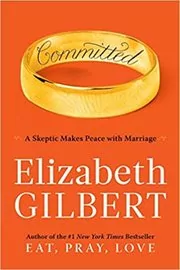
For readers who want a personal and historical reflection on marriage rather than a workbook. The questioning memoir format makes room for ambivalence, though its conclusions arise from one author's circumstances and provide less direct guidance for couples' daily problems.
What it's about
This memoir picks up after Eat, Pray, Love, as Elizabeth and her partner face an immigration ultimatum that forces them to marry. She travels, interviews others, and digs into history to understand what marriage means before saying yes again.
Also recommended by
1 person Taylor Swift recommended this book
Taylor Swift
[Taylor Swift] said during the reception that she was enjoying [this book].
Taylor Swift's recommendation of this book
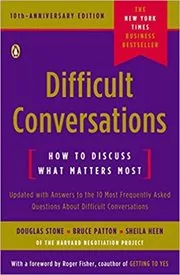
For readers who avoid important discussions because they expect blame or defensiveness. Its attention to perspective, feelings, and identity applies beyond romantic relationships, though using the approach naturally takes practice and it gives less attention to intimacy itself.
What it's about
Douglas Stone, Bruce Patton, and Sheila Heen offer a method for approaching emotionally charged conversations. Examples explain how to prepare, reduce defensiveness, understand differing perspectives, and keep difficult discussions constructive.
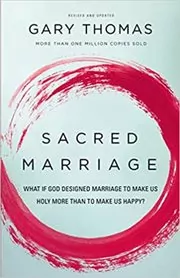
Sacred Marriage
What If God Designed Marriage to Make Us Holy More Than to Make Us Happy?
For Christian spouses who want to connect marriage with spiritual growth and character. Its faith-centered argument offers a distinct purpose for commitment, though readers seeking secular guidance or detailed communication exercises will need a different starting point.
What it's about
Gary Thomas approaches marriage as an opportunity for Christian spiritual growth. He argues that the demands of shared life can cultivate holiness and a closer relationship with God, connecting everyday marital experiences with questions of faith, character, and devotion.
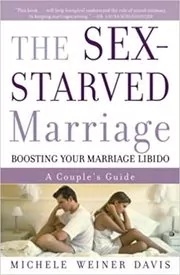
For couples who want to discuss a mismatch in sexual desire without avoiding the subject. Its problem-focused approach makes an often uncomfortable conversation explicit, though the marriage-centered framing may fit less well than a broader account of desire and intimacy.
What it's about
Michele Weiner Davis explores the tensions that arise when spouses have different levels of sexual desire. Her practical approach examines resentment, communication, and intimacy, offering couples ways to address the mismatch and reconnect.
Sources
- 1
The 15 Best Books About Relationships
goalcast.com
- 2
28 Best Relationship Books Every Couple Should Read
developgoodhabits.com
- 3
20 Relationship Books That Will Help You Be a Better Partner and Friend
self.com
- 4
15 Best Relationship Books to Strengthen Your Love
theknot.com
- 5
Relationships Books
goodreads.com
- 6
Any books that gave you a better understanding of love/how to be a good partner?
reddit.com
- 7
Relationship Books Everyone Should Read
penguinrandomhouse.com
- 8
5 Relationship Books Everyone Should Read
markmanson.net
- 9
Relationship Books Recommended by Couples Counselors
couplescounselingchicago.net

Edited by
Software engineer whose passion for tracking book recommendations from podcasts inspired the creation of MRB.
Lead investor at 3one4 Capital whose startup expertise and love for books helped shape MRB and its growth.
Comments
Spotted a missing book, a wrong order or a mistake? Tell us and we'll fix this page.
We're a reading guide, not the author or publisher, so we can't send books or pass on messages.