
19 Best Cricket Books
The best cricket books, ranked by how many expert sources recommend each one, with notes on who each suits, from memoir fans to readers of social history.
Our take
Cricket produces several kinds of book because the game reaches beyond what happens between bat and ball. A player’s memoir can describe pressure from inside the dressing room; a social history can explain who gained access to the game and what it came to mean. Tour diaries, coaching manuals and accounts of amateur teams offer different ways to follow the same sport.
Beyond a Boundary connects cricket with culture and colonial society, while A Corner of a Foreign Field and The Unquiet Ones explore India and Pakistan. Coming Back To Me brings the personal demands of international cricket into focus. For leadership, The Art of Captaincy considers both tactical judgment and people. Rain Men and Penguins Stopped Play turn toward the pleasures and absurdities of the amateur game, away from records and professional achievement.
Start with Beyond a Boundary for a wider view of cricket’s significance, or Rain Men if you want the recognition and humor of everyday enthusiasm.
19 books · 9 sources · Last updated
As an Amazon Associate, we earn from qualifying purchases (at no extra cost to you).
How to choose from this list
Skip to the full rankingIf you want cricket in its social setting: Beyond a Boundary → A Corner of a Foreign Field → The Unquiet Ones
If you want to understand leadership: The Art of Captaincy
If you prefer personal accounts of pressure: Coming Back To Me → Playing It My Way
If you want player biographies and politics: Harold Larwood → Basil D'Oliveira
If you enjoy amateur-cricket humor: Rain Men → Penguins Stopped Play
If you want practical coaching detail: Bob Woolmer's Art and Science of Cricket
The 19 books, ranked
Ranked by how many expert sources name each book. Ties go to the book more people recommend.

Beyond a Boundary
For readers who want cricket understood through society, race and culture rather than scores alone. Its blend of memory and political interpretation gives the game unusual depth, though it asks for slower reading than a straightforward sporting history.
What it's about
C. L. R. James combines memories of growing up in Trinidad with an examination of cricket's place in colonial society. Sport becomes a lens for exploring class, race, politics, culture, and the relationship between individuals and teams.
Also recommended by
1 person Christopher Hitchens recommended this book
Christopher Hitchens
"Suggests that in several ways [cricket] is not really a 'sport' at all, but more of a classical art form." - Christopher Hitchens
Christopher Hitchens's recommendation of this book

For fans who want Warne’s own account of competition, craft and life in public. His personal perspective provides immediacy missing from a detached history, but the autobiography naturally gives his interpretation of disputes and relationships.
What it's about
Shane Warne recounts his cricket career from his early international appearances through retirement. Personal reflections cover major matches, relationships within the game, controversies, and the demands of life as a prominent sportsman.
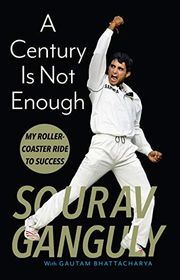
A Century Is Not Enough
For readers interested in resilience, selection pressure and the mindset of an Indian captain. Ganguly organizes career experience around overcoming setbacks, but the motivational emphasis offers less distance from controversies than an independent biography would.
What it's about
Sourav Ganguly reflects on his cricket career, including his early struggles, breakthrough performances and difficult periods of exclusion and criticism. Personal experiences become the basis for thoughts about handling pressure, recovering confidence and responding to setbacks.

For readers interested in how Indian cricket developed within empire, caste and national politics. Its player-centered social history offers a wider context than a star’s memoir, but the historical detail matters more than recent tournaments or modern tactics.
What it's about
Ramachandra Guha traces cricket's development in India through players' lives and broader social change. Stories involving Palwankar Baloo and other cricketers connect the sport with empire, caste discrimination, religious rivalry, and the political emotions surrounding competition between India and Pakistan.

A Social History of English Cricket
For readers who want English cricket’s institutions and ideals examined alongside its matches. Birley places class, money and social change at the center, though the long historical sweep can feel dense without some familiarity with the English game.
What it's about
Derek Birley traces English cricket from its early origins into the modern game. His social history connects the sport to class, gambling, empire, war, and changing cultural values, examining the institutions and people that shaped it.

For readers interested in the personal costs of international sport alongside its achievements. Trescothick’s account gives mental health and touring pressures more space than a conventional career celebration, though the candid material can be emotionally demanding.
What it's about
Marcus Trescothick recounts his development as a cricketer and his England career, including the 2005 Ashes. The memoir examines the personal pressures and mental health difficulties behind his departure from international cricket.
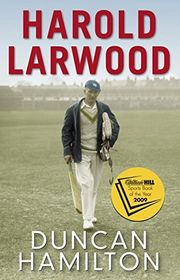
Harold Larwood
For readers who want a player’s life placed within one of cricket’s most disputed episodes. Its attention to class, loyalty and consequences deepens the Bodyline story, though it remains closely tied to an older Anglo-Australian cricket world.
What it's about
Duncan Hamilton traces fast bowler Harold Larwood’s life and his role in the Bodyline series. Drawing on family material and archives, the biography examines his treatment by cricket’s authorities and the personal consequences of a controversy that outlived his playing career.
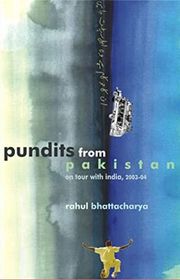
Pundits from Pakistan
For readers who want a cricket tour to open into travel, politics and everyday encounters. Its Indian visitor’s perspective gives the Pakistan journey a particular intimacy, though the focus remains one tour rather than a comprehensive national history.
What it's about
Rahul Bhattacharya follows India’s 2004 tour of Pakistan, describing matches alongside encounters with players, supporters and everyday life. The account explores a major sporting reunion against the background of the countries’ difficult political relationship and shared enthusiasm for cricket.

For amateur players and fans who recognize the comedy of caring deeply about imperfect cricket. Its affection for everyday frustrations distinguishes it from elite-player memoirs, though readers seeking technique or a systematic history should look elsewhere.
What it's about
Marcus Berkmann explores the obsessions, frustrations, and absurdities of cricket fandom and amateur play. Humorous accounts of disappointing performances, questionable umpiring, and enduring hope portray the people who keep returning to the game.

For captains and thoughtful fans who want tactics connected to understanding people. Brearley’s reflections give leadership a psychological dimension beyond field settings, though the discursive style is less convenient than a quick coaching checklist.
What it's about
Mike Brearley draws on his experience as England captain to examine leadership and motivation. Tactical decisions sit alongside reflections on understanding individual personalities, building a team, and using empathy and judgment under pressure.

For readers who want Pakistan cricket connected to the country’s changing identity and public life. Its broad historical view makes victories and controversies part of a larger story, but the scope is substantial if you only want player anecdotes.
What it's about
Osman Samiuddin traces Pakistan cricket from the aftermath of Partition through its victories, crises, and controversies. Accounts of players, matches, and tours explore how the game became intertwined with national identity and everyday life.

For readers who enjoy a cricket tour as travel writing as well as sporting reportage. Ross gives place and atmosphere room alongside the Ashes, but the period setting and literary observations take precedence over a modern tactical breakdown.
What it's about
Alan Ross records the MCC's Australian tour and the contest for the Ashes under Len Hutton. Match observations accompany a travel journal of his first impressions of Australia's cities, landscapes, and people.
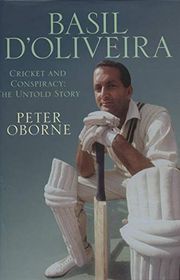
Basil D'Oliveira
For readers who want a cricket biography inseparable from race and political power. It explains how one career challenged sporting institutions and apartheid, but the institutional history is as important as the performances on the field.
What it's about
Peter Oborne follows Basil D’Oliveira from apartheid South Africa to the England team. The biography connects his cricketing opportunities with racial prejudice and the political dispute surrounding his selection for a proposed tour of South Africa in 1968.
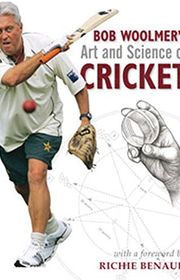
Bob Woolmer's Art and Science of Cricket
For players and coaches who want technical instruction connected with preparation and performance. Its manual format offers far more practical detail than the memoirs here, but its length and older scientific context call for selective, critical use.
What it's about
Bob Woolmer, Tim Noakes and Helen Moffett combine coaching instruction with discussion of physical and mental preparation. Illustrated explanations cover playing skills, training and performance, using summaries and examples to connect technical development with the wider demands of cricket.

For readers interested in cricket writing as portraiture and atmosphere. Cardus turns players and crowds into vivid literary subjects rather than merely recording outcomes, though his imaginative approach to reporting is less reliable as a precise historical record.

For readers drawn to the tensions between talent, leadership and a dressing room’s power structures. Its close look at Kim Hughes offers more than a career chronology, but its Australian context and period detail assume interest in that era.
What it's about
Christian Ryan examines Kim Hughes's career amid the upheavals of Australian cricket. His account connects Hughes's batting and captaincy to conflicts with senior players, World Series Cricket, and the pressures surrounding his fall from leadership.
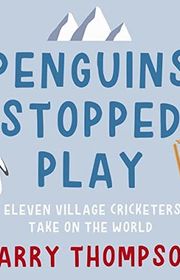
Penguins Stopped Play
For readers who like amateur cricket mixed with travel mishaps and self-deprecating humor. Its global touring ambition gives the club-team comedy a larger canvas than Rain Men, though the cricket shares space with digressions and logistical chaos.
What it's about
Harry Thompson recounts an amateur team’s attempt to play cricket on all seven continents. Arrangements unravel, unlikely opponents appear and travel creates its own obstacles, turning the matches into a comic account of friendship, enthusiasm and an improbable sporting ambition.
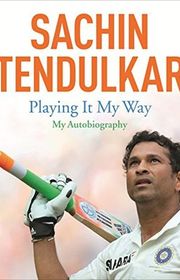
Playing It My Way
For fans who want Tendulkar’s account of a long career under exceptional public scrutiny. Its personal chronology gives his achievements and disappointments continuity, but readers seeking an independent assessment of Indian cricket will need a broader history.
What it's about
Sachin Tendulkar recounts his path from Mumbai school cricket to a long international career. The autobiography covers major performances, injuries, captaincy, family and retirement, offering his perspective on the demands of representing India while living in the public eye.
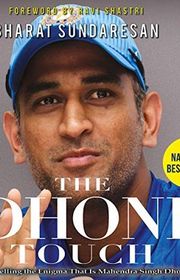
The Dhoni Touch
For readers curious about the personality behind Dhoni’s controlled public image. Interviews and anecdotes from people around him provide a closer character portrait, but this is a selective profile rather than a complete chronological career history.
What it's about
Bharat Sundaresan explores Mahendra Singh Dhoni through conversations with friends and others close to him. The profile connects his Ranchi background with his roles as player and captain, examining the qualities that shape his public presence and private relationships.
Sources
- 1
15 Best Cricket Books you Must Read (Updated for 2022)
itsonlycricket.com
- 2
Best cricket books every fan should read
blog.cricheroes.com
- 3
Wisden Cricket Monthly’s best cricket book ever – revealed
wisden.com
- 4
Top 10 books about cricket
theguardian.com
- 5
The best books on Cricket
fivebooks.com
- 6
Cricket
goodreads.com
- 7
What are your favorite cricket books of all time?
reddit.com
- 8
Best Cricket Books to Read in 2026
skyblogs.in
- 9
What are your favorite cricket books of all time?
reddit.com




Edited by
Software engineer whose passion for tracking book recommendations from podcasts inspired the creation of MRB.
Lead investor at 3one4 Capital whose startup expertise and love for books helped shape MRB and its growth.
Comments
Spotted a missing book, a wrong order or a mistake? Tell us and we'll fix this page.
We're a reading guide, not the author or publisher, so we can't send books or pass on messages.