
5 Best Corporate Law Books
The best corporate law books, ranked by how many expert sources recommend each one, with notes for students, junior lawyers, and readers comparing legal systems.
Our take
Corporate law books explain how companies are organized, governed, financed, and held accountable. Some introduce the relationships between managers, shareholders, and other participants. Others compare legal systems or concentrate on the practical work of transactions. Before choosing a book, it helps to know whether you need a conceptual introduction, a study companion, or assistance with the language and structure of contracts.
Corporate Law uses business and economic relationships to explain the subject, while The Anatomy of Corporate Law compares recurring problems across jurisdictions. Understanding Corporate Law provides a more conventional study framework. For transactional work, Working with Contracts explains the building blocks of agreements, and A Manual of Style for Contract Drafting examines how those agreements are expressed. The latter books complement a corporate-law text rather than covering the same material. Start with the framework that matches your course or work, then choose the practical reference that addresses your next task.
5 books · 7 sources · Last updated
As an Amazon Associate, we earn from qualifying purchases (at no extra cost to you).
How to choose from this list
Skip to the full rankingIf you want the conceptual foundations: Corporate Law
If you want a study companion: Understanding Corporate Law
If you want to compare legal systems: Corporate Law → The Anatomy of Corporate Law
If you are starting transactional work: Working with Contracts → A Manual of Style for Contract Drafting
The 5 books, ranked
Ranked by how many expert sources name each book. Ties go to the book more people recommend.
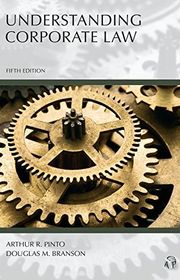
Understanding Corporate Law
For students who want a structured explanation alongside a corporations course. Its coverage of formation, governance, and major transactions provides a practical study framework, though it is US-focused and the selected edition predates later legal developments.
What it's about
Arthur Pinto and Douglas Branson explain the concepts commonly taught in corporate-law and business-associations courses. The text examines formation, corporate finance, fiduciary duties, shareholder rights, and major transactions, connecting the legal rules with recurring organizational questions.
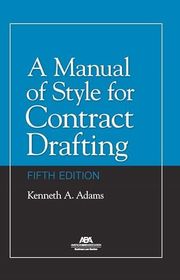
A Manual of Style for Contract Drafting
For transactional lawyers who need to make contract language precise and consistent. Its detailed treatment of wording complements Working with Contracts’ broader overview, though it is a reference on expression rather than advice on a deal’s substance.
What it's about
Kenneth Adams examines the language and organization of contracts, including ambiguity, defined terms, sentence structure, and recurring drafting conventions. The manual explains how to express agreed provisions clearly rather than deciding which commercial terms an agreement should contain.

For junior transactional lawyers who want to understand how commercial contracts are assembled and used. Its practical building-block approach connects drafting with negotiation, though the emphasis is on contract work rather than a full account of corporate law.
What it's about
Charles Fox explains the practical work of drafting, reviewing, and negotiating business contracts. Sample provisions, checklists, and discussions of contractual building blocks guide readers through issues such as amendments, waivers, consent, and due diligence that arise in transactional practice.

Corporate Law
For students who want corporate rules explained through business relationships and economic incentives. Its focused conceptual approach gives more context than a drafting reference, though the US-centered framework and condensed treatment require additional detail for advanced study.
What it's about
Stephen Bainbridge introduces corporate law through the economic and business relationships underlying the corporation. The text connects legal principles with governance, transactions, and the incentives of participants, helping students understand how corporate rules operate within practical commercial settings.

For readers ready to compare how different jurisdictions address recurring corporate problems. Its functional framework makes common structures and conflicts visible, though the theoretical density and comparative scope are demanding without basic corporate-law knowledge.
What it's about
Reinier Kraakman and his coauthors compare corporate law across major jurisdictions using a common functional framework. Shared corporate attributes and recurring conflicts among managers, shareholders, and other constituencies provide a way to examine different legal responses to similar organizational problems.
Sources
- 1
19 Best Books for Corporate Lawyers In 2026
thelegalpractice.com
- 2
Business Associations
law.duke.edu
- 3
Secondary Sources - Corporate Law Research Guide
guides.ll.georgetown.edu
- 4
Business and Corporate Law: Books and Treatises
wcl.american.libguides.com
- 5
5 Books for a Corporate Associate
biglawinvestor.com
- 6
Books for Learning Business/Corporate Law
reddit.com
- 7
Biglaw Book Recommendations?
reddit.com







Edited by
Software engineer whose passion for tracking book recommendations from podcasts inspired the creation of MRB.
Lead investor at 3one4 Capital whose startup expertise and love for books helped shape MRB and its growth.
Comments
Spotted a missing book, a wrong order or a mistake? Tell us and we'll fix this page.
We're a reading guide, not the author or publisher, so we can't send books or pass on messages.