
18 Best Climbing Books
The best climbing books, ranked by expert source recommendations, with notes to help you choose adventure memoirs, climbing history, training, and skill references.
Our take
Climbing books range from accounts of individual ascents to histories of climbing communities and guides for developing skills. Some ask what draws people toward risk; others examine preparation, attention, endurance, or the physical demands of the sport. Rock climbing and high-altitude mountaineering also place different demands on readers looking for practical information.
For narrative, Touching the Void and Into Thin Air offer intense accounts of survival and disaster. Camp 4 and Freedom Climbers broaden the frame to communities and historical circumstances. Climbing Free and Psychovertical connect major climbs with personal lives, while Drawn uses visual storytelling. Practical readers can choose Mountaineering for broad reference, Training for Climbing for rock performance, or Training for the New Alpinism for endurance-focused mountain preparation. The Rock Warrior’s Way and Vertical Mind address the mental side. Start with a narrative if you want to understand the experience, or a guide suited to your discipline if you want to support ongoing instruction and practice.
18 books · 9 sources · Last updated
As an Amazon Associate, we earn from qualifying purchases (at no extra cost to you).
How to choose from this list
Skip to the full rankingIf you want an intense climbing narrative: Touching the Void → Into Thin Air
If you want climbing culture and history: Camp 4 → Freedom Climbers
If you want personal memoirs: Climbing Free → Psychovertical
If you want a broad mountain-skills reference: Mountaineering
If you want structured physical preparation: Training for Climbing → Training for the New Alpinism
If you want mental-training exercises: The Rock Warrior's Way → Vertical Mind
The 18 books, ranked
Ranked by how many expert sources name each book. Ties go to the book more people recommend.

For climbers who want a broad reference covering preparation and mountain skills. The organized breadth makes it useful alongside instruction, though a book cannot provide supervised practice and readers should check which edition they are using.
What it's about
This mountaineering reference covers equipment, planning, rope work, belaying, rappelling, and travel on glaciers. Written by experienced climbers and instructors, it connects technical skills with preparation and safety considerations for climbing and wilderness expeditions.

Touching the Void
For readers who want a tightly focused survival narrative with difficult questions about partnership. The immediate physical detail gives the experience unusual force, though the account of injury and isolation can be distressing.
What it's about
Joe Simpson recounts climbing Siula Grande in the Peruvian Andes with Simon Yates and the disastrous descent that followed. A broken leg turns their expedition into a struggle for survival, testing endurance, judgment, and the bonds between climbing partners.

For general readers who want a compelling firsthand account of a major mountaineering disaster. The attention to decisions and survivor guilt gives the narrative weight, though it is one participant’s interpretation of events disputed by others.
What it's about
Krakauer's firsthand account of the 1996 Mount Everest disaster follows a commercial expedition caught in a deadly storm. It examines the climbers' decisions, the brutal effects of altitude, and the guilt carried by those who survived.
Also recommended by
2 people Richard Branson recommended this book
Richard Branson
Richard Branson recommended this book on his "70 must-read books" blog post.
Richard Branson's recommendation of this book  James Clear recommended this book
James Clear
"[One of] the 10 best nonfiction books of all-time." - James Clear
James Clear's recommendation of this book

Alone on the Wall
For readers curious about Honnold’s preparation and experience of extreme climbing. The close perspective helps explain an unusual approach to risk, though the extraordinary achievements are personal narratives rather than a model for ordinary climbing decisions.
What it's about
Alex Honnold recounts major achievements in his climbing career with coauthor David Roberts. Accounts of demanding climbs, including ascents without ropes, explore his preparation, concentration, and approach to fear and risk in situations where mistakes can be fatal.

For readers interested in Yosemite’s climbing history and community. The insider recollections connect major ascents with personalities and everyday life, though the local focus and large cast offer less of a single dramatic narrative.
What it's about
Steve Roper recounts Yosemite's climbing community during the 1960s, drawing on years living in the valley. Stories of major climbers, significant ascents, equipment changes, and controversies portray the culture surrounding Camp 4 and the development of big-wall climbing.
Climbing Free
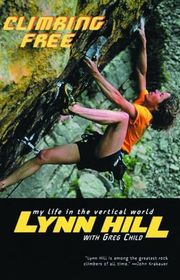
For readers who want a sustained account of a woman’s life within climbing’s changing culture. Hill’s perspective connects major achievements with personal development, though the autobiographical focus provides less technical instruction than a training guide.
What it's about
Lynn Hill, writing with Greg Child, recounts her development as a climber and her experiences within the sport. Personal stories and major ascents, including free climbing the Nose on El Capitan, trace a career shaped by persistence, relationships, and changing expectations.

For readers who want Himalayan climbing placed in a wider political and cultural history. The group portrait broadens the usual individual adventure narrative, though the many climbers and expeditions require attention and the losses are substantial.
What it's about
Bernadette McDonald recounts the rise of Polish mountaineers who became leading Himalayan climbers after the Second World War. Their expeditions reveal how ambition, ingenuity, and a search for freedom enabled international adventures despite life behind the Iron Curtain.

Psychovertical
For readers who want dark humor and personal vulnerability alongside extreme climbing. The movement between autobiography and a solo ascent gives ambition emotional context, though the technical detail and bleak passages can be demanding.
What it's about
Andy Kirkpatrick frames his autobiography around a thirteen-day solo ascent of El Capitan's Reticent Wall. The narrative moves between a childhood in Hull and extreme climbing experiences, exploring the tension between dangerous ambitions and family responsibilities.

For readers who want an older Alpine classic centered on companionship and mountain experience. The lyrical approach offers a different tone from disaster narratives, though the period equipment and style make it historical reading rather than current instruction.
What it's about
Gaston Rébuffat recounts climbs of the Alps’ six great north faces, combining accounts of danger with the pleasures of companionship and mountain beauty. His reflections present climbing as a relationship with the mountains, shaped by storms, difficult passages, and shared experiences.

For readers who enjoy visual memoir and the relationship between adventure and creative work. The drawings and handwritten material make it distinctive among prose accounts, though the format is more impressionistic than a detailed expedition history.
What it's about
Jeremy Collins combines sketchbook pages, photographs, and handwritten accounts of climbing journeys in four directions from home. His visual memoir follows first ascents in several countries while exploring the relationship between adventure, artistic work, and family life.

For readers who want a close account of a pioneering Everest climb. The partnership and commitment to a particular route give it focus, though familiarity with mountaineering terms and geography helps with the technical passages.
What it's about
Thomas Hornbein recounts his and Willi Unsoeld’s first ascent of Everest’s West Ridge during the American expedition. The account follows their commitment to a difficult route and the struggle to survive a high-altitude bivouac after reaching the summit.

For climbers interested in attention, motivation, and their relationship with fear. The reflective exercises provide more practice than a memoir, though the philosophical language will not suit everyone and mental confidence does not establish technical safety.
What it's about
Arno Ilgner presents mental training for climbers through exercises in motivation, information gathering, risk assessment, and attention. Drawing on climbing experience, sports psychology, and warrior literature, he examines the transition from thinking through a challenge to deliberate action.

For rock climbers who want an organized approach to performance rather than general inspiration. The integration of physical preparation, technique, and mental factors offers breadth, though programs need adapting to experience, recovery, and individual limitations.
What it's about
Eric Hörst combines climbing experience with sports science in a guide to training for performance. Instruction addresses strength, endurance, technique, and mental preparation, alongside nutrition, recovery, and injury prevention, helping readers think about how to organize their climbing development.
Training for the New Alpinism
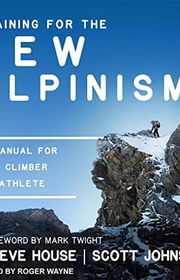
For climbers preparing for long alpine objectives who want to understand endurance-based training. The systematic planning distinguishes it from rock-performance guides, though its time demands and mountain focus may exceed the needs of occasional recreational climbers.
What it's about
Steve House and Scott Johnston apply endurance-training principles to alpine climbing. The book connects aerobic development, strength work, recovery, and planning with the physical demands of long mountain objectives, using explanations and climbing experiences to develop its framework.

For climbers who want psychological ideas connected with habits and practice exercises. The structured discussion complements narrative accounts of fear, though applying the framework consistently requires more effort than reading for motivation alone.
What it's about
Don McGrath and Jeff Elison explore climbing's psychological demands through research, interviews, and practical exercises. Their mental training framework examines fear, habitual thought patterns, motivation, and ways climbing partners can support one another's development.

For readers interested in reinvention, fear, and the personal life behind adventure sports. The reflective voice connects climbing with aerial pursuits, though readers seeking a climbing-centered expedition story may find the skydiving and relationship focus less relevant.
What it's about
Steph Davis recounts turning to skydiving and BASE jumping after upheaval in her marriage and climbing career. Her memoir explores fear, control, love, and loss through aerial pursuits and the search for a new sense of identity.

For readers who want multiple women’s perspectives rather than a single career memoir. The profiles and photographs show varied ways of building a climbing life, though the breadth gives each individual less space than a full autobiography.
What it's about
Chris Noble profiles twenty women climbers through their own accounts and color photographs. The collection explores personal challenges, accomplishments, and approaches to climbing, with practical reflections from figures including Lynn Hill, Steph Davis, and Sasha DiGiulian.

One Move Too Many
How to Understand the Injuries and Overuse Syndroms of Rock Climbing
For climbers who want a reference focused on anatomy, injury, and overuse rather than adventure stories. The specialist scope fills a different need here, though older rehabilitation advice requires current professional interpretation rather than self-directed treatment.
What it's about
This guide examines injuries and overuse syndromes associated with rock climbing. It introduces anatomical foundations and discusses training, rehabilitation, stretching, taping, and nutrition, helping climbers understand the physical demands and injury concerns surrounding their sport.
Sources
- 1
12 Best Climbing Books in 2024
lydiascapes.com
- 2
How Many of These 28 Classic Climbing Books Have You Read?
climbing.com
- 3
100 Best Mountaineering Books
chesslerbooks.com
- 4
Climbing Books
goodreads.com
- 5
Book recommendations
reddit.com
- 6
The Best Climbing Books According to AAC Librarians
rei.com
- 7
10 of the Best Climbing Books
ellis-brigham.com
- 8
Favorite books featuring climbing/climbers?
reddit.com
- 9
Best Mountaineering and Climbing books
alpineinstitute.com










Edited by
Software engineer whose passion for tracking book recommendations from podcasts inspired the creation of MRB.
Lead investor at 3one4 Capital whose startup expertise and love for books helped shape MRB and its growth.
Comments
Spotted a missing book, a wrong order or a mistake? Tell us and we'll fix this page.
We're a reading guide, not the author or publisher, so we can't send books or pass on messages.