
8 Best Cheesemaking Books
The best cheesemaking books, ranked by how many expert sources recommend each one, with notes on who each suits, from home beginners to aspiring artisan makers.
Our take
Cheesemaking combines ingredients, timing, temperature, and the activity of cultures with the patience to observe what happens next. A first fresh cheese and an aged wheel ask very different things of a home kitchen. These books range from beginner projects to detailed discussions of the science and decisions that shape texture, flavor, and maturation.
Home Cheese Making offers a broad illustrated starting point, while Mastering Basic Cheesemaking connects early projects with explanations and troubleshooting. Artisan Cheese Making at Home provides a path toward more involved styles. For deeper study, Mastering Artisan Cheesemaking brings process and science together, and The Art of Natural Cheesemaking develops a distinct approach to fermentation and cultures. The Oxford Companion to Cheese supplies background rather than a sequence of recipes. Your available milk, equipment, and aging conditions matter when choosing a project. Start with Mastering Basic Cheesemaking if you want to learn through explanation and practice, or Home Cheese Making for a wide recipe reference.
8 books · 8 sources · Last updated
As an Amazon Associate, we earn from qualifying purchases (at no extra cost to you).
How to choose from this list
Skip to the full rankingIf you’re making your first cheeses: Mastering Basic Cheesemaking → Home Cheese Making
If you want illustrated artisan projects: Home-Made Cheese → Artisan Cheese Making at Home
If you want deeper process understanding: Mastering Artisan Cheesemaking
If you’re studying traditional fermentation: The Art of Natural Cheesemaking
If you want cheese background and terminology: The Oxford Companion to Cheese
The 8 books, ranked
Ranked by how many expert sources name each book. Ties go to the book more people recommend.
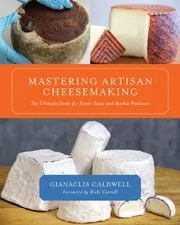
Mastering Artisan Cheesemaking
The Ultimate Guide for Home-Scale and Market Producers
For experienced home makers who want science, process control, and troubleshooting together. Its depth connects recipes with the reasons behind results, though the technical detail and small-producer scope make it demanding as a first cheesemaking book.
What it's about
Gianaclis Caldwell combines cheesemaking science with practical methods for home kitchens and small commercial operations. Recipes, producer profiles, and troubleshooting discussions explain how ingredients, equipment, cultures, and aging conditions shape the character of different artisan cheeses.
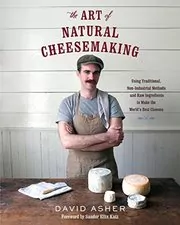
The Art of Natural Cheesemaking
Using Traditional, Non-Industrial Methods and Raw Ingredients to Make the World's Best Cheeses
For readers interested in traditional cultures and the ecology of cheesemaking. Its distinctive fermentation approach offers an alternative to standardized methods, though it demands careful attention to ingredients, conditions, and safety rather than assuming natural means risk-free.
What it's about
David Asher presents traditional cheesemaking through the relationships among milk, microbial cultures, and the environments in which cheeses mature. Practical methods and recipes accompany his argument for less industrial production, emphasizing natural fermentation and the ecological foundations of cheese.
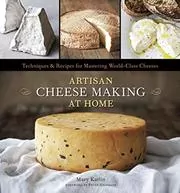
For home makers ready to move beyond simple fresh cheeses through a progressive recipe collection. Its range connects basic techniques with ripening and finishing, though more complex styles require time, space, and equipment that a beginner may lack.
What it's about
Mary Karlin teaches home cheesemaking from ingredients and basic equipment through fresh, cultured, and aged cheeses. Recipes build progressively on core techniques, with additional guidance on pressing, brining, and ripening, plus dishes using the finished cheeses.
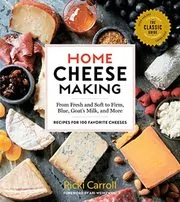
For home cooks who want a broad starting collection with illustrated steps. The range lets you progress from fresh cheeses toward more involved styles, though aged cheeses still require equipment, controlled conditions, and patience beyond following a recipe.
What it's about
Ricki Carroll presents home cheesemaking techniques with step-by-step photographs and recipes covering a broad range of cheese styles. This revised edition adds new cheeses, cheesemaker profiles, and companion recipes for cooking with cheese and preparing accompaniments.
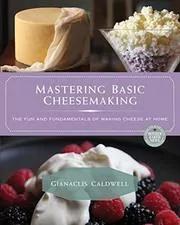
For beginners who want to understand the process while completing manageable projects. Its explanations and troubleshooting support learning from each batch, though progressing to more complex cheeses takes practice and suitable equipment rather than reading alone.
What it's about
Designed for beginners, Gianaclis Caldwell's guide introduces the equipment, ingredients, and basic techniques of home cheesemaking. Hands-on projects progress from simple fresh cheeses toward more complex styles, explaining the underlying processes and helping readers recognize and troubleshoot common problems.

The Joy of Cheesemaking: The Ultimate Guide to Understanding, Making, and Eating Fine Cheese
For readers who want an introduction connecting the making of cheese with its wider artisan culture. Its mix of instruction and producer perspectives adds context, though readers seeking detailed process troubleshooting may prefer a more technical manual.
What it's about
Jody Farnham and Marc Druart introduce cheesemaking alongside the traditions and people involved in artisan production. Practical guidance, recipes, and profiles connect the work of making cheese with understanding its character and enjoying the finished result.
The Oxford Companion to Cheese
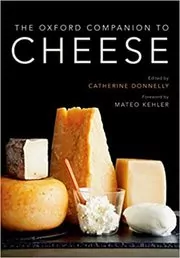
For makers who want background on cheese styles, microbes, history, and production terminology. Its alphabetical reference format supports targeted questions, though it complements a practical manual rather than guiding you through a first batch step by step.
What it's about
Edited by Catherine Donnelly, this reference explores cheese through hundreds of alphabetical entries covering varieties, production methods, history, science, and cultural traditions. Contributors explain everything from microbial processes and maturation to the ways cheese is made and enjoyed around the world.
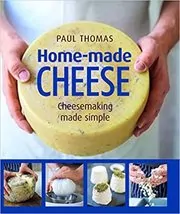
For home makers who want illustrated instructions connected with explanations of milk and curds. Its practical treatment gives recipes useful context, though pressing, rind care, and maturation still require more control than a straightforward kitchen recipe.
What it's about
Paul Thomas explains how to make artisan cheeses at home, connecting practical recipes with the science behind milk, cultures, and curds. Illustrated instructions cover equipment, pressing, salting, rind care, and maturation across a range of classic cheeses.
Sources
- 1
The best cheese-making books
thecourtyarddairy.co.uk
- 2
Beginners Guide to Cheesemaking (with Recipes!)
practicalselfreliance.com
- 3
Cheesemaking
soireeleone.com
- 4
Cheesemaking Books
goodreads.com
- 5
Book recommendations
reddit.com
- 6
Further insight
reddit.com
- 7
7 Of The Best Cheese Books - Cheese Notes
lakegenevacountrymeats.com
- 8
Want to Get Into Cheese? These Books Can Help.
wineenthusiast.com

Edited by
Software engineer whose passion for tracking book recommendations from podcasts inspired the creation of MRB.
Lead investor at 3one4 Capital whose startup expertise and love for books helped shape MRB and its growth.
Comments
Spotted a missing book, a wrong order or a mistake? Tell us and we'll fix this page.
We're a reading guide, not the author or publisher, so we can't send books or pass on messages.