
13 Best Charles Bukowski Books
The best Charles Bukowski books, ranked by how many expert sources recommend each one, with notes on novels, stories, poetry, and where readers can begin.
Our take
Charles Bukowski’s books return to poorly paid work, drinking, isolation, desire, and the stubborn wish to write. His sentences often sound conversational, and his humor can move quickly into cruelty or vulnerability. The novels featuring Henry Chinaski offer a recurring perspective, while the poems and short prose let you encounter the voice in smaller, less continuous pieces.
Post Office is a compact starting point for the workplace fiction. Ham on Rye looks back at the childhood behind the adult outsider, and Factotum follows a more fragmented route through temporary jobs. Women and Hollywood examine what changes when literary success arrives. For poetry, Love Is a Dog from Hell concentrates on relationships, while Burning in Water, Drowning in Flame gathers a broader span of early work. The Last Night of the Earth Poems offers a later perspective. Begin with Post Office for the prose or sample a poetry collection if you prefer the voice in shorter bursts.
13 books · 8 sources · Last updated
As an Amazon Associate, we earn from qualifying purchases (at no extra cost to you).
Reading Charles Bukowski in order? See all Charles Bukowski books in order
How to choose from this list
Skip to the full rankingIf you are new to the novels: Post Office → Ham on Rye → Factotum
If you want to follow later Chinaski: Women → Hollywood
If you want an introduction to the poetry: Love Is a Dog from Hell → Burning in Water, Drowning in Flame
If you want late career reflection: Septuagenarian Stew → The Last Night of the Earth Poems
If you prefer short prose: Hot Water Music → Notes of a Dirty Old Man
If you want a genre departure: Pulp
The 13 books, ranked
Ranked by how many expert sources name each book. Ties go to the book more people recommend.
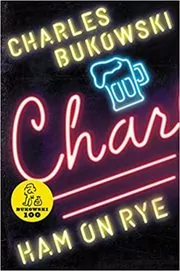
For newcomers who want the emotional background behind Bukowski’s adult narrator. Its coming of age structure gives the alienation more context than the workplace novels, though cruelty and humiliation make it a difficult childhood to inhabit.
What it's about
Henry Chinaski grows up poor, bruised, and isolated, dealing with a brutal father, schoolyard cruelty, and his own shame. Bukowski turns that childhood misery into a bleak, funny coming-of-age novel.
Also recommended by
1 person Patrick O'Shaughnessy recommended this book
Patrick O'Shaughnessy
"A coming of age story that rings more true than any other I’ve ever read." - Patrick O'Shaughnessy
Patrick O'Shaughnessy's recommendation of this book
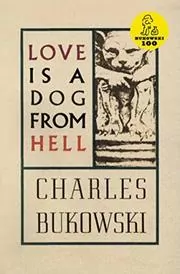
Love Is a Dog from Hell
For readers who want poetry that combines emotional exposure with a rough conversational voice. The relationship focus provides an accessible theme across the collection, though explicit language and a frequently hostile perspective can be wearing.
What it's about
These poems circle love, sex, heartbreak, and the wreckage people make of one another. Bukowski's voice is raw and direct, but there is real tenderness under the swagger.
Also recommended by
1 person Harry Styles recommended this book
Harry Styles
"I just love the way [this author] uses language. It's so real, gritty, and filthy yet there is something so romantic about it all." - Harry Styles
Harry Styles's recommendation of this book
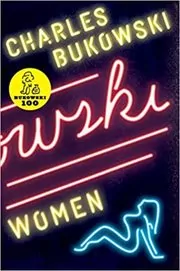
For readers already familiar with Chinaski who want the complications of his later fame. Its self-exposure adds another angle to the persona, though repetitive encounters and objectifying descriptions make it a demanding introduction.
What it's about
After literary fame finally arrives, Henry Chinaski stumbles through a string of affairs, fights, and self-inflicted disasters. It is funny, ugly, repetitive on purpose, and surprisingly revealing about loneliness.
Also recommended by
1 person- Patrick O'Shaughnessy recommended this book
Patrick O'Shaughnessy
"A fictionalized autobiography of [the author], an alcoholic womanizer and fantastic writer." - Patrick O'Shaughnessy
Patrick O'Shaughnessy's recommendation of this book
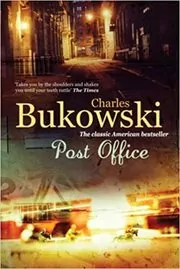
Post Office
For readers who want a short, direct introduction to Chinaski and dead end work. Its workplace focus gives the episodes a clear thread, though the abrasive narrator and repeated drinking are central to the experience.
What it's about
Henry Chinaski takes a job with the postal service and spends years trying to survive the grind, the supervisors, and himself. It turns dead-end work into a fast, filthy, darkly funny novel.
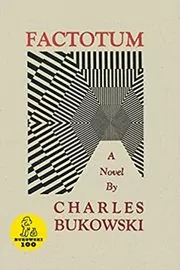
Factotum
For readers who want a fragmented portrait of work, poverty, and the urge to write. Its movement between temporary jobs widens the social view beyond Post Office, though the episodic structure provides little conventional momentum.
What it's about
Rejected by the draft and allergic to steady work, Henry Chinaski bounces from one miserable job to the next while trying to drink, write, and stay free. It is episodic, funny, and painfully clear-eyed.
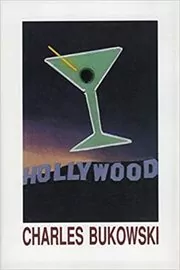
Hollywood
For readers familiar with Chinaski who want satire aimed at filmmaking and literary success. Its industry setting changes the surroundings without abandoning the voice, though recognizing some real life models adds another layer to the jokes.
What it's about
Henry Chinaski gets dragged into the making of a film based on Bukowski's life and discovers that show business is every bit as absurd as the bars. It is a sour, funny backstage novel.
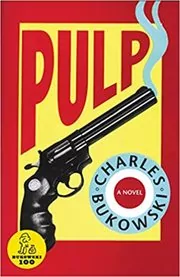
Pulp
For readers who know Bukowski’s usual world and want a stranger final variation. Its absurd detective framework offers more overt genre play than the Chinaski novels, though it is a misleading introduction to his typical fiction.
What it's about
Bukowski's last novel turns into a shabby detective story, with private eye Nicky Belane chasing impossible cases through a surreal Los Angeles. It is a spoof, a farewell, and a book haunted by death.
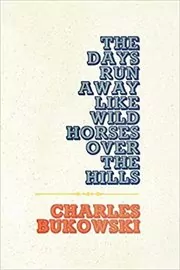
The Days Run Away Like Wild Horses Over the Hills
For readers who want an earlier poetic voice with grief and vulnerability close to the surface. Its emotional focus offers a counterweight to the public persona, though the uneven scenes work better individually than as an argument.
What it's about
A breakthrough poetry collection that moves between longing, failure, lust, and the small moments that keep a person going. The lines are blunt, musical, and surprisingly open-hearted.
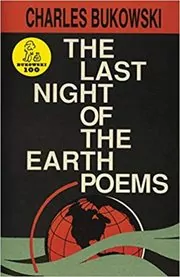
The Last Night of the Earth Poems
For readers interested in Bukowski’s later perspective on mortality and ordinary survival. Its reflective moments broaden the familiar rough voice, though the collection is substantial and its changing moods reward selective reading.
What it's about
Bukowski writes here with death much closer, and the result is one of his bleakest and best late collections. The poems move through fear, memory, anger, and sudden flashes of hard-earned peace.
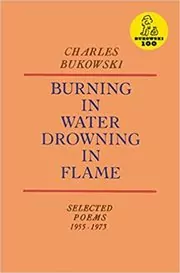
Burning in Water, Drowning in Flame
For readers who want a wider view of Bukowski’s early poetry in one volume. Its selection across several earlier collections reveals shifts in the voice, though that breadth brings repetition and an uneven emotional register.
What it's about
This gathering of early poems shows Bukowski building the voice that made him famous. He writes about booze, work, women, and defeat with a mix of bite and battered grace.
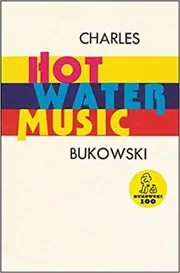
Hot Water Music
For readers who prefer short fiction and can tolerate abrupt shifts in tone. Its compressed situations show Bukowski working beyond a single continuous narrator, though cruelty and grotesque humor leave little room for a comfortable distance.
What it's about
These stories are packed with hustlers, drunks, desperate lovers, and men who keep talking their way into trouble. Bukowski keeps the prose quick, funny, and mean enough to sting.
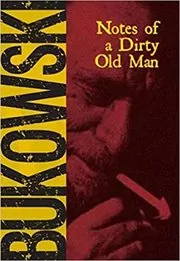
Notes of a Dirty Old Man
For readers who enjoy brief, unpredictable prose rather than a shaped novel. Its newspaper column origins allow more digression and provocation, though the uneven mix of confession and invention offers little stable narrative direction.
What it's about
Bukowski's notorious newspaper columns mix autobiography, rant, joke, confession, and low-life observation. It is messy, funny, abrasive, and essential if you want the full Bukowski persona.
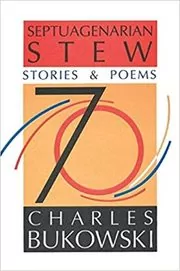
For readers who want to move between short prose and poems in one volume. Its mixed form suits browsing and reveals a late career range, though readers seeking a cohesive novel will find the structure deliberately loose.
What it's about
This late collection mixes poems and short prose pieces, with Bukowski looking at old age, memory, lust, horses, and the long road behind him. The tone is loose, cranky, and often very funny.
Sources
- 1
5 Best Charles Bukowski Books
ereads.com
- 2
The Best of Charles Bukowski
goodreads.com
- 3
Charles Bukowski checklist/bibliography - books only
bukowski.net
- 4
Charles Bukowski Books: Novels, Stories, and Where to Start
parisatlas.com
- 5
Charles Buckowski Starter Pack
reddit.com
- 6
Where to start Charles Bukowski
reddit.com
- 7
Charles Bukowski
fantasticfiction.com
- 8
The 5 Best Charles Bukowski Poetry Books: A Complete Guide for New and Returning Readers
owlcation.com








Edited by
Software engineer whose passion for tracking book recommendations from podcasts inspired the creation of MRB.
Lead investor at 3one4 Capital whose startup expertise and love for books helped shape MRB and its growth.
Comments
Spotted a missing book, a wrong order or a mistake? Tell us and we'll fix this page.
We're a reading guide, not the author or publisher, so we can't send books or pass on messages.