
Charles Bukowski Books in Order
Browse Charles Bukowski books in order, with quick summaries, poetry and prose highlights, reading guidance, and clear help on where to start.
Last updated:
As an Amazon Associate, we earn from qualifying purchases (at no extra cost to you).
Charles Bukowski books in publication order
74 books
Run With the Hunted
by Charles Bukowski
1962
This reader pulls together poems, stories, and novel excerpts and arranges them by the stages of Bukowski's life. It is one of the best single-book introductions to his whole world.
Cold Dogs In The Courtyard
by Charles Bukowski
1965
A slim early collection where Bukowski writes about urban loneliness, hard luck, and the people hanging on at the edges. You can feel the young poet finding his stripped-down rhythm.
Crucifix in a Deathhand
by Charles Bukowski
1965
An early poetry collection, full of bars, cheap rooms, hunger, and stubborn survival. The poems are rough and restless, but the Bukowski voice is already unmistakable.
All the Assholes in the World and Mine
by Charles Bukowski
1966
A grotesque, darkly funny autobiographical story that turns bodily misery into comic catastrophe. It is classic Bukowski, humiliating, rude, and somehow still readable.
At Terror Street And Agony Way
by Charles Bukowski
1968
An early poetry collection, jagged and hungry, with Bukowski writing out of cheap rooms and harder moods. The poems are raw, but the stubborn music of his voice is already there.
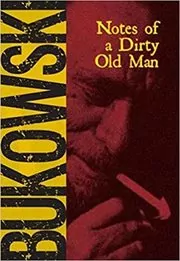
Notes of a Dirty Old Man
by Charles Bukowski
1969
Bukowski's notorious newspaper columns mix autobiography, rant, joke, confession, and low-life observation. It is messy, funny, abrasive, and essential if you want the full Bukowski persona.
The Days Run Away Like Wild Horses Over the Hills
by Charles Bukowski
1969
A breakthrough poetry collection that moves between longing, failure, lust, and the small moments that keep a person going. The lines are blunt, musical, and surprisingly open-hearted.
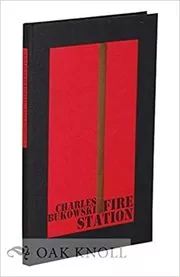
Fire Station
by Charles Bukowski
1970
Another early poetry collection, lean and unsentimental, about working stiffs, drifters, and nights that go nowhere good. Even in these short poems, Bukowski finds humor in defeat.
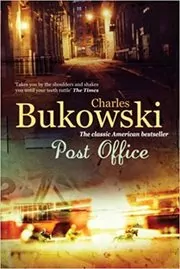
Post Office
by Charles Bukowski
1971
Henry Chinaski takes a job with the postal service and spends years trying to survive the grind, the supervisors, and himself. It turns dead-end work into a fast, filthy, darkly funny novel.
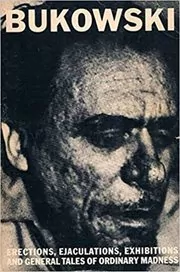
Erections, Ejaculations, Exhibitions, and General Tales of Ordinary Madness
by Charles Bukowski
1972
A wild short story collection about sex, boredom, humiliation, and the absurdity of daily life. Bukowski keeps the prose loose and filthy, but he never loses sight of the loneliness underneath.
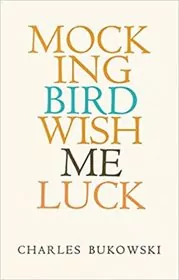
Mockingbird Wish Me Luck
by Charles Bukowski
1972
These poems show Bukowski in a more confident early stride, writing about drink, desire, failure, and the city's lost souls. The tone is hard, but the emotion runs close to the surface.
South of No North
by Charles Bukowski
1973
A sharp, strange story collection about damaged men and women trying to connect in rooms, bars, and bad neighborhoods. The pieces are comic, cruel, and often sad in the same breath.
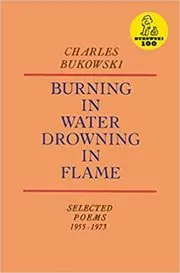
Burning in Water, Drowning in Flame
by Charles Bukowski
1974
This gathering of early poems shows Bukowski building the voice that made him famous. He writes about booze, work, women, and defeat with a mix of bite and battered grace.
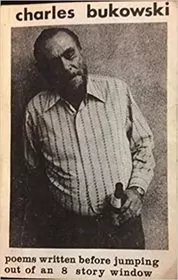
Poems Written Before Jumping Out of an 8 Story Window
by Charles Bukowski
1974
One of Bukowski's early poetry landmarks, full of desperation, black humor, and life on the cheap. The poems hit quickly and leave behind a bruised aftertaste.
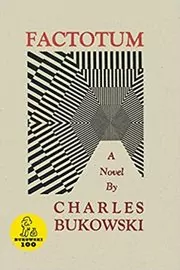
Factotum
by Charles Bukowski
1975
Rejected by the draft and allergic to steady work, Henry Chinaski bounces from one miserable job to the next while trying to drink, write, and stay free. It is episodic, funny, and painfully clear-eyed.
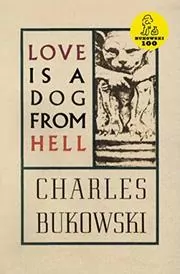
Love Is a Dog from Hell
by Charles Bukowski
1977
These poems circle love, sex, heartbreak, and the wreckage people make of one another. Bukowski's voice is raw and direct, but there is real tenderness under the swagger.
Recommended by
1 person Harry Styles recommended this book
Harry Styles
"I just love the way [this author] uses language. It's so real, gritty, and filthy yet there is something so romantic about it all." - Harry Styles
Harry Styles's recommendation of this book
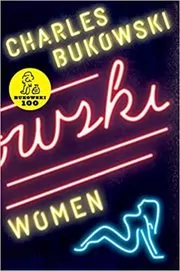
Women
by Charles Bukowski
1978
After literary fame finally arrives, Henry Chinaski stumbles through a string of affairs, fights, and self-inflicted disasters. It is funny, ugly, repetitive on purpose, and surprisingly revealing about loneliness.
Recommended by
1 person Patrick O'Shaughnessy recommended this book
Patrick O'Shaughnessy
"A fictionalized autobiography of [the author], an alcoholic womanizer and fantastic writer." - Patrick O'Shaughnessy
Patrick O'Shaughnessy's recommendation of this book
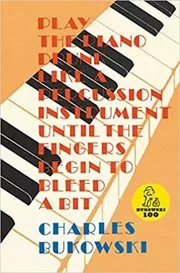
Play the Piano Drunk Like a Percussion Instrument Until the Fingers Begin to Bleed a Bit
by Charles Bukowski
1979
A lively poetry collection about art, luck, lust, and everyday ruin. Bukowski is especially playful here, tossing off jokes and hard truths in the same ragged breath.
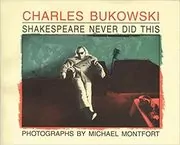
Shakespeare Never Did This
by Charles Bukowski
1979
Part travel memoir and part running monologue, this book follows Bukowski on a European tour of readings, hotels, racetracks, and public attention. He stays funny, suspicious, and gloriously unimpressed.
Dangling in the Tournefortia
by Charles Bukowski
1981
These poems come from Bukowski's later years and dwell on aging, memory, sex, and the strange business of being a public writer. The mood is weary, sharp, and sometimes unexpectedly gentle.
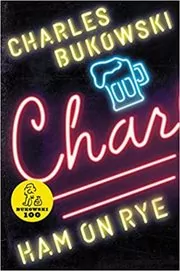
Ham on Rye
by Charles Bukowski
1982
Henry Chinaski grows up poor, bruised, and isolated, dealing with a brutal father, schoolyard cruelty, and his own shame. Bukowski turns that childhood misery into a bleak, funny coming-of-age novel.
Recommended by
1 person- Patrick O'Shaughnessy recommended this book
Patrick O'Shaughnessy
"A coming of age story that rings more true than any other I’ve ever read." - Patrick O'Shaughnessy
Patrick O'Shaughnessy's recommendation of this book
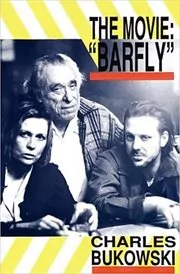
Barfly
by Charles Bukowski
1983
Bukowski's semi-autobiographical screenplay follows Henry Chinaski, a hard-drinking writer drifting through Los Angeles bars, fights, and brief romances. It is lean, sad, and darkly funny.
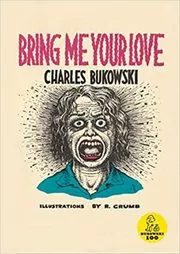
Bring Me Your Love
by Charles Bukowski
1983
A short, disturbing tale about a man visiting his wife in an asylum, made even stranger by Robert Crumb's illustrations. It is grotesque, funny, and over before you can get comfortable.
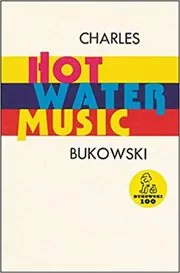
Hot Water Music
by Charles Bukowski
1983
These stories are packed with hustlers, drunks, desperate lovers, and men who keep talking their way into trouble. Bukowski keeps the prose quick, funny, and mean enough to sting.
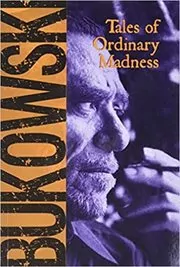
Tales of Ordinary Madness
by Charles Bukowski
1983
This selection gathers some of Bukowski's best-known stories of sex, gambling, failure, and urban absurdity. If you like him as a short story writer, this is a strong place to dive in.
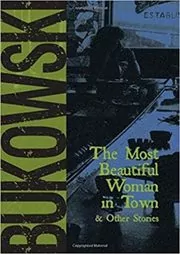
The Most Beautiful Woman in Town
by Charles Bukowski
1983
A story collection about beauty, damage, lust, and people wrecking themselves in slow motion. Bukowski writes with his usual grime and swagger, but the sadness lands hard.
The Bukowski/Purdy Letters
by Charles Bukowski
1984
This decade of correspondence between Bukowski and Al Purdy is full of shop talk, gossip, complaint, and mutual respect. It gives a lively picture of two poets thinking out loud on the page.
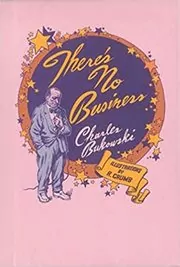
There's No Business
by Charles Bukowski
1984
This short illustrated story follows a washed-up comedian on a downward slide through show business and self-delusion. Bukowski and Robert Crumb make the whole thing grubby, funny, and bleak.
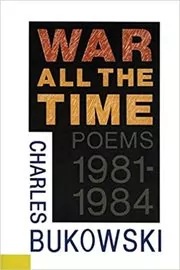
War All the Time
by Charles Bukowski
1984
A late poetry collection that turns from private wreckage to a harsher view of cruelty, decay, and survival. The poems feel world-weary, but they still crackle with defiance.
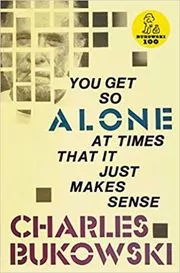
You Get So Alone at Times That it Just Makes Sense
by Charles Bukowski
1986
One of Bukowski's strongest late poetry books, full of loneliness, aging, memory, and hard-won calm. The voice is still rough, but the sadness is deeper and cleaner.
Recommended by
1 person- Harry Styles recommended this book
Harry Styles
Harry Styles read this book on stage.
Harry Styles's recommendation of this book
A Bukowski Sampler
by Charles Bukowski
1988
A slim introduction that pulls together poems and prose in one place. It is a handy snapshot of Bukowski's humor, anger, loneliness, and low-rent Los Angeles world.
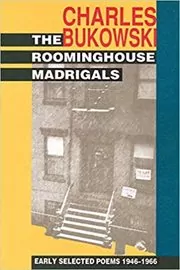
The Roominghouse Madrigals
by Charles Bukowski
1988
A poetry collection steeped in cheap rooms, failed love affairs, city nights, and stubborn endurance. Bukowski keeps the language simple and lets the weariness do the work.
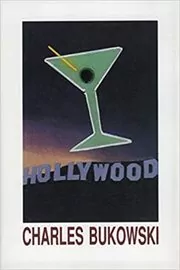
Hollywood
by Charles Bukowski
1989
Henry Chinaski gets dragged into the making of a film based on Bukowski's life and discovers that show business is every bit as absurd as the bars. It is a sour, funny backstage novel.
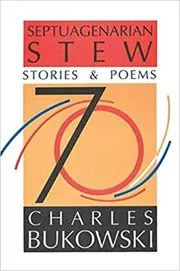
Septuagenarian Stew
by Charles Bukowski
1990
This late collection mixes poems and short prose pieces, with Bukowski looking at old age, memory, lust, horses, and the long road behind him. The tone is loose, cranky, and often very funny.
In the Shadow of the Rose
by Charles Bukowski
1991
A late poetry collection that keeps circling love, routine, mortality, and the odd beauty of surviving another day. The voice is weathered, unsentimental, and direct.
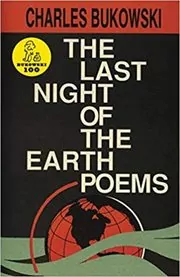
The Last Night of the Earth Poems
by Charles Bukowski
1992
Bukowski writes here with death much closer, and the result is one of his bleakest and best late collections. The poems move through fear, memory, anger, and sudden flashes of hard-earned peace.
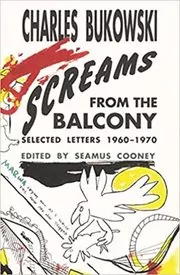
Screams from the Balcony
by Charles Bukowski
1993
These selected letters from 1960 to 1970 catch Bukowski while he is still fighting for money, readers, and time to write. They are funny, ugly, candid, and full of energy.
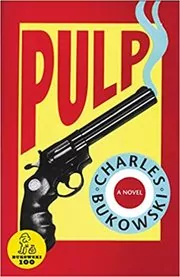
Pulp
by Charles Bukowski
1994
Bukowski's last novel turns into a shabby detective story, with private eye Nicky Belane chasing impossible cases through a surreal Los Angeles. It is a spoof, a farewell, and a book haunted by death.
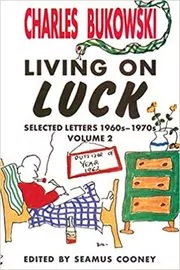
Living On Luck
by Charles Bukowski
1995
This volume gathers letters from the 1960s and 1970s, along with poems and drawings. You see Bukowski's career taking shape in real time, one complaint, joke, and burst of conviction at a time.
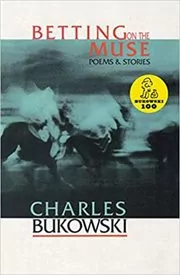
Betting on the Muse
by Charles Bukowski
1996
A mixed collection of poems and stories that brings together Bukowski's favorite ground, horses, hangovers, sex, and the daily grind. It is a loose, enjoyable sampler of his later voice.
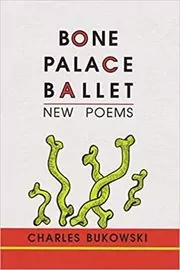
Bone Palace Ballet
by Charles Bukowski
1997
A posthumous poetry collection that stays close to Bukowski's familiar territory, bars, rooms, lust, fatigue, and survival. Even at his grimmest, he keeps finding odd beauty in the wreckage.
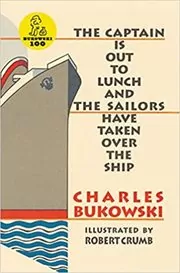
The Captain is Out to Lunch and the Sailors Have Taken Over the Ship
by Charles Bukowski
1998
Drawn from journal entries written in Bukowski's last years, this book watches daily life narrow down to racing forms, music, cats, illness, and thought. It is intimate, funny, and quietly sad.
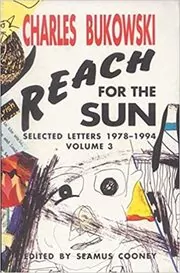
Reach for the Sun
by Charles Bukowski
1999
These selected letters from 1978 to 1994 show an older Bukowski dealing with fame, fans, publishers, illness, and the work itself. The voice is still blunt, but often more generous than people expect.
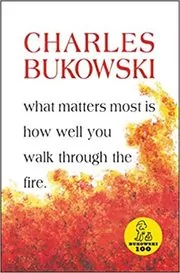
What Matters Most is How Well You Walk Through the Fire
by Charles Bukowski
1999
This selected volume gathers poems from across Bukowski's career and shows how steady his obsessions were, love, failure, work, death, and endurance. It is a strong one-book overview of the poetry.
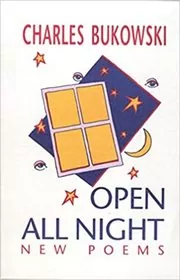
Open All Night
by Charles Bukowski
2000
A posthumous collection of previously unpublished poems, full of horses, women, writing, cancer, and the ache of getting older. The voice is still rough, but the mood is more reflective.
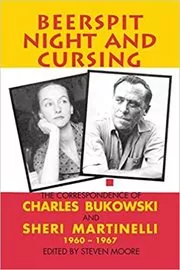
Beerspit Night and Cursing
by Charles Bukowski
2001
This correspondence with Sheri Martinelli shows Bukowski in argumentative, flirtatious, literary form. The letters are messy and often outrageous, but they also reveal how seriously he took writing.
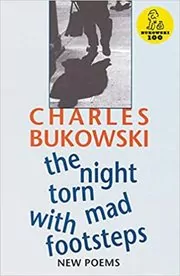
The Night Torn Mad With Footsteps
by Charles Bukowski
2001
A posthumous poetry collection from Bukowski's late years, mixing bitterness, jokes, exhaustion, and sudden flashes of grace. He writes about women, writing, illness, and getting older without ever softening the punch.
Recommended by
1 person Shah Rukh Khan recommended this book
Shah Rukh Khan
"Find it & read it all. [Especially the poem 'Gamblers All']." - Shah Rukh Khan
Shah Rukh Khan's recommendation of this book
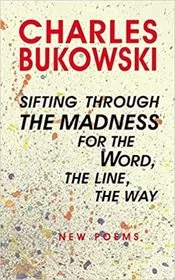
Sifting Through the Madness for the Word, the Line, the Way: New Poems Book 1
by Charles Bukowski
2002
A posthumous selection of previously unpublished poems that returns to Bukowski's core subjects, writing, drink, sex, luck, and survival. It reads like more late-night talk from a voice that never got polished smooth.
Sifting Through the Madness for the Word, the Line, the Way: New Poems Book 2
by Charles Bukowski
2002
A second posthumous volume of previously unpublished poems, still circling luck, sex, writing, failure, and the daily grind. The pieces are quick, conversational, and easy to hear in Bukowski's voice.
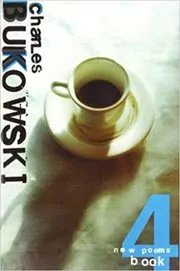
New Poems Book Four
by Charles Bukowski
2003
The fourth New Poems volume keeps working the territory Bukowski knew best, luck, loss, sex, illness, and the strange comedy of carrying on. The poems are brief, direct, and quietly bruising.
New Poems Book One
by Charles Bukowski
2003
This posthumous volume gathers previously unpublished poems on work, failure, women, racing, and the need to keep writing. It offers more of the late Bukowski voice, stripped down, funny, and worn thin.
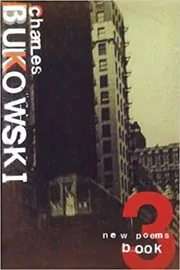
New Poems Book Three
by Charles Bukowski
2003
This volume continues the posthumous New Poems sequence with more short, hard-edged pieces about age, writing, women, and survival. It is spare, restless, and easy to dip into.
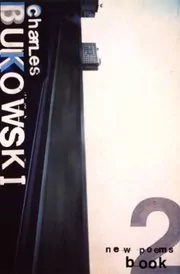
New Poems Book Two
by Charles Bukowski
2003
Another posthumous selection of unpublished poems, moving through memory, desire, boredom, and the comic misery of ordinary life. Bukowski stays blunt and musical, even when the mood turns dark.
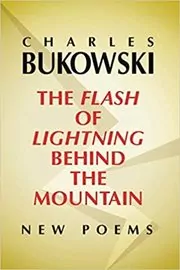
The Flash of Lightning Behind the Mountain
by Charles Bukowski
2003
A posthumous poetry collection with Bukowski looking back at love, pain, ambition, and the long habit of endurance. The poems feel battered, conversational, and oddly luminous.
Selected Letters Volume 1
by Charles Bukowski
2004
These letters from 1958 to 1965 catch Bukowski before wide recognition, grinding through jobs and small-press life while teaching himself how to last. They are raw, restless, and full of stubborn ambition.
Selected Letters Volume 2
by Charles Bukowski
2004
Covering 1965 to 1970, this volume follows Bukowski as his audience grows and the writing life starts to look possible. The letters mix rant, charm, insecurity, and hard practical talk about art.
Selected Letters Volume 3
by Charles Bukowski
2004
This volume spans 1971 to 1986, from the breakout years through middle-age fame. Bukowski writes about books, readings, women, money, and work with the same bluntness he brings to his fiction.
Selected Letters Volume 4
by Charles Bukowski
2005
These letters from 1987 to 1994 show Bukowski late in life, dealing with celebrity, illness, marriage, and the daily business of still being himself. They are prickly, funny, and often moving.
Slouching Toward Nirvana
by Charles Bukowski
2005
A posthumous collection of new poems that leans into old age, memory, failure, and the occasional strange peace. The tone is relaxed, bruised, and more reflective than in the early books.
Come On In!
by Charles Bukowski
2006
A posthumous poetry collection that swings between jokes, grudges, illness, cats, memory, and stubborn gratitude. Bukowski sounds older here, but not tamer.
The People Look Like Flowers At Last
by Charles Bukowski
2007
One of the later posthumous poetry collections, this book pairs Bukowski's rough humor with a more open feeling for mortality and wonder. It is a good reminder that he could still surprise you.
The Pleasures of the Damned
by Charles Bukowski
2007
This large selected volume gathers poems from across Bukowski's whole career. If you want one book that shows the range of his poetry, from skid-row fury to late tenderness, this is a strong pick.
Portions from a Wine-Stained Notebook
by Charles Bukowski
2008
A rich collection of uncollected stories and essays from across several decades. It shows Bukowski not just as the dirty old man, but as a serious reader, thinker, and literary brawler.
The Continual Condition
by Charles Bukowski
2009
This poetry collection brings together later poems on habit, aging, writing, and the absurd theater of daily life. The tone is dry, funny, and stripped to the bone.
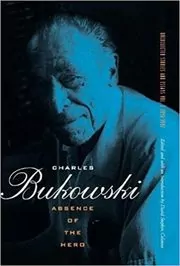
Absence of the Hero
by Charles Bukowski
2010
A second big gathering of uncollected stories and essays, ranging from literary arguments to reading-tour chaos and autobiographical pieces. It broadens the picture of Bukowski without cleaning him up.
More Notes of a Dirty Old Man
by Charles Bukowski
2011
This follow-up to the original Notes collects more of Bukowski's columns and uncollected pieces. Expect booze, politics, sex, literary grumbling, and a lot of hard laughter.
On Cats
by Charles Bukowski
2015
A themed collection of poems and prose about the animals Bukowski admired most. It shows a softer, funnier side of him without losing the rough voice.
On Writing
by Charles Bukowski
2015
Letters and pieces on craft, publishing, editors, and the daily stubbornness of becoming a writer. It is less a tidy manual than a running argument with art, failure, and the business around them.
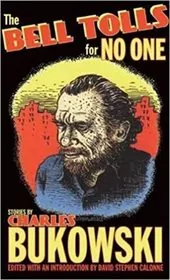
The Bell Tolls for No One
by Charles Bukowski
2015
This collection gathers previously uncollected stories from early experimental pieces to later hard-boiled work. It is a good look at Bukowski's range as a prose writer.
On Love
by Charles Bukowski
2016
This themed gathering pulls together poems and prose about desire, obsession, tenderness, jealousy, and emotional wreckage. It is Bukowski at once more vulnerable and no less blunt.
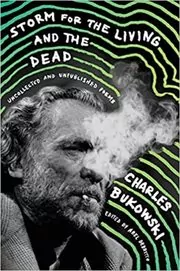
Storm for the Living and the Dead
by Charles Bukowski
2017
A posthumous selection of rare and previously unpublished poems drawn from magazines, archives, and private holdings. It feels like one more deep rummage through Bukowski's unfinished storehouse.
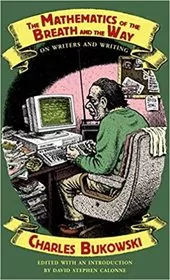
The Mathematics of the Breath and the Way
by Charles Bukowski
2018
A nonfiction collection on writers and writing, built from essays, introductions, columns, and stories. It is one of the clearest places to see how Bukowski thought about literature and craft.
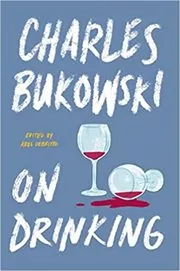
On Drinking
by Charles Bukowski
2019
This themed collection gathers poems, prose, and other pieces about Bukowski's lifelong, destructive bond with alcohol. It is funny, ugly, self-aware, and never romantic for long.
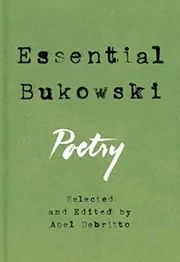
Essential Bukowski
by Charles Bukowski
Edited by Abel Debritto, this poetry collection gathers Bukowski’s observations on love, death, sex, writing, and everyday life. Its selections combine personal vulnerability, humor, and frustration in verse attentive to both ordinary routines and enduring concerns.
Recommended by
1 person Lex Fridman recommended this book
Lex Fridman
"Because I've been doing the startup, I've been suffering so I'm reading a lot of Bukowski." - Lex Fridman
Lex Fridman's recommendation of this book
Where to start with Charles Bukowski
If you want the Chinaski life story: Ham on Rye → Factotum → Post Office → Women → Hollywood
If you want the fastest way in: Post Office → Ham on Rye
If you want poems first: Love Is a Dog from Hell → You Get So Alone at Times That it Just Makes Sense → The Last Night of the Earth Poems
If you want a one-book overview: Run With the Hunted → The Pleasures of the Damned
Charles Bukowski collections, short stories, and related book types
Collections


Play the Piano Drunk Like a Percussion Instrument Until the Fingers Begin to Bleed a Bit
by Charles Bukowski
1979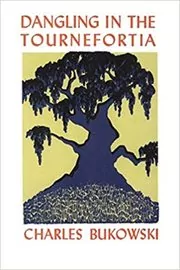
Sifting Through the Madness for the Word, the Line, the Way: New Poems Book 1
by Charles Bukowski
2002
Sifting Through the Madness for the Word, the Line, the Way: New Poems Book 2
by Charles Bukowski
2002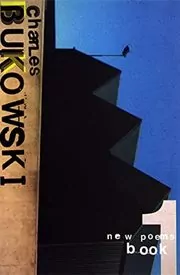
Portions from a Wine-Stained Notebook
by Charles Bukowski
2008Uncollected Stories and Essays, 1944-1990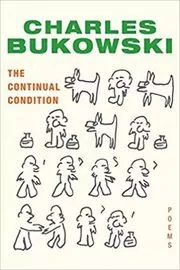
ChapBooks
Non-Fiction


by Charles Bukowski
2001The Correspondence of Charles Bukowski and Sheri Martinelli, 1960-1967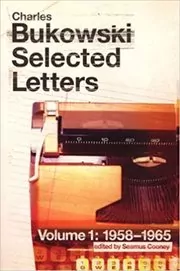
Standalone Charles Bukowski books
Author bio
Charles Bukowski was born in Andernach, Germany, in 1920 and came to the United States as a small child. He grew up in Los Angeles, and that city stayed in his work forever, its rented rooms, bars, racetracks, post offices, and hot sidewalks turned into the main stage of his poems and fiction.
It was a rough beginning.
Bukowski wrote often about an abusive father, a shy childhood, and the acne that made his teenage years miserable. Books and the public library gave him another life to step into. He attended Los Angeles City College from 1939 to 1941, then left school, headed east, and tried to become a writer.
That first try did not go well.
He published a story in the mid-1940s, but years of rejection and odd jobs followed. For a long stretch he drifted, drank heavily, and worked wherever he could, in warehouses, factories, and eventually the post office. After a near-fatal internal hemorrhage in Los Angeles in the mid-1950s, he started writing poetry seriously again, and the voice people now recognize, blunt, funny, bruised, and hard to imitate, really took shape.
In the 1960s he built a following in small magazines and underground papers, especially through his column Notes of a Dirty Old Man. Then John Martin at Black Sparrow offered him enough money to leave the post office and write full time. Bukowski took the deal, and soon Post Office arrived, followed by books like Factotum, Women, Ham on Rye, Hollywood, and later Pulp.
A lot of readers meet him through Henry Chinaski, his thinly disguised alter ego. Chinaski drinks, bets the horses, takes rotten jobs, chases women, gets humiliated, and keeps writing anyway. That mix is the key to Bukowski's appeal: the work can be ugly and funny at once, but it also has real feeling for the defeated, the broke, the lonely, and the people who keep going because stopping would be worse.
His poetry matters just as much. Books like Love Is a Dog from Hell, You Get So Alone at Times That it Just Makes Sense, and The Last Night of the Earth Poems show what he could do in a few plain lines: a joke, a wound, a memory, and then suddenly something tender. He wrote about work, sex, drinking, gambling, music, writing, and getting older, but underneath all that noise was a stubborn search for dignity.
Readers who love Bukowski usually respond to the plain speech. He rarely sounds dressed up. Even when he is being cruel or foolish, and he often is, the sentences move fast and feel spoken, like somebody telling you the truth after last call.
In later life he lived in San Pedro, California, and married Linda Lee in 1985. He kept writing until the end, and he died of leukemia in 1994. The books kept coming after his death, but the core of his work is still the same old fight, how to stay alive, how to stay honest, and how to turn a wrecked day into a line worth keeping.





Edited by
Software engineer whose passion for tracking book recommendations from podcasts inspired the creation of MRB.
Lead investor at 3one4 Capital whose startup expertise and love for books helped shape MRB and its growth.
Comments
Did we miss something? Have feedback?
Help us improve this page by sharing your thoughts