
22 Best Grief Books
The best grief books, ranked by how many expert sources recommend each one, with notes on memoirs, practical support, different losses, and where to start.
Our take
Grief can change concentration, relationships, and the feeling of everyday life. A book may offer company, explain an unfamiliar reaction, or help someone understand what a grieving friend needs. These choices include intimate memoirs, practical guides, research on bereavement, and books devoted to losing a child, sibling, parent, or partner.
The Year of Magical Thinking and A Grief Observed put private experiences into words, while It's OK That You're Not OK challenges the pressure to make grief disappear. The Grieving Brain and The Other Side of Sadness offer explanations for readers who prefer research. For a particular loss, a focused book such as The Orphaned Adult may feel more relevant than a general guide. There is no required order or pace for reading any of them. Start with Devine for direct reassurance, or choose a memoir whose perspective feels close to your own.
22 books · 10 sources · Last updated
As an Amazon Associate, we earn from qualifying purchases (at no extra cost to you).
How to choose from this list
Skip to the full rankingIf you want room to grieve without pressure: It's OK That You're Not OK → Bearing the Unbearable
If you prefer personal accounts: The Year of Magical Thinking → A Grief Observed
If you want to understand the science: The Grieving Brain → The Other Side of Sadness
If your sibling has died: Surviving the Death of a Sibling → The Empty Room
If your parent has died: The Orphaned Adult
If you're facing a sudden death: I Wasn't Ready to Say Goodbye
The 22 books, ranked
Ranked by how many expert sources name each book. Ties go to the book more people recommend.
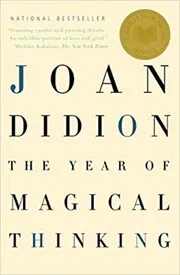
The Year of Magical Thinking
For readers who want a precise account of how bereavement unsettles ordinary thinking. Its restrained voice can make irrational feelings recognizable, though the intimate portrait of marital loss offers companionship rather than practical instructions.
What it's about
A memoir of the year after John Gregory Dunne's sudden death, written while their daughter Quintana lay gravely ill, this book follows Didion's looping, irrational magical thoughts as she tries to understand loss and keep an ordinary life going.
Also recommended by
1 person Harry Styles recommended this book
Harry Styles
Harry Styles was seen purchasing this book.
Harry Styles's recommendation of this book

It's OK That You're Not OK
Meeting Grief and Loss in a Culture That Doesn't Understand
For people exhausted by advice to recover quickly or find a positive side. Its direct validation also helps supporters understand harmful responses, though readers wanting a tightly structured recovery program may find its approach less prescriptive.
What it's about
Megan Devine draws on her experience as a therapist and bereaved partner to examine how people live with grief. Stories, research, and practical exercises address cultural expectations and ways to support someone after a painful loss.
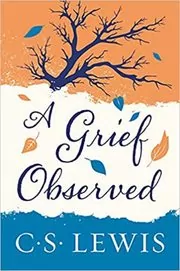
A Grief Observed
For readers wrestling with faith, anger, and doubt after losing a partner. Its short, unguarded reflections leave room for painful questions, though the Christian framework will feel closer to some readers than others.
What it's about
Written after the death of his wife Joy Davidman, this short book collects Lewis’s raw, private reflections on loss. He questions God, traces the swings of doubt and hope, and slowly discovers how bereavement can reshape rather than erase love.

For readers who want their continuing grief acknowledged without pressure to move on. Its short, compassionate chapters suit dipping into, though the accounts of profound loss can be emotionally difficult to sit with.
What it's about
Joanne Cacciatore reflects on grief through fifty two short chapters drawing on personal loss and her work with bereaved people. Stories explore the uneven course of mourning and its connections with love, compassion, and shared humanity.

The Other Side of Sadness
What the New Science of Bereavement Tells Us About Life After Loss
For readers worried that their grief does not follow an expected pattern. Its research challenges rigid assumptions about mourning and resilience, though the population-level perspective may feel less intimate than a personal account.
What it's about
George Bonanno challenges the idea that bereavement follows a fixed sequence of stages. Research, personal accounts, and mourning rituals inform his examination of resilience, varied emotional responses, and the ways people adapt after a loved one's death.
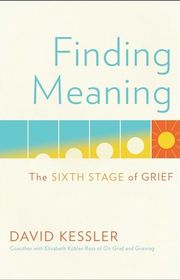
Finding Meaning: The Sixth Stage of Grief
For readers ready to consider how they might carry a loss into the rest of life. Its focus on meaning can offer direction, though the stage framework should not be read as a required sequence.
What it's about
David Kessler draws on his work with bereaved people and the death of his son to explore meaning after loss. Personal stories and reflections consider remembrance, connection, and ways to live while continuing to grieve.

How To Go On Living When Someone You Love Dies
For readers seeking a broad practical guide to the demands of mourning. Its attention to everyday questions and different situations makes it useful for reference, though the substantial coverage can feel overwhelming when concentration is limited.
What it's about
Therese Rando guides readers through the varied experiences of mourning someone they love. Topics include talking to children about death, unfinished business, self care, accepting support, difficult anniversaries, and finding professional help or support groups.

I Wasn't Ready to Say Goodbye
Surviving, Coping and Healing After the Sudden Death of a Loved One
For people facing the shock and practical confusion of an unexpected death. Its attention to sudden loss distinguishes it from broader guides, though the range of situations means some sections will not fit your experience.
What it's about
Brook Noel and Pamela Blair explore the shock and ongoing effects of a loved one's sudden death. Drawing on personal experience, they discuss grief myths, physical and emotional reactions, helping children, and facing holidays and anniversaries.

When Breath Becomes Air
For readers considering mortality, identity, and what makes a life meaningful. Its perspective from a doctor facing terminal illness differs from the bereavement guides, though medical details and approaching death can be emotionally difficult.
What it's about
Near the end of his neurosurgery training, Paul Kalanithi is diagnosed with terminal lung cancer and begins asking what makes a life meaningful. His memoir is clear-eyed, intimate, and deeply humane.
Also recommended by
8 people Bill Gates recommended this book
Bill Gates
"This book left me in tears." - Bill Gates
Bill Gates's recommendation of this book  Melinda Gates recommended this book
Melinda Gates
Melinda Gates recommended this book on Likewise.com.
Melinda Gates's recommendation of this book  Anthony Pompliano recommended this book
Anthony Pompliano
"[One of the] best books I read in 2017." - Anthony Pompliano
Anthony Pompliano's recommendation of this book  Patrick O'Shaughnessy recommended this book
Patrick O'Shaughnessy
"The memoir of a successful neurosurgeon who is diagnosed with lung cancer." - Patrick O'Shaughnessy
Patrick O'Shaughnessy's recommendation of this book  Tim Cook recommended this book
Tim Cook
"Best book on re-examining life and values." - Tim Cook
Tim Cook's recommendation of this book  Peter King recommended this book
Peter King
"One of the best books I've read in years." - Peter King
Peter King's recommendation of this book +2
More recommendations
- Shauna Niequist
Shauna Niequist recommended this book on Twitter.
- James Clear
"[One of] the 10 best nonfiction books of all-time." - James Clear
- Shauna Niequist

H Is for Hawk
For readers who prefer nature writing to direct advice about mourning. Its account of grief through training a goshawk offers a distinctive emotional language, though the intensity and falconry detail may feel demanding.
What it's about
After her father's sudden death, Helen Macdonald turns to training a goshawk named Mabel. Her memoir intertwines grief, falconry, and reflections on T. H. White, exploring the desire to retreat into wildness and the difficulty of returning.
Also recommended by
1 person Barack Obama recommended this book
Barack Obama
Barack Obama's "2016 Summer Reading List."
Barack Obama's recommendation of this book

For readers who connect with frank personal storytelling after a partner’s death. Its humor and unconventional responses make space for messy experience, though it is an individual memoir rather than a general guide to mourning.
What it's about
Widowed at thirty four, Tre Miller Rodriguez begins traveling with her husband's ashes as she struggles with grief in New York. Her memoir connects those journeys with earlier family losses, motherhood, and the daughter she placed for adoption.

Surviving the Death of a Sibling
Living Through Grief When an Adult Brother or Sister Dies
For adults whose sibling grief feels overlooked beside other family members’ losses. Its personal perspective and practical suggestions make room for that particular bond, though readers wanting a research-focused account may prefer The Empty Room.
What it's about
T. J. Wray draws on her brother's death and other people's accounts to explore adult sibling grief. Practical discussions address finding meaning, keeping a journal, choosing someone for support, and responding to insensitive remarks.

For readers who want sibling loss taken seriously through interviews and personal experience. Its wider exploration of an overlooked relationship complements practical guides, though it asks for more sustained attention than a short collection of suggestions.
What it's about
Elizabeth DeVita-Raeburn combines memories of her brother's illness and death with interviews with more than two hundred surviving siblings. She examines the sibling bond and the often overlooked guilt, anger, isolation, and lasting changes that accompany its loss.
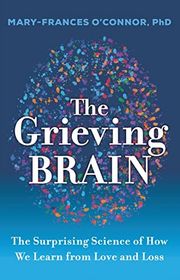
The Grieving Brain: The Surprising Science of How We Learn from Love and Loss
For readers who feel steadier when they understand why grief disrupts thinking and expectations. Its neuroscience offers an explanatory companion to memoirs, though scientific accounts cannot tell an individual how long mourning will take.
What it's about
Mary-Frances O'Connor explains how the brain responds to the permanent absence of someone loved. Drawing on neuroscience and psychology, she explores why grieving involves learning and how attachment, memory, and expectations shape the experience of loss.

The Orphaned Adult
Understanding And Coping With Grief And Change After The Death Of Our Parents
For adults unsettled by the identity changes that follow a parent’s death. Its attention to family roles and mortality goes beyond immediate coping, though readers seeking a daily practical program may prefer a shorter guide.
What it's about
Alexander Levy explores the grief and disorientation adults experience after their parents die. He considers changes in identity and family roles, renewed feelings of childhood sorrow, and the encounter with one's own mortality.

For readers drawn to travel memoirs that stay close to the disorientation of sudden partner loss. Its encounters offer a broader setting for mourning, though detailed memories of the death may be difficult to read.
What it's about
After her fiance dies from a jellyfish sting in Thailand, marine biologist Shannon Leone Fowler sets out on solo travels. Her memoir intertwines memories of their journeys together with encounters in places marked by their own histories of loss.

For readers drawn to a Buddhist approach to living with pain and uncertainty. Its contemplative perspective extends beyond bereavement, though it provides less help with the practical demands of a specific death.
What it's about
Pema Chödrön draws on Buddhist wisdom to explore living with fear, anxiety, and pain. She suggests approaching difficult experience with openness, offering practices aimed at changing habitual responses to suffering and developing compassion for oneself and others.
Also recommended by
5 people Krista Tippett recommended this book
Krista Tippett
"Kind of a sacred text that I carry around with me at all times because things are always falling apart." - Krista Tippett
Krista Tippett's recommendation of this book  Tara Brach recommended this book
Tara Brach
"Wonderful." - Tara Brach
Tara Brach's recommendation of this book  Jerry Colonna recommended this book
Jerry Colonna
"The first laying out of Buddhist dharma as a path." - Jerry Colonna
Jerry Colonna's recommendation of this book  Liz Lambert recommended this book
Liz Lambert
"Has been important to me, and I’ve given to people in my life because it had an impact on me." - Liz Lambert
Liz Lambert's recommendation of this book  Matt Haig recommended this book
Matt Haig
"A gift for anyone going through a rocky tim." - Matt Haig
Matt Haig's recommendation of this book

For readers who want personal bereavement linked with ideas about resilience and supporting others. The accessible research gives it a practical direction, though its emphasis on rebuilding may feel premature during acute grief.
What it's about
Sheryl Sandberg and Adam Grant combine her experience of bereavement with research on resilience. They explore coping with adversity, supporting people in crisis, and rebuilding meaning and joy after loss and other major setbacks.
Also recommended by
2 people Tim Urban recommended this book
Tim Urban
"A powerful book about a life skill we all need: resilience." - Tim Urban
Tim Urban's recommendation of this book  Katie Couric recommended this book
Katie Couric
"I felt it was really brave of [the author] to write." - Katie Couric
Katie Couric's recommendation of this book

For parents who want to hear from other mothers after a child’s death. Its shared voices can make isolated feelings recognizable, though the focus on young adult children will not match every bereaved parent’s circumstances.
What it's about
Nine mothers share experiences of losing young adult children, addressing the first year of grief and the years that follow. Their accounts explore changing relationships, holidays, coping, and the experiences of fathers and surviving siblings.

Healing the Adult Sibling's Grieving Heart
100 Practical Ideas After Your Brother or Sister Dies
For adults who need manageable actions after losing a brother or sister. Its brief, practical format is easier to dip into than a sustained memoir, though individual suggestions may not suit your relationship or circumstances.
What it's about
Alan Wolfelt offers one hundred practical ideas for adults grieving the death of a brother or sister. Short explanations and actions explore grief and mourning, whether the death was sudden or anticipated and regardless of the sibling's age.

For readers who want many candid voices rather than one model of mourning. Its mix of humor and difficult experience makes grief socially recognizable, though an essay collection cannot explore every situation in depth.
What it's about
Rebecca Soffer and Gabrielle Birkner gather candid personal essays about grief from more than forty contributors. The collection explores intimacy, technology, secrets, and the awkward conversations surrounding loss, bringing humor alongside accounts of enduring sorrow.

For bereaved readers and supporters who struggle to explain what care is needed. Its direct focus on understanding and communication helps with everyday interactions, though it is less detailed about particular kinds of loss.
What it's about
Gary Roe explores the inner experience of grief for bereaved readers and the people supporting them. His practical guide considers how to understand a grieving person's needs and offer care through difficult conversations and everyday situations.
Sources
- 1
The Best Books I've Read To Help With Grief And Loss
floratheexplorer.com
- 2
The 16 Best Books About Dealing With Grief, According to Psychologists
nymag.com
- 3
26 Best Books on Grief
choosingtherapy.com
- 4
Reading List for Grieving Families
montgomeryhospice.org
- 5
Grief Books
goodreads.com
- 6
Best Books on Grief
rebeccarabinpsyd.com
- 7
9 Books for Dealing With Grief and Loss
livehappy.com
- 8
Book recommendations
reddit.com
- 9
What Books have helped you process Grief?
reddit.com
- 10
Grief Books
copefoundation.org





Edited by
Software engineer whose passion for tracking book recommendations from podcasts inspired the creation of MRB.
Lead investor at 3one4 Capital whose startup expertise and love for books helped shape MRB and its growth.
Comments
Did we miss something? Have feedback?
Help us improve this page by sharing your thoughts